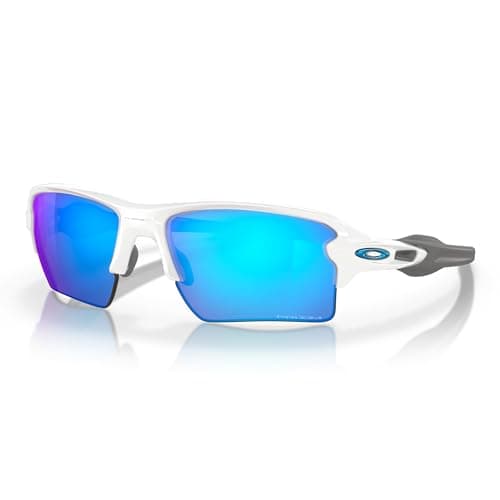
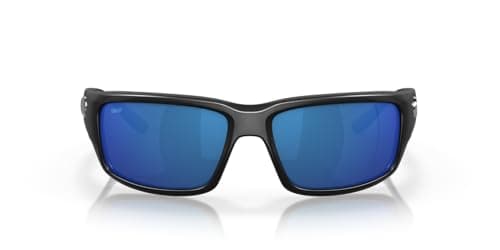
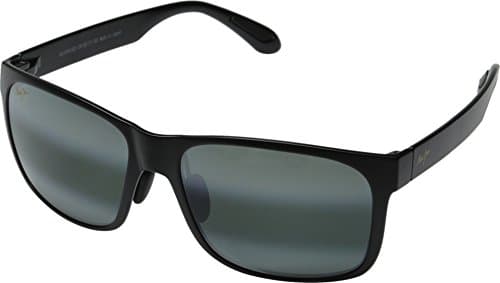
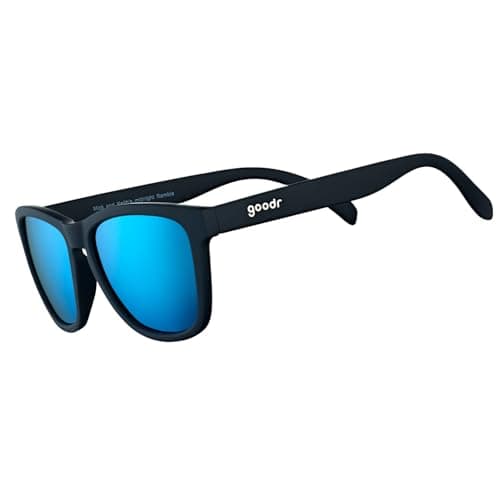
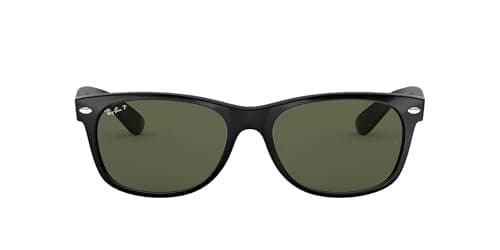
If you want one pair of men's sunglasses that does everything competently, buy the Ray-Ban New Wayfarer in the polarized version — an icon shape, genuine glare control for driving, and a look that works everywhere. But "best for men" depends entirely on what you are doing, so we have ranked this list by use rather than pretending one frame wins them all.
"Best sunglasses for men" is the most-searched sunglasses query there is, and it is also the vaguest — because the right pair for a golf round is not the right pair for a fishing trip, and neither is the right pair for the drive to the office. So instead of forcing one winner, we have ordered this list around the jobs men actually buy sunglasses for: an everyday-and-driving pair, a sport pair, a water pair, a premium pair, and a value pair you will not cry over losing. Find your use and the pick is obvious.
Face shape decides fit more than any spec
Before the brand, get the fit right. The rough rule: angular frames (Wayfarer, rectangular shapes) balance a rounder face, while rounder or softer frames balance a square or angular jaw. Wider faces need wider frames — a pair that pinches at the temples or leaves marks is too small, no matter how good the lens is. A pair that slides down constantly is too big or too smooth in the nose. This matters more for everyday satisfaction than any optical spec on the box.
After fit, the two things that actually matter are the same for men as for anyone: UV400 protection, which every pair here has and which The Vision Council will tell you is the real job of sunglasses, and whether you want polarized, which cuts glare off roads and water but dims phone and dashboard screens. For driving and water, polarized is worth it; for a golf green or a bike computer, it can work against you (see our polarized vs non-polarized guide).
On price: the honest reality is that a $30 polarized pair protects your eyes exactly as well as a $250 one. What the premium buys is optical polish, contrast tuning for specific sports, and a frame that lasts a decade. If you are hard on your sunglasses — and most men are — a couple of good budget pairs matched to your uses often beats one expensive pair you are terrified to lose.
How to choose a men's pair
Pick by use, not by "best"
Everyday and driving want a versatile polarized frame; sport wants grip and coverage; water wants a contrast fishing lens; the office wants an icon shape. Match the pair to the job and the choice is easy.
Fit before brand
Angular frames suit rounder faces, softer frames suit angular ones, and wider faces need wider frames. A pair that pinches or slides is the wrong size regardless of the lens quality.
Decide on polarized
Yes for driving and water; think twice for golf greens and bike computers, where it can hurt. Every pair here is UV400 either way.
Consider two budget pairs over one premium
If you lose or abuse sunglasses, two good sub-$40 pairs matched to your uses often beats one expensive pair you are afraid to wear.
How we picked
We don't run a testing lab
We compile each pair's published specifications — lens material, polarization, coating, frame material, coverage, UV rating and price — normalize them, and score each against a published rubric. The scores are judgments from documented research; they are notmeasurements we took, because we don't own a lab and we're not going to pretend we do. Pairs we claim to have lab-tested: 0.