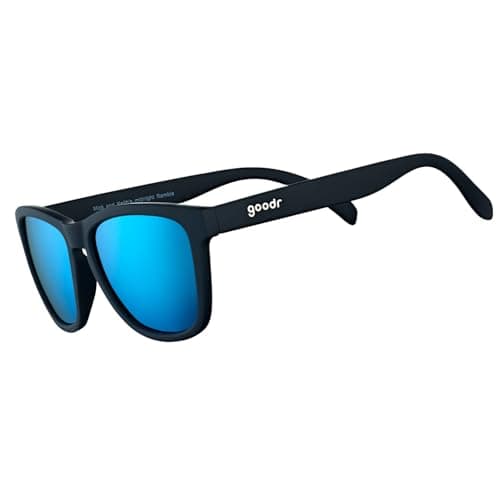
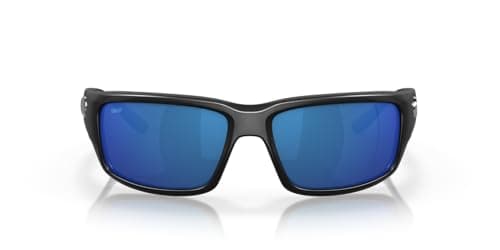
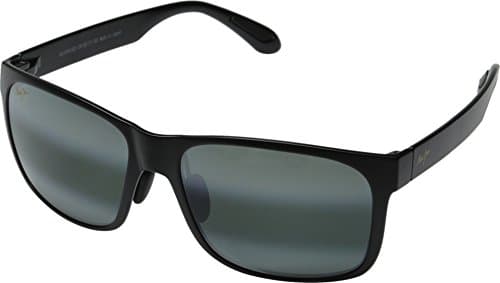
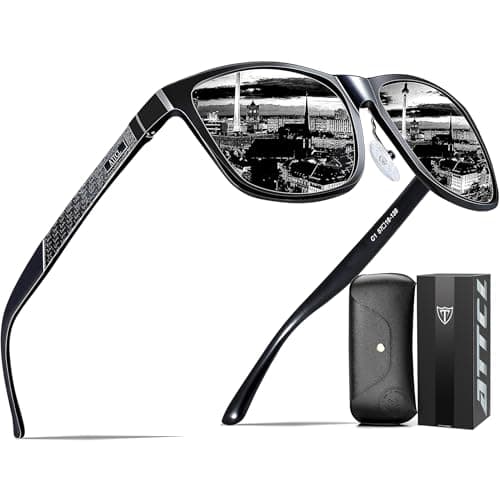
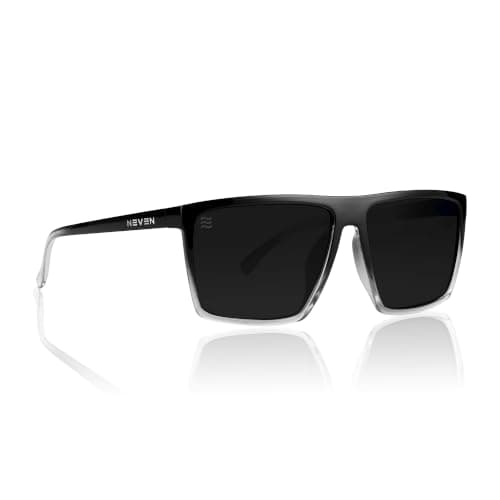
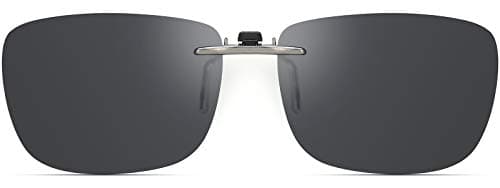
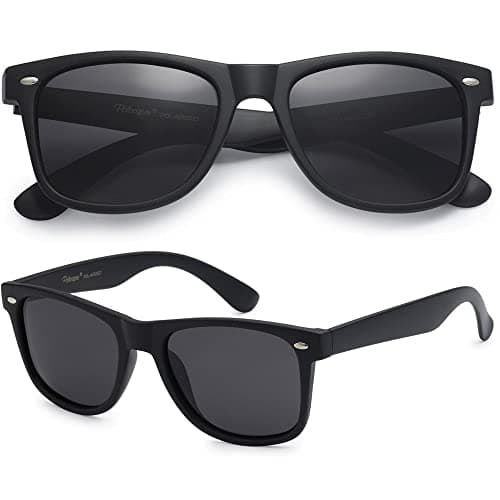
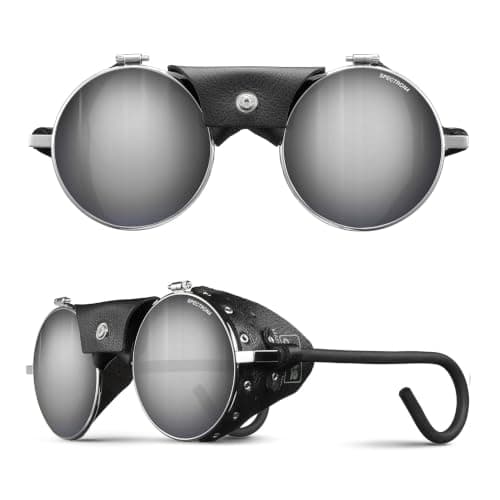
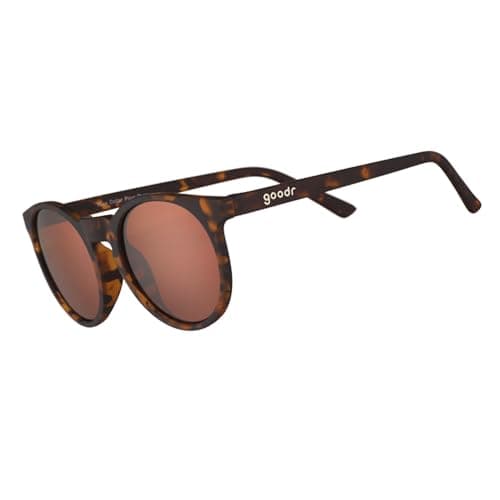
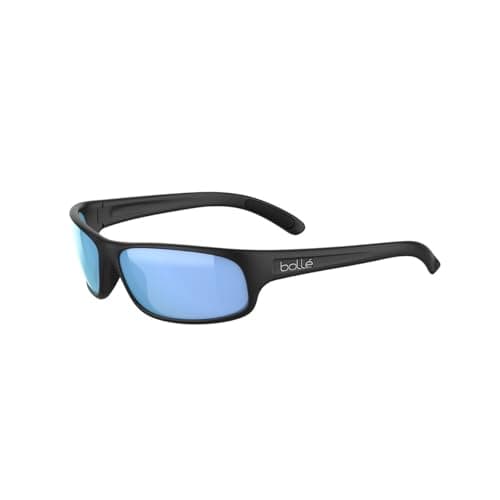
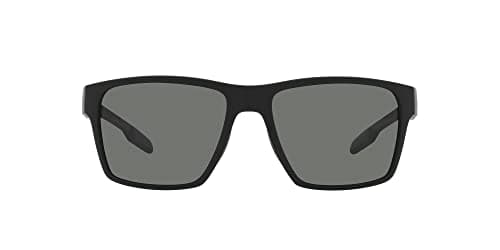
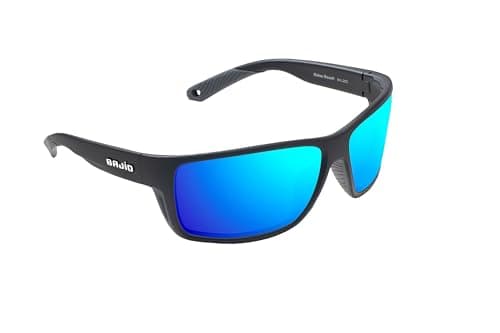
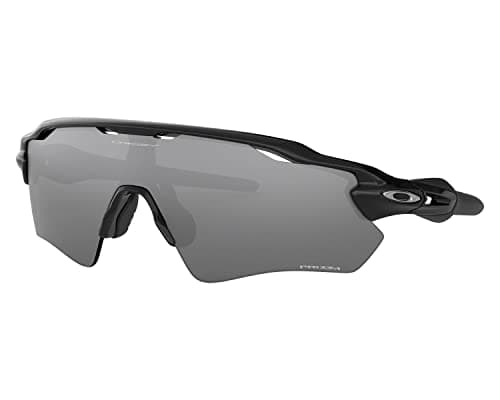
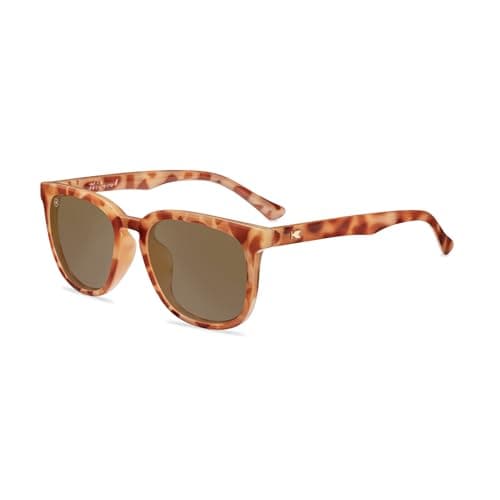
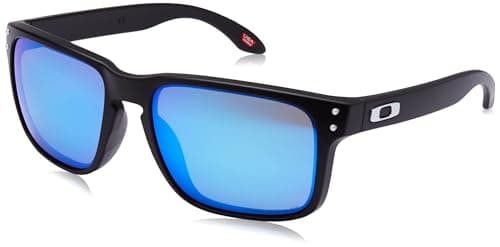
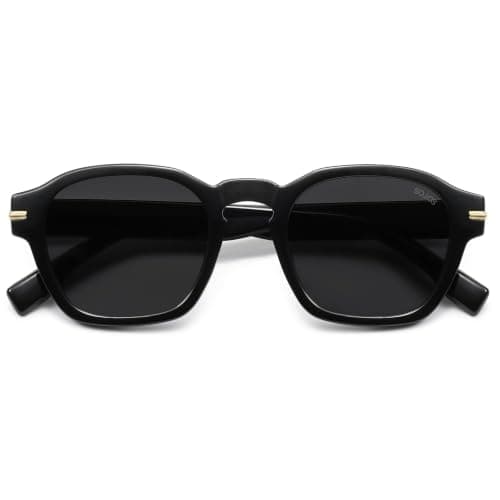
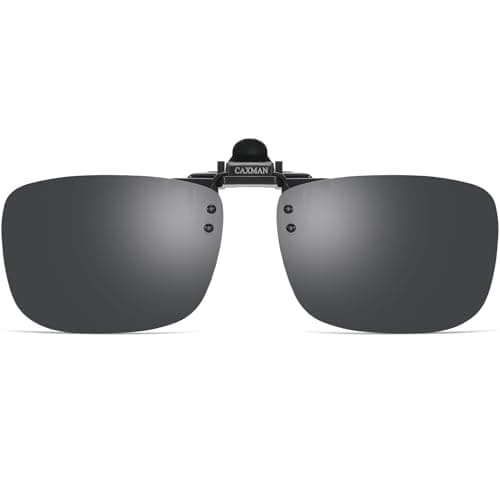
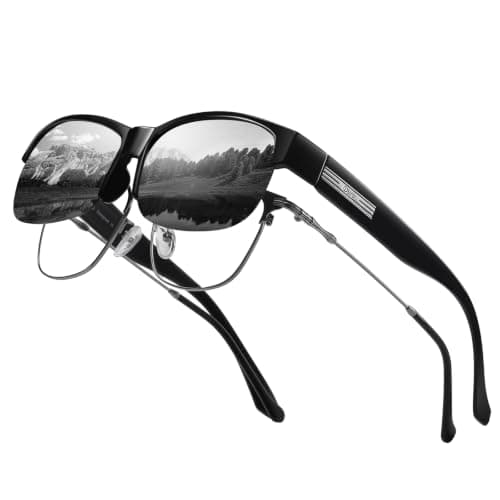
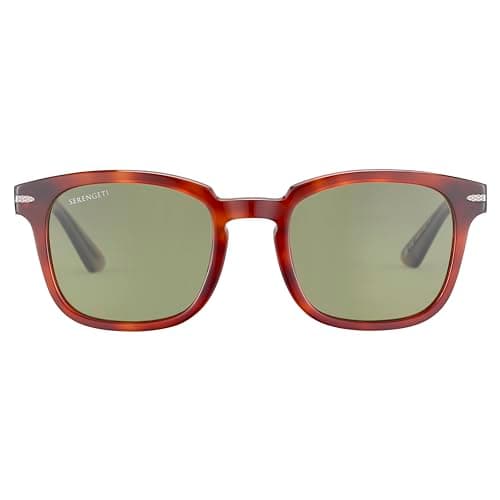
If you want the best polarized lens made and price is not the deciding factor, buy the Maui Jim Red Sands. If you want 90% of that glare control for a fifth of the money, buy the goodr OG and put the difference toward something else. That sentence is the whole roundup. Everything below is us showing our work.
A polarized lens is not a darker lens — it is a filter. Light reflecting off a flat surface like water, a wet road or a painted hood comes back to your eyes horizontally aligned, which is what glare is. A polarizing filter is a microscopic grid that blocks that horizontal light while letting the rest through. The result is not just "dimmer" — it is a scene with the reflected haze removed, so you can see into the water instead of at it, and see the road instead of the shine on it. The Cleveland Clinic has a plain-English version of the physics if you want it.
That single property is why polarized lenses are worth buying for driving, fishing, boating, the beachand anything near water — and why they are the wrong choice in three specific situations that the brands selling them rarely mention. Polarized lenses dim LCD and phone screens, which is a real nuisance at a gas pump or reading a boat's chartplotter, and a genuine problem for a cyclist trying to read a Garmin. They can also hide the sheen of black ice, which is exactly the cue a skier or a winter driver needs. And they can mask the subtle slope reflections a golfer reads on a green. If any of those is your main use, read our polarized vs non-polarized guide before you spend.
How much does a polarized lens actually need to cost?
Here is the uncomfortable truth for the premium brands: the fundamental job — blocking horizontal glare — is done competently by a $25 polarized lens and a $250 one alike. What the money buys above the floor is optical clarity at the edges of the lens, contrast tuning that genuinely lifts fish and structure out of the water (Costa's 580 and Maui Jim's PolarizedPlus2 are the real deal here, not marketing), scratch resistance, and a frame that survives a decade. Those things matter enormously if you are on the water every weekend and matter almost not at all if you drive to work and back.
So we rank two ways at once. The score you see on each pick is our spec-and-research judgment (glare control, optics, fit and coverage, durability, value), computed the same way for every pair — the method is on our how we ratepage. But the order is weighted for the polarized buyer specifically: a pair that nails glare and optics ranks above a cheaper pair even when the cheaper pair's value score is higher, because glare control is the entire point of the category. When the cheap pair is the smarter buy for most people, we say so loudly — the goodr sits at number two here precisely because it is the answer for most readers even though it does not have the best lens.
Two things every pair on this list has, non-negotiable: genuine polarization (not a tint sold as polarized) and UV400 protection, which blocks essentially all UVA and UVB. UV protection is unrelated to polarization and unrelated to price — a $15 pair and a $250 pair both hit UV400, and The Vision Council will tell you it is the single most important thing a pair of sunglasses does for your eyes. Everything else on this page is preference and budget.
How to choose, in five decisions
1. Confirm you actually want polarized
For driving, water and general glare: yes. If your main use is cycling with a bike computer, golf green-reading, or winter/ski conditions, a non-polarized contrast lens is often the better tool — see the caveats above and our full comparison.
2. Set the budget honestly
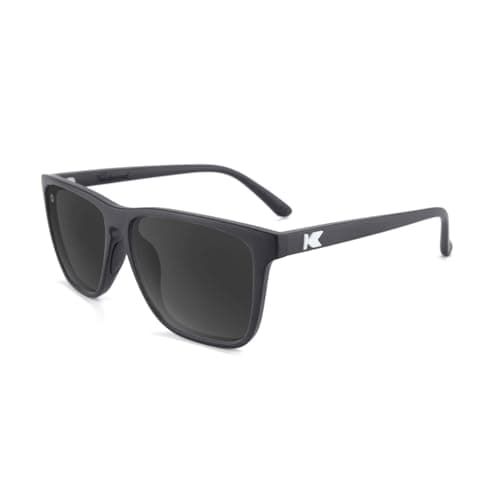
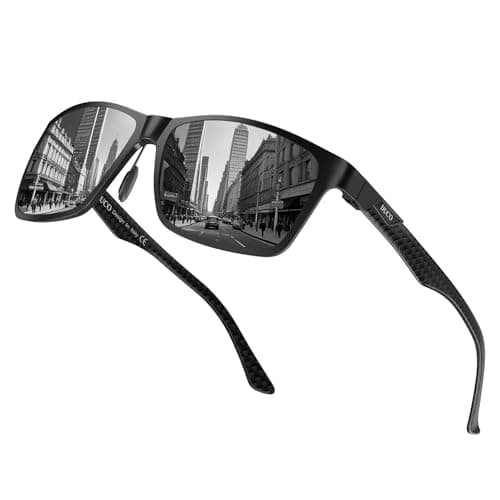
Under $40 buys a genuinely good polarized pair (goodr, Knockaround, Duco). $200-plus buys the best lens made and a frame you keep for years (Maui Jim, Costa). There is a real gap in the middle that mostly is not worth paying for unless you are on the water constantly.
3. Match the shape to the use
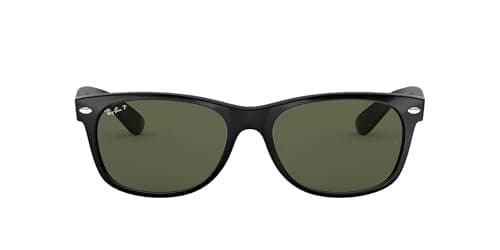
A flat lifestyle lens (Wayfarer, Red Sands) is for driving and everyday. A wrap seals out side light for sport and water. Buying a lifestyle frame for a run, or a wrap for the office, is the most common mismatch we see.
4. Check the lens material
Polycarbonate and nylon lenses are lighter and more impact-resistant; glass is optically the clearest and most scratch-resistant but heavier and pricier. Neither is "better" — they are a weight-versus-clarity trade you get to make.
5. Ignore the DPI-style spec theater
Once a lens is genuinely polarized and UV400, most of the remaining spec sheet is marketing. Spend on the lens tech that measurably helps your use (contrast lenses for fishing) and skip the rest.