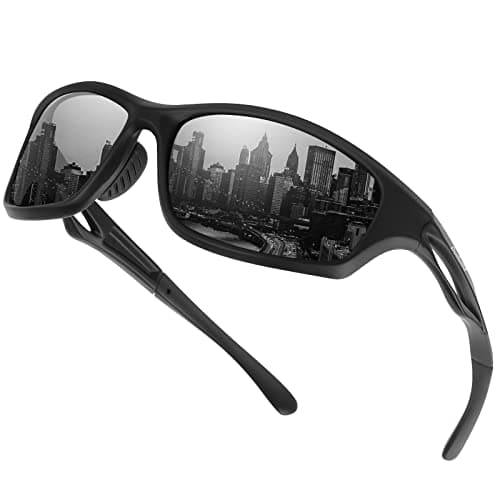
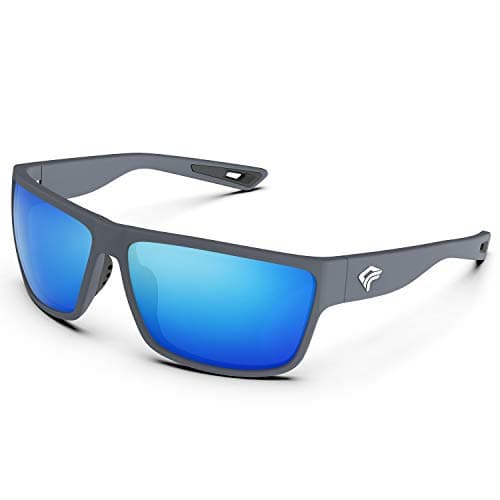
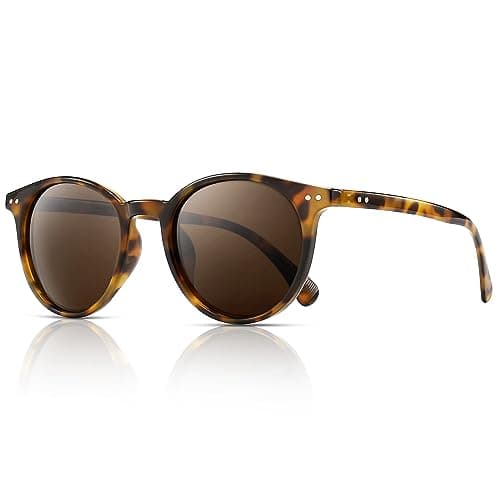
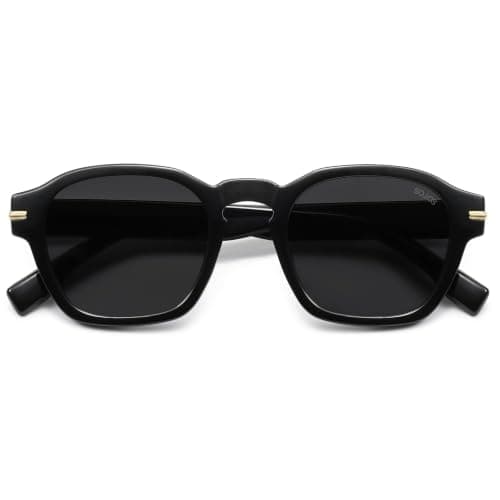
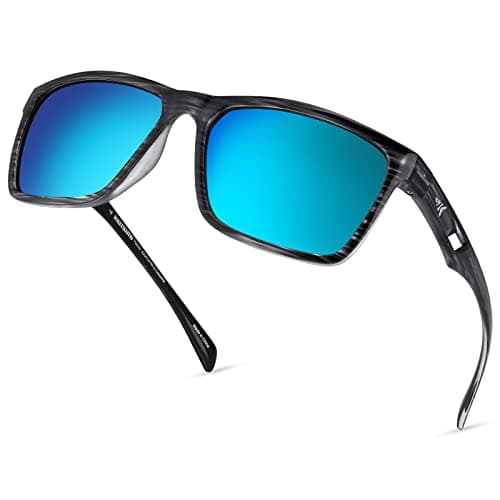
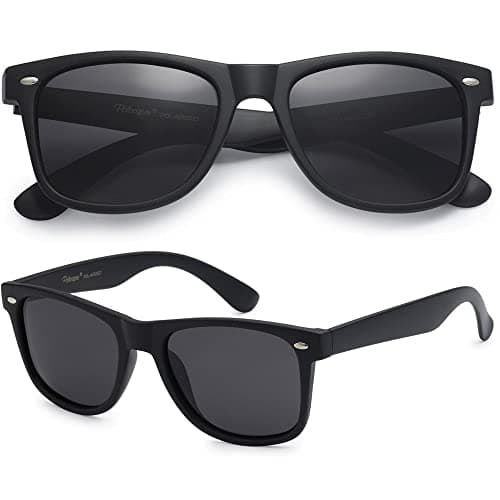
A genuinely polarized, UV400 pair of sunglasses now costs about as much as two coffees, and the gap between that pair and a $250 one is smaller than the price suggests. What you give up at the bottom of the market is coating life, edge-of-lens clarity and fit refinement — not polarization, and definitely not UV protection.
This is the page we would point almost anyone at first. Sunglasses are a category where the floor rose enormously over the last decade: the cheap pairs used to be a dark tint in a brittle frame, and now they are a real polarizing film, UV400, and a nylon frame that survives being sat on. The premium brands still make better products — genuinely, measurably better — but the difference is refinement rather than function, and if you lose sunglasses or wear them hard, the cheap end is not a compromise. It is a strategy.
What you actually get for under $30
Real polarization.A polarizing film that cancels the horizontally aligned light reflecting off water, wet roads and painted metal. This is not a watered-down version of what an expensive lens does — the physics is the same filter, and the glare goes away. The Cleveland Clinic explains the mechanism.
Full UV protection.Every pick here is UV400, which blocks essentially all UVA and UVB — the standard the American Optometric Association recommends. This is the single most important thing sunglasses do for your eyes, it is unrelated to price, and it is where the "cheap sunglasses damage your eyes" myth comes from. The myth is half true: a dark tint without UV protection is worse than nothing, because it opens your pupils and lets UV in. A cheap lens that is properly UV400 is completely fine.
A frame that survives. TR90 and similar nylon frames flex instead of snapping, which is why the budget sport wraps outlive far more expensive acetate frames in a bag.
What you give up
Coating durability.This is the big one. Budget lens coatings scratch sooner, and the mirror and hydrophobic layers wear faster. Plan on a season or two of hard use rather than a decade — and keep the pouch, which genuinely doubles the life. Our cleaning guide matters more at this price than at any other.
Edge-of-lens clarity.Cheap lenses are optically fine in the center and smear slightly toward the outer edges. Sitting on a beach, you will never notice. Descending a hill at 50 km/h on a bike, you might.
Contrast tuning. No budget lens does what Costa's 580 or Oakley's Prizm does — filtering specific wavelengths to lift a fish out of water or a break out of a fairway. If that is your use, the premium is real, and we say so in the fishing and golf roundups.
Fit options. One size, no adjustable nose pads, no low-bridge variants. If your face is at either extreme of the size range, this is the thing most likely to send a cheap pair back.
How to tell if a cheap pair is genuinely polarized
Do not trust the listing. Test it, in two seconds, once it arrives:
- The LCD test. Look at a phone or laptop screen through one lens and rotate the glasses 90 degrees. A polarized lens will darken the screen dramatically, often to black, at one orientation. A plain tint will not change at all.
- The two-lens test. Hold a second pair of known-polarized sunglasses in front of the first and rotate one 90 degrees. Where the lenses cross, polarized lenses go almost opaque.
- The reflection test. Look at glare off a car hood or a puddle, put the glasses on, and tilt your head side to side. Polarized lenses make the glare fade and return as you tilt.
We walk through all three with more detail in how to tell if sunglasses are polarized. If a pair fails these tests, return it — a lens sold as polarized that is not is a straightforward misdescription.
The two-pair strategy
Here is the argument we would make to almost anyone about to spend $200 on their first serious pair. At these prices you can buy a polarized wrap for sport and a polarized lifestyle frame for everything else, keep one in the car, and still spend less than a fifth of what one premium pair costs. You will have the right shape for the right job, which matters more day to day than lens refinement does, and losing one will not ruin your week. Then, once you know which of the two you reach for constantly, spend real money on that one. That sequencing is how we would buy sunglasses if we were starting from zero, and the full price ladder is in are expensive sunglasses worth it.
Buying at the cheap end without regret
1. Insist on both specs
Polarized and UV400. Some cheap pairs are one without the other, and a dark tint without UV protection is genuinely worse than no sunglasses.
2. Test on arrival
The LCD-screen test takes two seconds and catches a mislabeled lens immediately. Return anything that fails.
3. Match the shape to the job
A wrap for sport and water, a flat lifestyle frame for everyday and driving. At this price you can afford both, and shape mismatch is the most common source of disappointment.
4. Keep the pouch
Coating life is the main compromise at this price, and storing the pair properly is the single thing that extends it most.
Two places this argument goes next
If you want the same reasoning applied to a specific use case rather than to everyday wear, best budget fishing sunglasses ranks the under-$50 field for water, where coverage and tint matter more than they do on a street. And if what you actually want to know is what the expensive pair would have added, Knockaround vs Ray-Ban puts a budget lens directly against an icon and lists the differences that are real.
More on the budget brands above
Two of these names come up repeatedly and deserve a proper look rather than a line in a table. Our PolarSpex sunglasses review covers the cheapest genuinely polarized brand we rank, and our SUNGAIT sunglasses review covers the vintage-shape budget brand that keeps turning up in everyday picks.