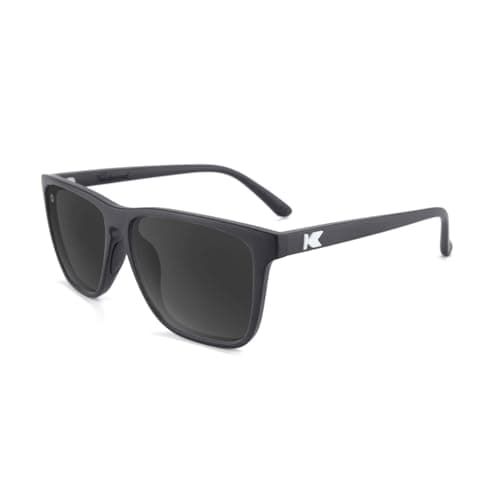
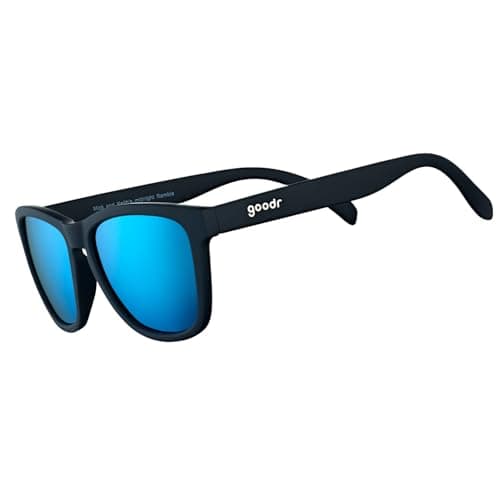
Buy the goodr OG. It is polarized, it grips your face so it does not bounce or slide when you sweat, and it costs so little that losing a pair is a shrug. For running specifically, that combination is the whole game, and nothing here beats it on value.
Running sunglasses are the category where the expensive spec sheet matters least and the cheap, unglamorous stuff matters most. Optical perfection is wasted on a lens that is bouncing a centimeter with every stride. What actually ruins a run is a pair that slides down your nose so you spend the back half pushing it up, or one heavy enough that you feel it on your temples by mile ten. So we rank running sunglasses on grip and weight first, and optics a distant third.
Grip is the whole thing
The reason goodr became a running default is not marketing — it is a genuinely effective grip coating on the arms and nose that tacks up as you sweat. Tifosi and Oakley do the same trick with hydrophilic rubber pads that grip harder when wet. A standard fashion frame, however nice, has smooth plastic arms that get slicker as you heat up, which is exactly backwards. If a pair does not have some form of sweat-activated grip, it does not belong on a run.
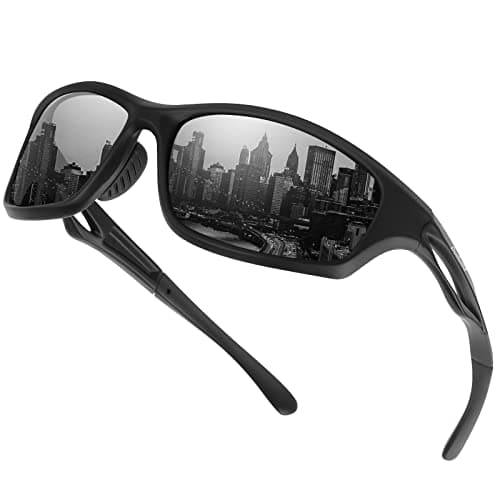
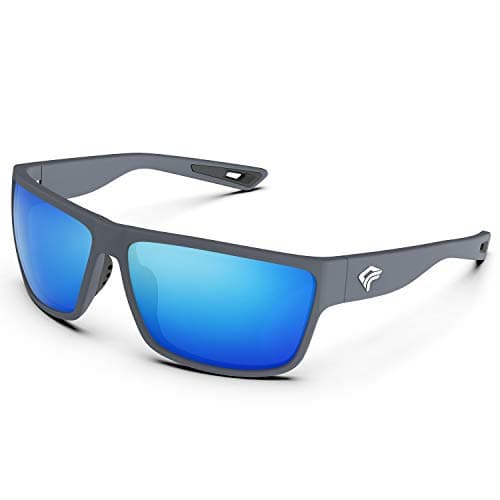
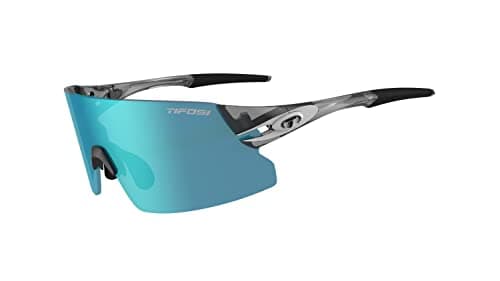
Weight is the second decision, and it is simple: lighter is better, and every pair here is light enough that the differences are small. A wrap gives you more coverage from side light and wind, which matters on an exposed trail or a bright track; a lifestyle-ish frame like goodr is lighter and less sporty-looking, which matters if the same pair does double duty off the run. Neither is wrong.
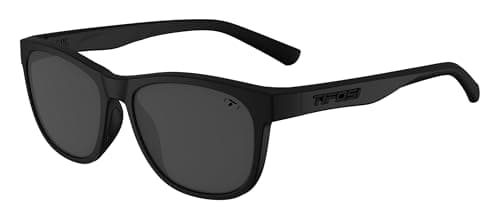
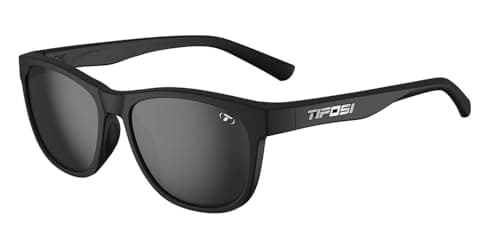
Polarized or not is a real question for runners, and the answer is "usually yes, sometimes no." Polarized cuts glare off wet roads and bright pavement, which is pleasant. But if you run trails with dappled light and technical footing, some runners find polarized lenses flatten the depth cues that help them read the ground, and a plain contrast tint is easier. Most road runners are happier polarized, and the frames that genuinely are polarized are ranked in best polarized running sunglasses. Our one non-polarized pick here, the Tifosi Swank, is on the list precisely because its light tinted lens suits runners who do not want the polarized trade-offs.
The last thing worth knowing: you do not need to spend much. Every pair on this list is under the price of a decent pair of running socks-times-ten, and the most expensive thing about running sunglasses is losing them, which everyone eventually does. Buy grip and UV400, keep the budget low, and do not agonize over it.
How to choose a running pair
Grip first, always
Look for a sweat-activated grip coating or rubber pads on the nose and arms. Smooth plastic arms get slicker as you heat up — the opposite of what you want. This single feature decides more than anything else.
Keep it light
Everything here is light; go lighter if you feel frames on your temples. Weight you can ignore at the store you will notice at mile ten.
Polarized for roads, consider a plain tint for technical trails
Polarized cuts wet-road and pavement glare and suits most road runners. On dappled, technical trails some runners prefer a non-polarized contrast tint for clearer depth cues underfoot.
Spend little
You will lose or sit on a pair eventually. Buy grip and UV400 at a price that makes replacement a non-event, and save the premium spend for a category where optics matter more.