The brand in one paragraph
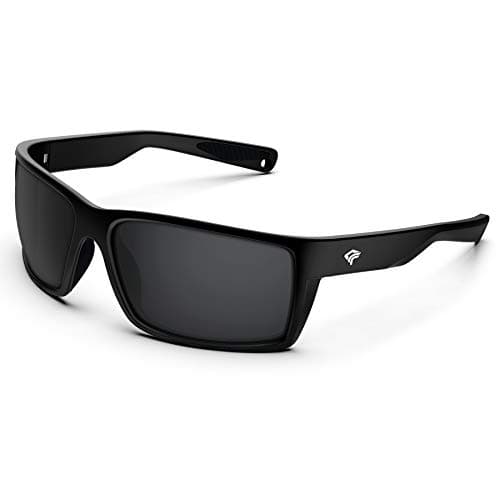
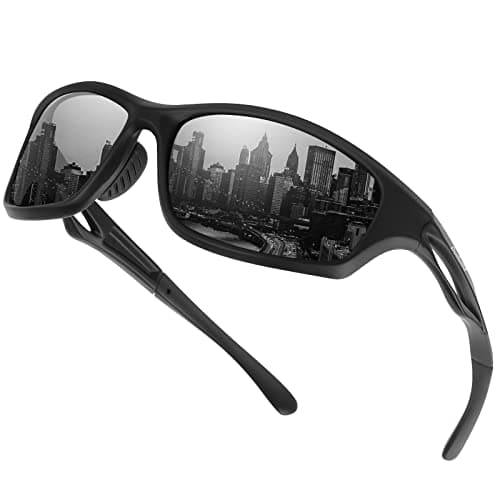
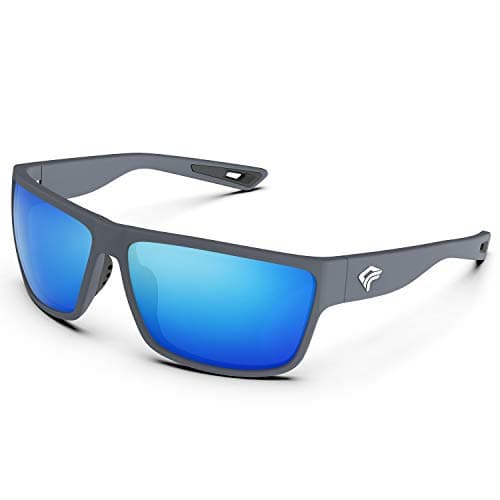
TOREGE makes sport sunglasses for people who want coverage, polarization and durability without a conversation about lens technology. The frames are TR90 nylon or a similar flexible polymer, the lenses are genuinely polarized and UV400, the shapes are half-frame and full wrap, and the price is low enough that the pair is effectively consumable. The brand has become one of the default answers on Amazon for "polarized sports sunglasses," and mostly it deserves to be.
There is no heritage here and no proprietary optics, and TOREGE does not pretend otherwise. What there is instead is a well-judged set of trade-offs: put the money into the frame material and the polarizing film, take it out of coatings and fit engineering, and sell the result cheaply enough that losing a pair is not an event.
What TOREGE gets right
The frames genuinely survive. TR90-class nylon flexes and returns instead of snapping, which is the single most common way cheap sport sunglasses die. A pair sat on in a car seat or crushed in a pack usually comes out working. The flexible-frame models take this further and are close to abuse-proof in normal use.
Real polarization at the bottom of the market. TOREGE lenses pass the LCD-screen test, meaning you get actual reflected-glare removal rather than a dark tint. For running on wet roads, riding in flat light and casual time near water, that is most of the benefit a lens can give you. The Cleveland Clinic explains why removing reflected light is different from simply dimming the scene.
Coverage that a lifestyle frame cannot match. The wrap and half-frame shapes seal out the side light that comes straight past a flat frame, which matters more in sport than anything about lens tuning. This is the reason a $25 sport wrap beats a $200 lifestyle frame for a run.
Rubberized nose and temple contact.Most TOREGE models use grippy contact points that hold better as you sweat. It is not goodr's coating, but it is a long way from the bare smooth plastic that makes budget frames slide. Our slipping guide covers why that material choice matters so much.
Where TOREGE gives ground
Coatings. The lens coatings are the compromise, as they are across this tier. Fine scratching appears sooner than on a premium lens, mirror finishes wear, and a pair thrown lens-down into a bag will show it. Budget accordingly and use the pouch.
Fit is generic. One size, no adjustable nose, no low-bridge variant. TOREGE frames suit a broad middle range of faces and leave gaps at the temples on narrow ones. Since the entire point of a wrap is sealing out side light, a poor fit costs you more here than it would on a lifestyle frame.
Optics are competent, not crisp. Center clarity is fine; the outer third of the lens softens. On a run that is invisible. Descending fast on a bike it is not, and it is one of the honest arguments for spending up that we make in Oakley vs Tifosi.
Polarized is not always what a cyclist wants.TOREGE's polarization is a genuine feature, but on a bike it dims a head unit and can mask the sheen that tells you a corner is wet. If you ride with a computer, a photochromic or plain tinted sport lens is the better tool — see are polarized lenses good for cycling.
Which TOREGE should you buy?
The standard TR90 half-frame wrap is the default: light, polarized, well shaped for running, riding and general outdoor use, and cheap enough to own two. The flexible-frame models are the pick if your sunglasses live rough — in a pack, a glovebox, a pocket — because the frame will outlast almost anything you do to it. There is not a meaningful lens-quality difference between the lines, so choose on shape and durability rather than expecting an optical upgrade.
TOREGE versus Duduma and the rest
The budget sport wrap category is crowded and the products are genuinely similar: TR90 frame, polarized lens, rubberized contact points, wrap shape. Duduma is the other name that dominates the same shelf, and the honest verdict is that the two are close enough that you should buy on shape, colorway and current price rather than on brand. Both are considerably better propositions than a lifestyle frame for sport, and both are outclassed by a Tifosi if you can stretch the budget for lens options and better fit. The full field is in our running roundup and cycling roundup.
Are TOREGE sunglasses worth it?
For a first sport pair, a spare pair, or a pair to abuse, yes — comfortably. You get genuine polarization, UV400, real coverage and a frame that survives, for a price where none of that should be possible. Skip TOREGE if you want optical precision, if you ride with a bike computer and need a non-polarized lens, or if you want the fit to be adjustable to your face. It is a very good cheap sport wrap and it is not trying to be anything else, which is the most honest thing about the brand.