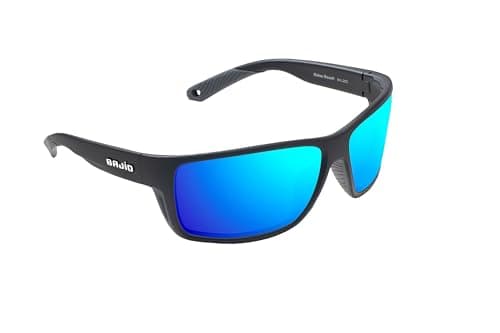
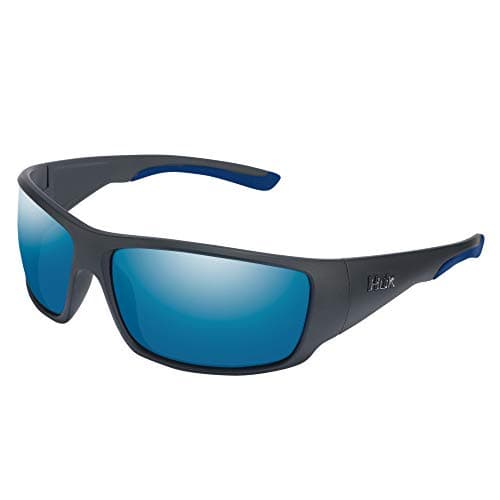
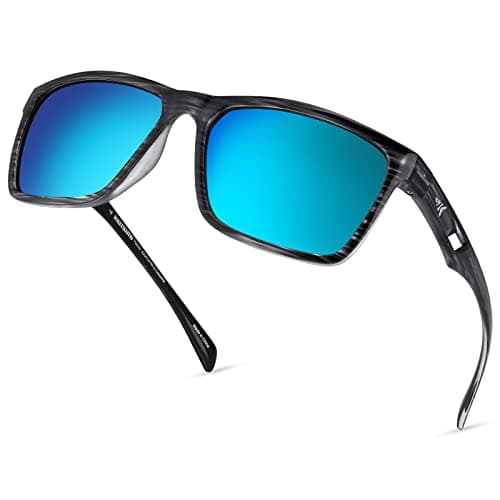
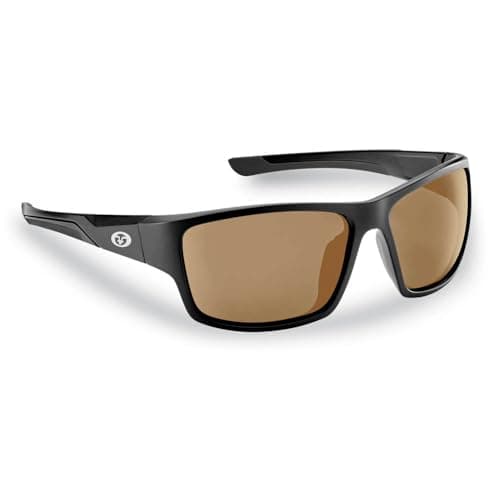
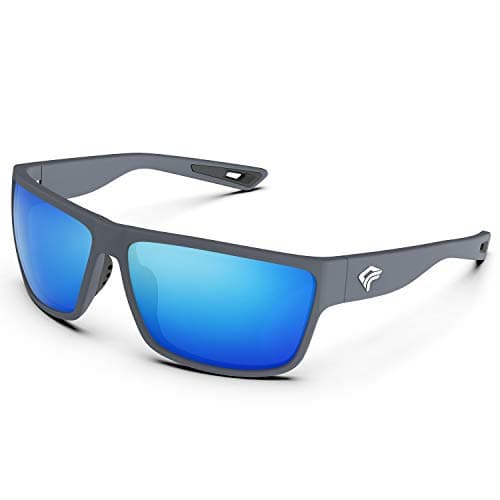
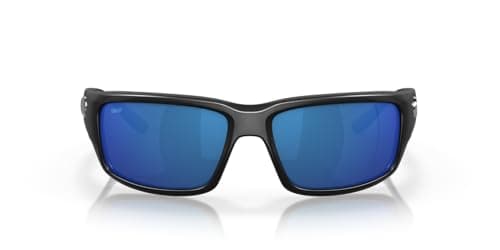
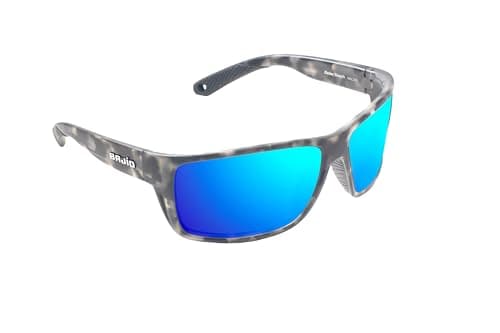
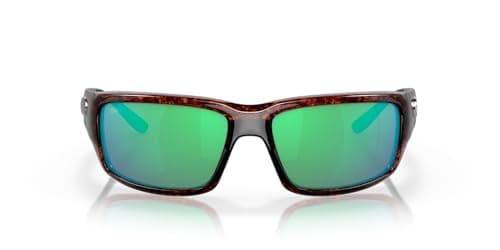
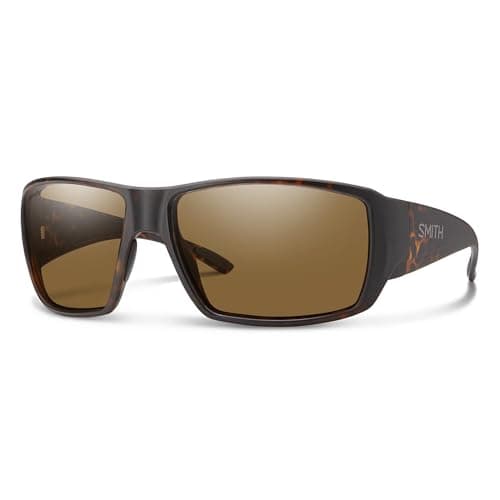
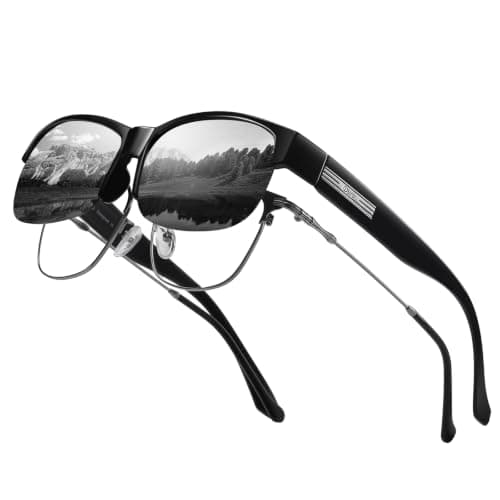
For serious sight-fishing, buy the Costa Fantail with a 580 lens — it is the default for a reason. For most anglers who fish a few times a month, the KastKing FlatRock does 80% of the job for a tenth of the price, and we will not pretend otherwise.
A fishing sunglass is doing one job that a lifestyle pair cannot: letting you see through the surface of the water. Glare off the surface is a mirror between you and the fish, and a polarized lens removes that mirror. Every pair on this page is polarized — non-polarized has no place in a fishing roundup. That is the price of entry, not the differentiator. If you want the mechanism and an honest account of how much it buys you in different water, read do polarized sunglasses help you see fish.
The differentiator is the lens tint and its contrast tuning. This is where the premium fishing brands genuinely earn their price and where the marketing is, for once, mostly true. Costa's 580 lens filters out a slice of yellow light to boost the contrast between a fish and its background; Bajío's LAPIS coating targets blue light specifically, which is the wavelength that washes out a fish on a bright flat. Copper, amber and green-mirror tints all lift contrast in different light. A budget polarized lens cuts the glare but does not do this contrast work, so you see less structure and fewer fish in tricky light. Whether that gap is worth $180 depends entirely on how much you fish.
Lens color matters more than the logo
If you take one thing from this page, take this: the tint of the lens does more for your fishing than the brand on the temple. Copper and amber tints are the all-round default — they lift contrast in the variable light of inshore and freshwater fishing. Green and blue mirror lenses shine in bright, open, offshore conditions. Gray lenses are the most neutral and the least specialized. We go deep on this in our best lens color for fishing guide, because getting the tint right on a $40 pair beats getting it wrong on a $250 one. Freshwater is a different enough problem to have its own page: if you chase bass in green, stained or tannic water, start with best bass fishing sunglasses instead, and if you are choosing between the two premium angling brands, we put them head to head in Bajío vs Smith and in Smith vs Costa. Moving water asks for something different again — wading, overhanging cover and failing light are the subject of best fly fishing sunglasses.
The other thing the premium brands get right is grip and coverage. Costa's Hydrolite nose and temple pads grip harder the wetter they get, and a vented full-wrap frame keeps side glare out and fogging down. Those are real advantages on a boat in spray, and they are why a purpose-built fishing wrap beats a lifestyle frame you happen to own even when the lifestyle frame is polarized.
Glass versus polycarbonate is the last real decision. Glass lenses (Bajío, Costa's 580G) are the optically clearest and most scratch-resistant, but heavier on the nose over a long day and more likely to shatter if you drop them. Polycarbonate (Costa's 580P) is lighter and nearly unbreakable, at a small clarity cost. Neither is wrong — pick weight-and-toughness or clarity-and-scratch-resistance based on how you fish.
How to choose a fishing pair
Start with the lens tint, not the brand
Copper/amber for variable inshore and freshwater light; green or blue mirror for bright open water; gray for the most neutral all-round option. This decision beats the logo every time.
Decide how often you actually fish
A few times a season: a $25-40 polarized wrap (KastKing, Torege, Flying Fisherman) is the honest answer. Most weekends chasing spooky fish: the contrast lenses (Costa 580, Bajío LAPIS) genuinely see more, and that is what you are paying for.
Glass or polycarbonate
Glass for the clearest, most scratch-resistant optics if you do not mind the weight and can avoid dropping them. Polycarbonate for light, near-unbreakable lenses that scratch a little easier.
Do not skimp on grip and coverage
Sticky nose/temple pads and a vented full wrap are the difference between a pair that stays put in spray and one you are constantly pushing up. This is where cheap lifestyle frames fail on the water.
Fishing on a tight budget
The picks above span the full range, and the premium end is genuinely better. But the single benefit that matters most on water — removing the polarized reflection off the surface — is delivered by any honest polarized filter, which makes this the use case where cheap pairs are most defensible. Best budget fishing sunglasses ranks the under-$50 field and is specific about what you give up. At the other end, the premium matchup anglers ask about most is Bajío vs Maui Jim. And if you wear prescription glasses, the cheapest way to get a real fishing lens is a polarized fit-over worn over them — we rank those in best fit-over sunglasses for fishing.
The cheap stuff that matters
Essentials under $40
The add-ons this page already told you to get. None of these is scored — our rubric measures glare control, optics, fit, durability and value, and four of those mean nothing for a cleaning cloth. So you get a reason and a live price instead of a number we'd have had to invent.
Generic
Floating Sunglasses Straps for Water (4-pack)
A buoyant strap for boats, kayaks and wading. Note what this is: the STRAP provides the flotation. Do not assume any pair floats on its own.
Chums
Chums Original Cotton Retainer
The plain cotton eyewear keeper. Adjustable, washable, and the version most people mean when they say Croakies. Colorways vary on the listing.
#ad · Live prices as of October 19, 2026, hidden when our data goes stale. We may earn a commission, at no cost to you. How this works.
How we picked
We don't run a testing lab
We compile each pair's published specifications — lens material, polarization, coating, frame material, coverage, UV rating and price — normalize them, and score each against a published rubric. The scores are judgments from documented research; they are notmeasurements we took, because we don't own a lab and we're not going to pretend we do. Pairs we claim to have lab-tested: 0.