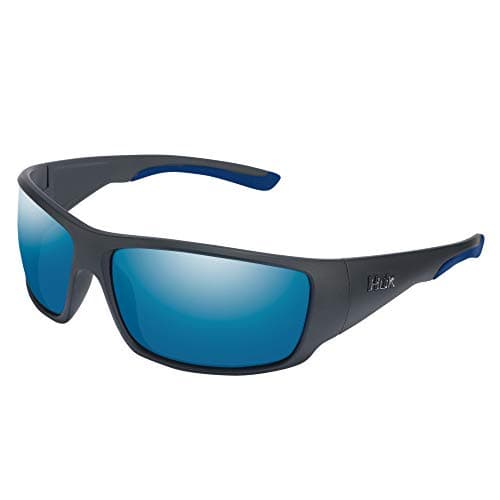
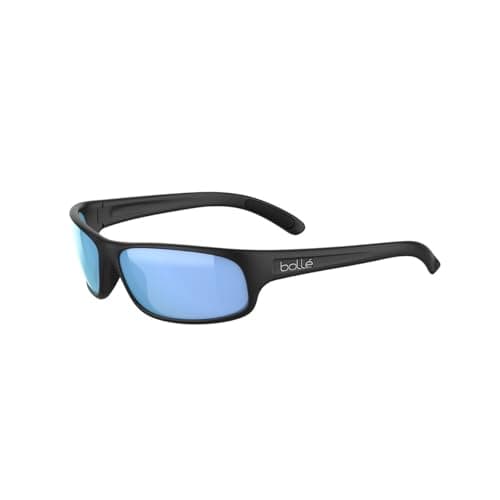
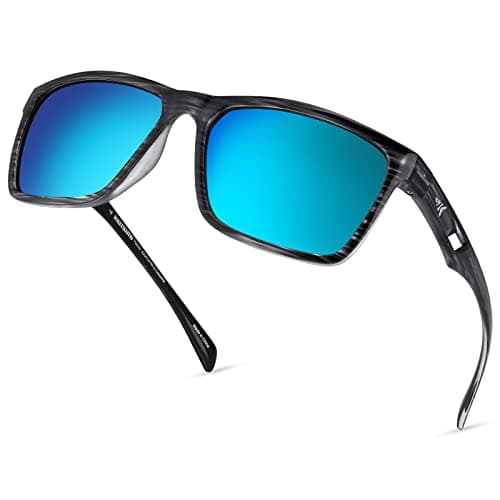
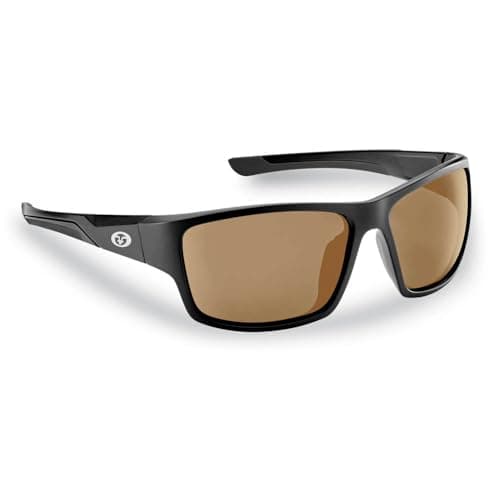
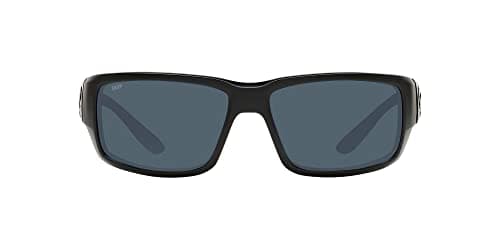
Buy a polarized wrap with hydrophilic grip and a retainer, and budget for the strap before you budget for the lens. The Costa Fantail is the reference pick because the 580 lens and the Hydrolite grip were designed for exactly this environment; the Huk Spearpoint gets you most of the way for much less; the KastKing FlatRock is the pair you can afford to lose over the side. A floating retainer is the highest-value $10 in this entire category.
Boating and fishing share a page on most sites, and they should not. A fisherman is trying to resolve detail through the water surface, which is a contrast problem solved by lens tint. A boater is mostly trying to be comfortable for eight hours in an environment that is throwing light at their face from every direction, which is a coverage and fatigue problem. The overlap is real but the priorities are different.
1. Glare comes from below, and that changes the frame
On open water you are lit twice: directly from the sky, and again by the enormous reflective surface underneath you. A flat lifestyle frame does nothing about the second one, because the light arriving from below simply goes under the lens and into your eye.
That is why a wrap matters more on a boat than almost anywhere else. Curving the lens around the eye socket and bringing the lower edge closer to the cheek closes the gap that upward-reflected light comes through. It is also why boaters often describe expensive flat fashion frames as "tiring" on the water without being able to say why.
Polarization is the other half of the same problem, and it is the strongest use case for it that exists. Light reflecting off a flat water surface is almost entirely horizontally aligned, which is precisely what a polarizing filter removes — the Cleveland Clinic explains the mechanism. On water, the effect is dramatic rather than subtle.
2. Retention is not optional, and most people learn that the hard way
Everything you drop on a boat is either gone or wet. There is no equivalent of picking your sunglasses off the pavement. That makes a retainer the single highest-return accessory in eyewear, and a floating retainer specifically, because a cotton one keeps them on your neck but drowns them if they leave it.
This is why we would rather you bought a $30 pair plus a $10 floating strap than a $200 pair with nothing. The expected cost of the second option, over a few seasons, is worse. It is also why the essentials below are not an upsell — they are the advice.
3. Salt is the thing that kills the lens
Salt spray dries into fine crystals on the lens surface. Wiping a dry salted lens with a shirt is dragging abrasive across a coating, and it is the single most common way boat sunglasses die.
The fix is trivial and almost nobody does it: rinse with fresh water first, then dry with a clean microfiber. That one habit is worth more than any coating upgrade you can buy, and the full routine is in how to clean sunglasses.
Salt also attacks hinge screws and cheap plated metal. On a boat, plastic and composite frames genuinely outlive metal ones, which is the reverse of the usual advice.
4. Hydrophilic grip: the spec that matters most
Everything on a boat is damp, and ordinary smooth plastic gets more slippery as it wets. Hydrophilic rubber compounds — Costa's Hydrolite is the best-known — do the opposite: they become tackier as they dampen. On a rolling deck, with wet hands, that is the difference between glasses that stay on your face and glasses in the water.
If you are buying at the budget end where hydrophilic compounds are not on offer, get the retainer and stop worrying about it. The general grip problem is covered in how to stop sunglasses slipping.
5. Tint: comfort over contrast
Fishing tint advice is contrast advice — copper and amber to lift a fish out of the water, as we set out in best lens color for fishing. If you are cruising rather than sight-fishing, that is not your problem.
For general boating, a neutral gray or a gray-mirror lens is the more comfortable choice over a long day: it darkens without shifting colors, which matters when you are reading a chart plotter, judging the color of the water ahead, or looking at other vessels. Copper tints are still fine and slightly better in flat light. Either way, a mirror coating helps meaningfully on water by rejecting some of the light before it enters the lens — see best mirrored sunglasses.
6. The screen caveat, on a boat specifically
Polarized lenses dim LCD screens, and a boat is full of them: chart plotters, fish finders, phone navigation. Depending on the screen's own polarization axis, it can darken substantially or show a rainbow pattern when you tilt your head.
It is worth knowing before you buy rather than discovering at the helm. The full explanation, and the workarounds, are in do polarized sunglasses block screens.
How we ranked these
All-day glare comfort first, then grip and retention, then salt survivability, then price. Every pick is polarized and UV400 — the American Optometric Association recommends blocking 100% of UVA and UVB, and reflected light off water increases your exposure rather than reducing it. Scores come from the rubric on how we rate: judgments compiled from published specifications, not lab measurements. We do not run a lab.