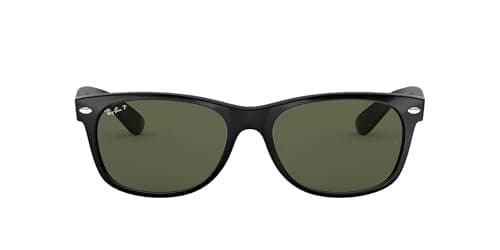
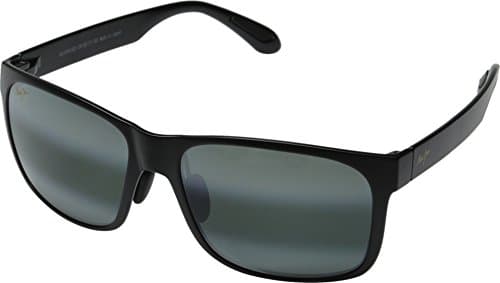
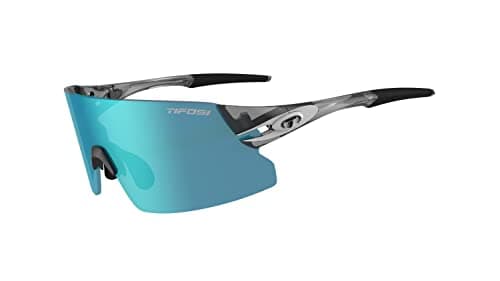
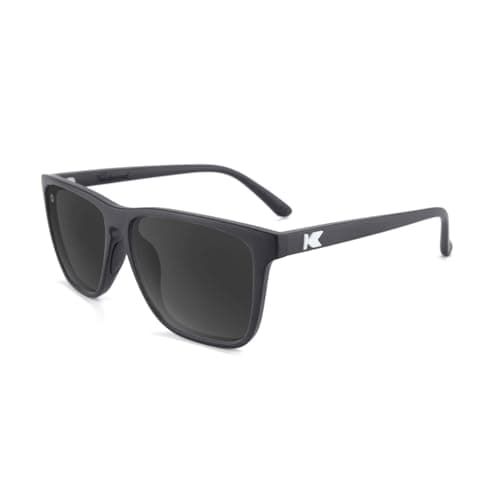
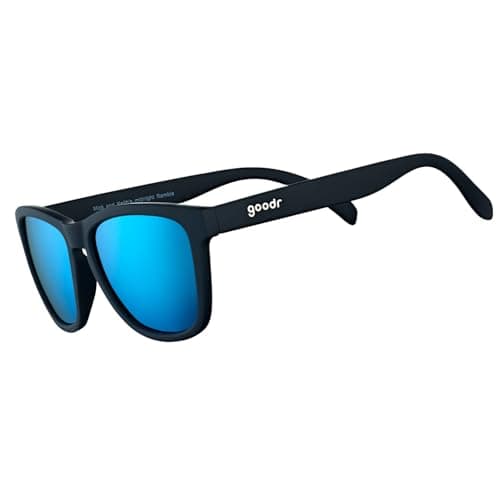
If you want one recommendation and no reading: buy the goodr OG. It is polarized, it is UV400, it grips a sweaty face, it costs about as much as a takeaway, and it does 90% of what a $250 pair does for the things most people actually use sunglasses for. If you want the icon, buy the polarized Ray-Ban New Wayfarer. If you want the best lens made and you will look after it, buy the Maui Jim Red Sands. Everything after this paragraph exists to show you why, and to point you at the right pair when your use is more specific than "sunglasses."
"Best sunglasses" is the vaguest query in this category, and most pages answering it quietly resolve the vagueness by ranking whatever pays the most. We are going to resolve it a different way: by admitting that the honest answer depends entirely on what the pair is for, and then ranking a shortlist that covers every major use with one strong pick each. If you already know your use, jump straight to the specialist page — fishing, running, cycling, golf, driving or polarized— because a page built around one job will always beat a general list.
The two specs that decide everything
Strip away the marketing and a pair of sunglasses is doing two jobs, and only two are worth arguing about at the point of purchase.
UV protection is the health function, and it is free. The American Optometric Association recommends lenses that block 100% of UVA and UVB, and links cumulative UV exposure to cataracts, pterygium and macular degeneration. Here is the part the premium brands never lead with: UV protection has essentially nothing to do with price. A $15 UV400 lens blocks UV as completely as a $250 one. Any pair on this site clears that bar; so do most pairs at any petrol station. If eye safety is your only concern, you can stop reading and buy the cheapest UV400 pair you like the look of.
Polarization is the comfort-and-clarity function, and it costs a little.A polarized lens is a filter, not a darker tint — it cancels the horizontally aligned light that bounces off water, wet roads and painted metal. That is why a polarized pair lets you seeinto a lake instead of at its surface, and why it transforms driving after rain. Genuine polarization starts around $25 now. The three cases where you should deliberately avoid it are LCD-heavy environments (a bike computer, a boat chartplotter), ice and snow, where the reflective sheen is a warning you want to keep, and green-reading on a golf course.
What the extra money actually buys
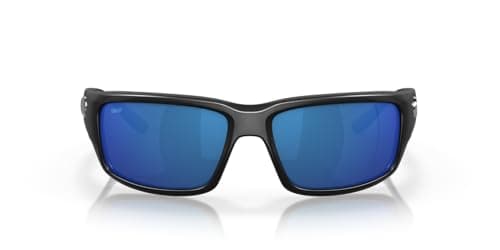
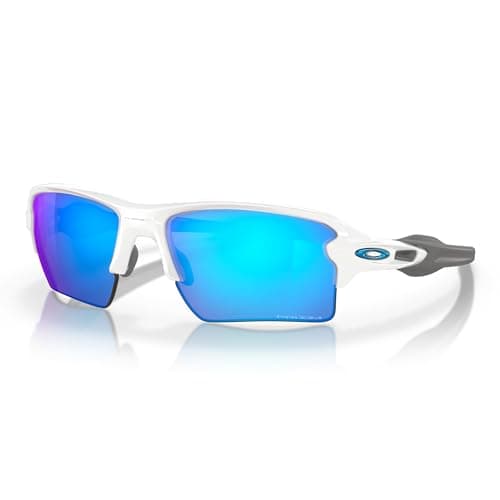
Above the $40 line, you are no longer buying safety or the core glare function. You are buying four things, and it is worth knowing which of them you care about. Optical clarity at the edges of the lens, where cheap lenses smear slightly — noticeable at speed on a bike or a fast descent, largely irrelevant sitting on a beach. Contrast tuning, where a lens filters specific wavelengths to make a fish or a fairway pop; Costa's 580 and Oakley's Prizm are the real examples, and they genuinely work for their intended job. Coating and frame durability, which is the difference between a two-season pair and a ten-year one. And fit engineering— adjustable noses, size options, grip materials that tack up with sweat.
Notice what is not on that list: how well you can see, and how protected your eyes are. Those are solved at the bottom of the market. We go through the full price ladder in are expensive sunglasses worth it, and the cheap end specifically in best cheap polarized sunglasses.
Fit beats every spec on the box
The most common reason a pair of sunglasses ends up in a drawer is not the lens. It is that they pinch, slide, leave marks, or look wrong. Frame width should roughly match face width; a pair that leaves a red temple mark is too small no matter how good the reviews are, and one that slides down your nose the moment you look down is too big or too smooth. Shape is about balance: angular frames counterweight a rounder face, softer and rounder frames soften an angular one. That is the whole of the face-shape theory worth knowing, and we expand on it in our round face guide.
If you wear prescription glasses, you have two good options that most roundups ignore entirely: a fit-over that goes on top of your specs, or a clip-on that attaches to them. Both now come genuinely polarized, and both cost a fraction of prescription sunglasses. Our prescription guide covers the trade-offs.
How this list is ranked
Every pick below is scored on five metrics — glare control, optics, fit and coverage, durability and value — using the published rubric on how we rate. Those scores are judgments compiled from published specifications, manufacturer documentation and aggregated owner reports. They are not lab measurements, because we do not own a lab and will not write "in our testing" as though we do. The order below weights breadth of usefulness: a pair that serves a lot of people well ranks above a pair that serves a few people perfectly, which is exactly why a $30 running frame sits above a $250 lens on this particular page and the reverse is true on the polarized roundup.
Buying, in the order that matters
1. Name the job
Everyday and driving, sport, water, or a specific course or trail? The job determines the shape and the lens, and it is the only decision that genuinely cannot be undone by spending more.
2. Confirm UV400
Non-negotiable and free. If a listing will not state UV400 or 100% UVA/UVB, move on — there are hundreds of pairs that will.
3. Decide on polarized
Yes for driving, water and general glare. Think twice for cycling with a head unit, snow and ice, and golf green-reading.
4. Set the budget honestly
Under $40 buys a genuinely good pair. $200-plus buys optical polish, contrast tuning and a decade of life. There is a real middle where you are mostly paying for a logo.
5. Buy the fit, not the photo
Match frame width to face width, and shape to balance. A perfect lens in the wrong size is the most expensive mistake in this category.