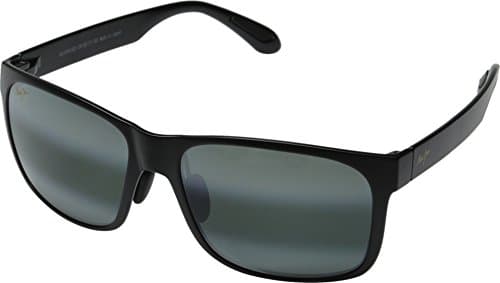
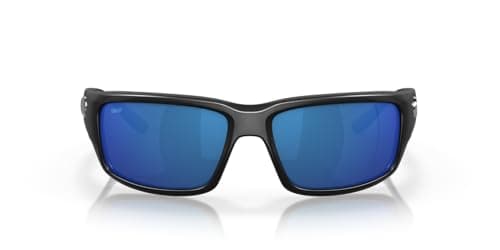
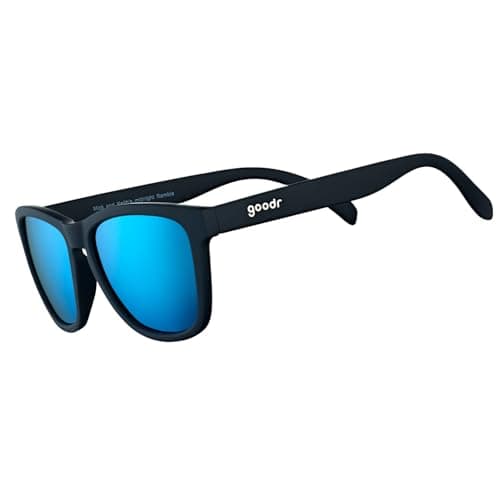
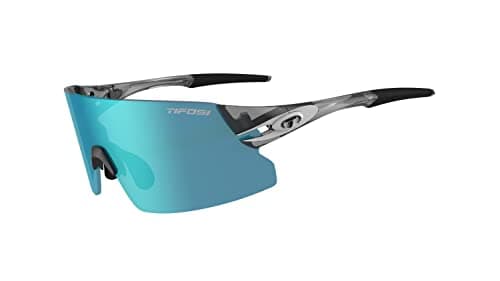
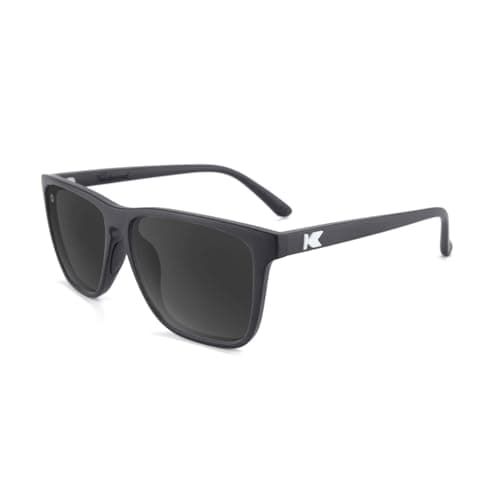
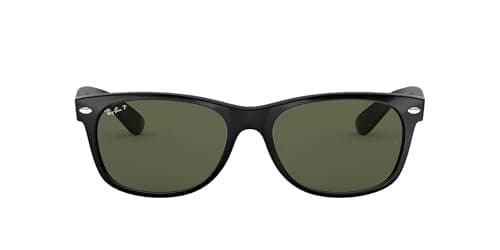
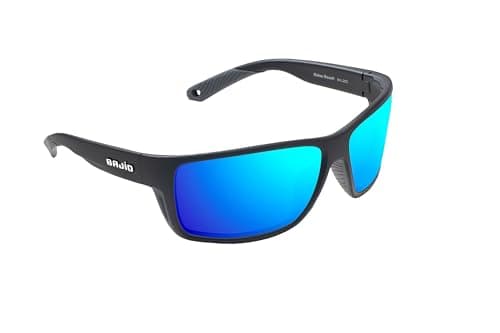
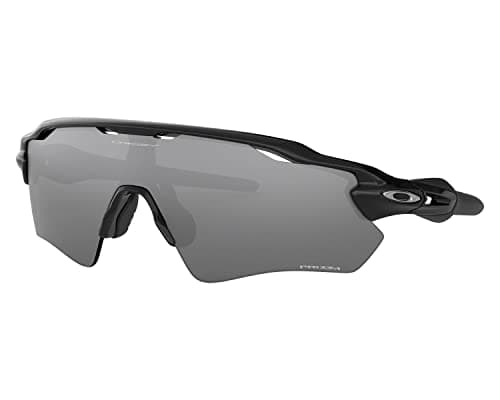
If you want one brand that is excellent at the most things, it is Oakley — genuinely engineered lenses, sport fit that works, and build quality that lasts. If you want the best lens for looking at the world, it is Maui Jim. If you want the best lens for looking into water, it is Costa. If you want the most sunglasses per dollar, it is goodr or Knockaround. Those five sentences will serve most people better than any ranked list.
We are going to rank brands here because that is how a lot of people shop, but we want to be honest about the limits of the exercise first. "Best brand" is not the same question as "what should I buy," and on this site those two answers frequently disagree. Oakley tops this list on engineering breadth, and we still tell most cyclists to buy a Tifosi. That is not a contradiction — it is the difference between ranking capability and ranking value, and we would rather show you both than pretend they are the same number.
What we can do usefully is tell you what each brand has actually built its product around, where that focus pays off, and where it does not. Every brand below is one we would recommend to someone; the ranking is about breadth and depth of what they do well, and each pick is one representative pair from that brand's line so you can see the house style rather than just read about it.
How we ranked the brands
Four things, weighted in this order. Lens engineering— is there real, documented technology, and does it do something specific? Range and fit— can a wide variety of faces and uses actually be served? Durability— does the product survive its intended environment? Value— what does a buyer give up at the price? A brand that is superb at one thing and absent everywhere else ranks below a brand that is very good across the board, which is why the specialists sit lower here than they would on their own category pages.
The premium tier: Oakley, Maui Jim, Costa, Bajío
These four are the brands with genuine, documented lens technology, and it is worth understanding that each one solves a different optical problem. Oakley's Prizm boosts specific contrasts for a specific sport — road surface detail for cycling, green-versus-fairway for golf. Maui Jim's PolarizedPlus2 lifts color and contrast broadly and is the most pleasant all-round lens we know of. Costa's 580 filters a band of yellow light to make what is under the water separate from the surface. Bajío targets blue light specifically for bright flats. None of these is marketing fluff; all of them are aimed at a job, and buying the wrong one for your job is the most common premium mistake.
The premium tier also earns money on things nobody puts in an ad: lens coatings that survive years, frames that hold their shape, and service programs that will replace a lens rather than making you replace the pair. If you buy sunglasses once every ten years, that changes the value calculation substantially. If you lose sunglasses annually, it does not.
The value tier: goodr, Knockaround, Tifosi
The best thing that has happened to sunglasses buyers in the last decade is that this tier got good. All three of these brands ship genuinely polarized, UV400 lenses (Tifosi's sport models are deliberately non-polarized, which is the right call for cycling) in frames that are purpose-built rather than generic. goodr solved sweat-slip with a grip coating. Knockaround solved impact and colorways. Tifosi solved changing light by putting several lenses in the box for less than a single premium lens costs.
What you give up is consistent and predictable: coating longevity, edge-of-lens clarity, and fit options. That is a fair trade at these prices, and for most buyers it is the trade to take. The head-to-heads are in goodr vs Knockaround and Oakley vs Tifosi.
The icon: Ray-Ban
Ray-Ban is its own category, and pretending otherwise is silly. The Wayfarer and Aviator are design objects that happen to be sunglasses, and the polarized versions do the glare job perfectly well. What you are buying is a shape with eighty years of cultural weight and a frame that is properly made — not a lens technology that beats Maui Jim or Costa. If that is what you want, it is a completely legitimate purchase, and the polarized New Wayfarer is a genuinely good everyday and driving pair. Just do not let anyone tell you the lens is why.
Brands we did not rank, and why
We only rank brands whose current products we can verify are purchasable through the affiliate program that funds this site, so that every recommendation ends in a working link rather than a dead end. Several brands with real search demand — and real audiences — sell primarily direct and are not reliably available that way. Rather than write a review that finishes with "you cannot buy this here," we leave them off until that changes. We also do not rank house brands whose products we cannot trace to a manufacturer, because there is no way to make an honest durability or lens claim about them. Our editorial policy spells this out.
Picking a brand by what you need
You fish
Costa first, Bajío if you are on bright flats and want glass. Both are built around seeing into water, which is a genuinely different optical problem from everything else here. Start at best fishing sunglasses.
You ride or run
Tifosi for value and lens options, Oakley if you want the best single lens and a decade of life. goodr if the priority is a frame that will not slide on a sweaty face.
You want one nice everyday pair
Maui Jim for the lens, Ray-Ban for the shape. Both are genuine ten-year purchases if you look after them.
You lose sunglasses
goodr, Knockaround or the wider budget field. Buying two good cheap pairs is a strategy, not a compromise — see best cheap polarized sunglasses.
Two brands worth knowing that are not household names
Bollé has been making mountain and military eyewear in France since long before most of the brands on this page existed, and its wraparound polarized frames are a genuine value in the mid price range — see our Bollé sunglasses review. NEVEN is the newer, coastal-styled option that sits just under the premium tier, assessed in our NEVEN sunglasses review.