Skip to content
PolarizedClub

Head to head · Premium polarized

Costa vs Maui Jim: Which Premium Lens Should You Buy?

Two of the best polarized lenses made, built for different jobs. One is tuned to pull fish out of water; the other is tuned to make the whole world look better.

By Stephen V.Updated How we rate
#ad

We earn a commission when you buy through our Amazon links, at no extra cost to you. It never affects our rankings, and we say so when the cheaper pair is the better buy. How this works.

Buy Costa if you fish. The 580 lens is engineered around one job — lifting fish and structure out of surface glare — and it does that better than anything at the price. Buy Maui Jim if the pair is for everything else: driving, travel, the boat rail, the deck chair. PolarizedPlus2 is the more beautiful all-round lens, and the frames are the ones you keep. Both are genuinely premium. Neither is a rip-off. They are simply pointed at different buyers.

This is the comparison people actually agonize over, because at this price you are buying one pair and living with it. Both brands clear the same floor by a mile: real polarization, full UV protection, optical quality that budget lenses cannot approach, and build quality that justifies a decade of ownership. So the question is not "which is better" — it is "which one is better at what I do."

FactorCosta Del Mar (580)Maui Jim (PolarizedPlus2)
Lens philosophyFilters yellow light to spike contrast on waterLifts color and contrast broadly, everywhere
Sight-fishingThe reference — copper and green mirror tints pull fish out of glareVery good, but not tuned for the water specifically
Everyday and drivingGood; the fishing tints can look strong off the waterExcellent — the more natural, more flattering all-round lens
Lens material580P polycarbonate (light, impact-resistant) or 580G glass (clearest, heavier)MauiPure and glass options; MauiPure is lighter than glass, clearer than most poly
Frame styleHeavily fishing- and water-oriented wraps, vents, rubber gripsLifestyle-leaning shapes that work in an office and on a boat
Best forAnglers, boaters, anyone looking into waterEveryday, travel, driving, one-pair-for-life buyers

The short answer

Quick picks

#ProductBest forScorePrice
01
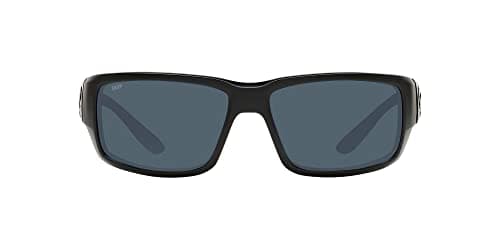
Costa Del Mar Costa Fantail 580P
Costa Fantail 580P

The fishing default. The 580 lens is built to pull fish out of glare, and it does.

Sight-fishing and time on the water
8.4
$169.60Amazon
02
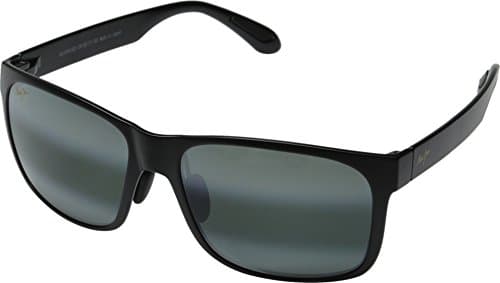
Maui Jim Maui Jim Red Sands (PolarizedPlus2)
Maui Jim Red Sands (PolarizedPlus2)

If glare control and color are the whole point, this is the ceiling — at a ceiling price.

The best-in-class polarized lens
8.2
$259.00Amazon
03
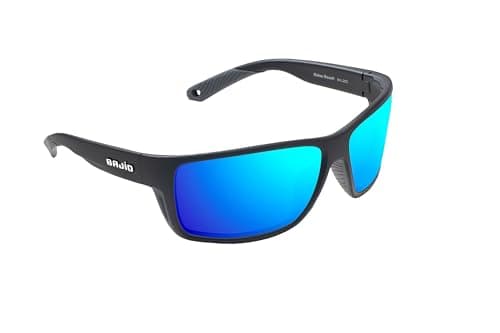
Bajío Bajío Bales Beach (Glass)
Bajío Bales Beach (Glass)

The flats-fishing specialist's pick — glass lenses with a blue-light filter, full coverage.

Flats and bright-water sight-fishing
8.4
$204.87Amazon

#ad · Live prices from the Amazon Product API, as of Sep 5, 2026. Where we have no verified live price, we show none — we would rather leave a gap than print a number that has rotted.

In detail

The picks, in full

01
Costa Del Mar Costa Fantail 580P

Sight-fishing and time on the water

Costa Fantail 580P

580P polarizedPolycarbonateHydrolite gripVented
8.4/10

The fishing default. The 580 lens is built to pull fish out of glare, and it does.

Glare control
10
Optics
9
Fit & coverage
9
Durability
8
Value
6

Pros

  • Costa's 580 lens filters yellow light to lift contrast — copper/green tints make fish and structure pop against surface glare
  • Hydrolite nose and temple pads grip harder the wetter they get, which is the whole game on a boat
  • 580P (polycarbonate) is the lighter, more impact-resistant option versus the pricier 580G glass

Cons

  • Polycarbonate scratches more easily than Costa's 580G glass — the glass is clearer but heavier and dearer
  • A real premium over budget fishing wraps that also filter glare competently

Don't buy this if…

you fish twice a year off a dock. The 580 lens earns its keep for people who sight-fish; occasional users get most of the benefit from a $30 polarized wrap.

$169.60View on Amazon

$212.0020% off

Price as of Sep 5, 2026. Prices change — Amazon's is the one that counts.

#ad · we may earn a commission from this link to Costa Fantail 580P

02
Maui Jim Maui Jim Red Sands (PolarizedPlus2)

The best-in-class polarized lens

Maui Jim Red Sands (PolarizedPlus2)

PolarizedPlus2MauiPure lensUV + blue-lightNylon frame
8.2/10

If glare control and color are the whole point, this is the ceiling — at a ceiling price.

Glare control
10
Optics
10
Fit & coverage
7
Durability
9
Value
5

Pros

  • Maui Jim's PolarizedPlus2 does more than cut glare — it lifts contrast and color, and the difference off water is real, not marketing
  • MauiPure lenses are lighter than glass and more optically true than most polycarbonate
  • Genuinely excellent build; the pair you keep for a decade

Cons

  • The most expensive pick on this site by a wide margin
  • Like any polarized lens it dims LCD and phone screens — a nuisance at a gas pump or a boat's chartplotter

Don't buy this if…

you lose sunglasses. This is a heirloom-price lens, and the glare math that matters to a buyer is 90% there on pairs costing a fifth as much.

$259.00View on Amazon

Price as of Sep 5, 2026. Prices change — Amazon's is the one that counts.

#ad · we may earn a commission from this link to Maui Jim Red Sands (PolarizedPlus2)

03
Bajío Bajío Bales Beach (Glass)

Flats and bright-water sight-fishing

Bajío Bales Beach (Glass)

LAPIS glass lensPolarizedBlue-light filterFull wrap + vents
8.4/10

The flats-fishing specialist's pick — glass lenses with a blue-light filter, full coverage.

Glare control
10
Optics
10
Fit & coverage
9
Durability
8
Value
5

Pros

  • Bajío's LAPIS coating targets blue light specifically, which is the wavelength that washes out a fish on a bright flat
  • Glass lenses give the truest optics here and resist scratches better than any polycarbonate
  • Vented full wrap kills side glare and fogs less than a sealed frame

Cons

  • Glass is heavier on the nose over a long day than Costa's 580P
  • Premium price, and the brand is less of a household name than Costa (which is the point, to some buyers)

Don't buy this if…

you need impact resistance above all — a stray hook or a dropped pair fares better with polycarbonate than glass.

$204.87View on Amazon

$269.0024% off

Price as of Sep 5, 2026. Prices change — Amazon's is the one that counts.

#ad · we may earn a commission from this link to Bajío Bales Beach (Glass)

What Costa's 580 actually does

Costa's 580 lens is named for what it removes: it cuts a band of yellow light at around 580 nanometers, which sits between the green and red parts of the spectrum. Filtering that band increases the perceived separation between the colors on either side of it, which is why blues and greens look more distinct and why a fish or a drop-off stops blending into the surface. Costa publishes the technology detail on its own site. Layer that on top of polarization — which removes the horizontal reflected light that acts like a mirror on the water — and you get the effect anglers pay for: you look into the water instead of at it, and what is down there has more definition.

The trade-off is that a lens tuned for water is a lens tuned for water. Costa's copper and green mirror tints can look strong or unusual in a supermarket car park, and the frames lean unapologetically toward wraps, vents and rubber grips because that is what a boat deck needs. If your pair is going to spend most of its life on your face somewhere other than the water, you are paying a premium for a specialization you rarely trigger.

What Maui Jim's PolarizedPlus2 actually does

Maui Jim's lens takes the opposite approach: rather than tuning for one environment, it lifts color and contrast across the board while also managing glare and blue light. The effect people describe — and it is a real effect, not marketing — is that the world looks richer rather than dimmer. Greens are greener, the sky separates from the clouds, and the scene keeps its depth. It is the lens that makes people say "oh" the first time they put it on.

Maui Jim also wins on the frames for most buyers. The line leans toward shapes that work at a desk, in a restaurant and on a boat rail alike, in a way that Costa's fishing-first catalog mostly does not. And MauiPure — the brand's mid-weight lens material — is a genuinely clever middle ground: lighter than glass, more optically true than standard polycarbonate. If you want one premium pair that does not announce a hobby, this is the side of the aisle to shop.

Weight, material and the thing nobody mentions

Both brands offer glass and non-glass lenses, and the choice matters more than the brand for day-long comfort. Glass is the clearest and by far the most scratch-resistant, and it is heavier on the bridge of your nose after six hours. Polycarbonate and MauiPure are lighter and more impact-resistant, and they will pick up fine scratches sooner. There is no right answer — there is a comfort-versus-clarity trade that you get to make, and it is worth making deliberately rather than by accident. Anglers who wear a pair from dawn to dark often prefer the lighter option even knowing glass is clearer.

The thing nobody mentions: both lenses dim LCD screens, because all polarized lenses do. On a boat that means your chartplotter can go dark at certain head angles. In a car it means the dashboard display can rainbow. This is not a defect and it is not brand-specific — it is physics, and we cover it in polarized vs non-polarized.

Is there a case for neither?

Yes, twice. First: if you fish hard but hate the premium price, a bright-water specialist like the Bajío above uses glass and a blue-light-targeted coating and is a genuine third answer — and our Bajío review goes into it. Second, and more importantly: if you fish twice a year, neither of these lenses will earn its money. A $30 polarized wrap removes the same surface mirror; what it does not do is add the contrast that a serious sight-fisher exploits. We are blunt about that in the fishing sunglasses roundup, where a budget pick sits on the same page as these.

The verdict

If the honest answer to "what will this pair mostly do" is "look for fish," buy Costa and get the 580 tint matched to your water. If the honest answer is "everything," buy Maui Jim, because it is the better lens for a life that happens mostly off the water and the frames suit that life better too. And if you cannot decide because you genuinely do both, buy the Maui Jim — the everyday advantage is felt daily, and the fishing deficit is felt only on the days you are chasing spooky fish in tricky light.

Choosing between them, step by step

1. Count the days

Count how many days a year the pair will be on the water versus everywhere else. If water is under a third of the total, the Maui Jim is the better use of the money.

2. Pick the lens material before the brand

Glass for maximum clarity and scratch resistance, at a weight penalty. Polycarbonate or MauiPure for lightness and impact resistance, at a small clarity and coating-life penalty.

3. Match the tint to your light

Costa's copper and green mirrors are for bright water; a gray tint is the neutral everyday choice. Our lens color for fishing guide and lens colors explained cover this properly.

4. Then check the fit

A premium lens in a frame that pinches is a wasted premium. Both brands publish fit sizes — buy the one that matches your face width, not the one in the photo you liked.
How we picked

We don't run a testing lab

We compile each pair's published specifications — lens material, polarization, coating, frame material, coverage, UV rating and price — normalize them, and score each against a published rubric. The scores are judgments from documented research; they are notmeasurements we took, because we don't own a lab and we're not going to pretend we do. Pairs we claim to have lab-tested: 0.

Questions

Frequently asked

Is Costa or Maui Jim better for fishing?
Costa, for most anglers. The 580 lens filters a band of yellow light specifically to increase the contrast between the colors on either side of it, which is what makes fish and structure separate from the water. Maui Jim's lens is superb but tuned for all-round color and contrast rather than for looking into water. See the whole field in our fishing sunglasses roundup.
Is Maui Jim worth the money?
For a pair you will wear most days for years, yes — PolarizedPlus2 genuinely lifts color and contrast rather than just dimming the scene, and the build quality supports a decade of ownership. For eye protection alone, no: a $30 UV400 polarized pair protects your eyes exactly as well. You are buying optical quality and durability, not more safety.
What is the difference between Costa 580P and 580G?
580P is polycarbonate — lighter, more impact-resistant, cheaper, and more prone to fine scratches. 580G is glass — optically the clearest, the most scratch-resistant, and noticeably heavier on your nose over a long day. Both use the same 580 yellow-light filtering. Choose by weight tolerance and how rough your days are.
Do both brands dim phone and chartplotter screens?
Yes. Every polarized lens interacts with the polarized light that LCD screens emit, so both can darken or rainbow a phone, a dashboard or a boat's chartplotter at certain angles. Tilting your head usually restores it. It is physics rather than a brand flaw — the full explanation is in our polarized vs non-polarized guide.
Which brand has better warranty and repair support?
Both run established service and lens-replacement programs, which is a real part of what you are paying for at this level — a budget pair is disposable, a premium pair is serviceable. Terms change, so check each brand's current policy on its own site before you buy rather than trusting a number quoted on a review site.

Keep reading

Receipts

Sources

We do not run a testing lab, and we do not pretend to. Where a spec or measurement came from a manufacturer or a third party, we name and link it. Where we could not verify something, we say so on the page rather than quietly leaving it out. Read our full method.