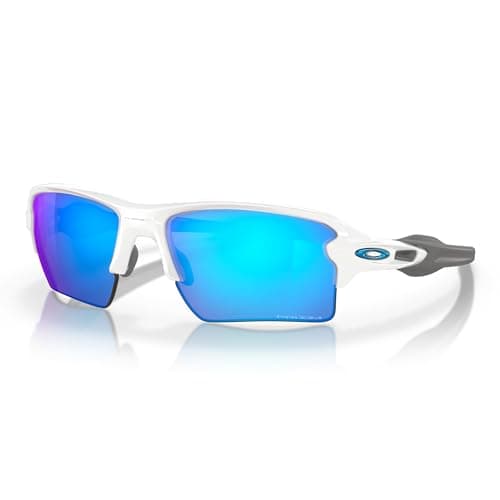
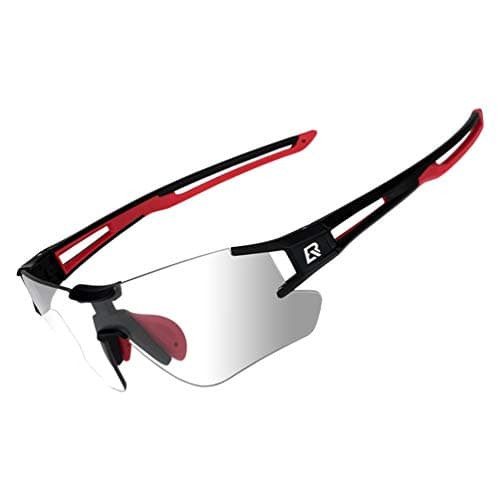
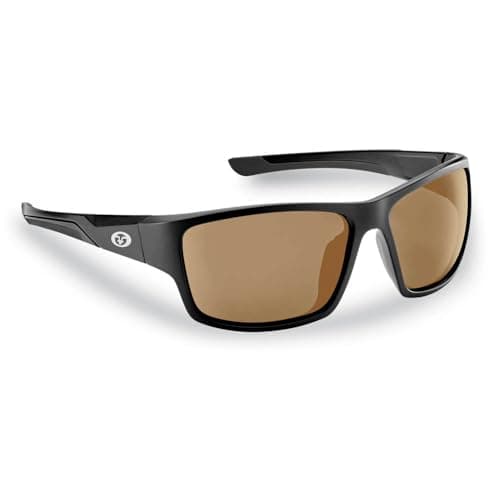
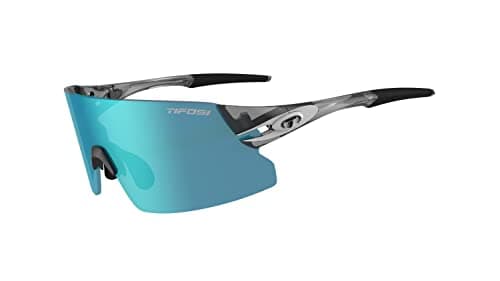
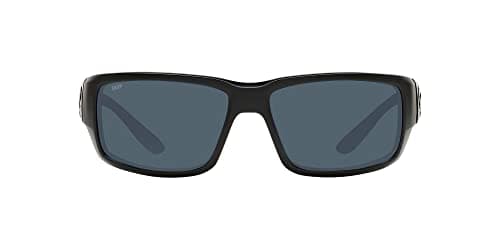
Gray is the neutral default and the right answer for driving and general bright sun, because it dims everything evenly and keeps colors true. Brown, copper and amber lift contrast and are what you want on water and in flat light. Yellow and rose boost contrast in genuinely low light. Mirroring is a coating that reduces the light entering the lens, not a tint in itself.
Lens color is the most misunderstood thing on a spec sheet, mostly because it is presented as a style choice when it is actually a functional one. A tint works by absorbing some wavelengths more than others, which changes the relative brightness of things in your field of view. Remove some blue and the contrast between greens and reds increases — useful for spotting a fish or a break in a fairway. Remove everything evenly and the world just gets dimmer with its colors intact — useful when you need to read a traffic light correctly.
Two things to hold onto before the detail. First, tint has nothing to do with UV protection. A clear lens can block 100% of UV and a very dark lens can block none. The American Optometric Association recommends 100% UVA and UVB blocking regardless of color, and we cover the separation in UV protection explained. Second, tint is separate from polarization— any tint can be polarized or not, and polarization is about the orientation of light rather than its color.
The tints, one by one
Gray (smoke)
The neutral. Gray absorbs across the spectrum fairly evenly, so it reduces brightness without shifting color relationships. That makes it the safest choice for driving, where the AOA specifically notes gray lenses preserve accurate color recognition — you want a red light to look red. Also the default for bright, all-purpose sun. The trade-off is that gray adds no contrast, so it can feel flat on an overcast day.
Brown and copper
The contrast tints. Brown absorbs more blue light, which increases the apparent separation between greens, reds and browns. That is why it is the standard on water and on grass: fish, structure, fairway undulations and trail features all stand out more than they do through gray. The trade-off is a warm color cast, which some people dislike and which slightly shifts how colors read. Costa's 580 lenses are the engineered version of this idea.
Amber and rose
More aggressive contrast enhancement, with a stronger color cast and less light reduction. These shine in flat, overcast and low-angle light, where a gray lens would make an already dull scene duller. Anglers often carry an amber lens specifically for gray days, and our lens color for fishing guide goes deep on matching the tint to the water and the light.
Yellow
Maximum contrast, minimum light reduction. Genuinely useful for low light: shooting, some mountain-bike conditions under tree cover, overcast winter days. Not sunglasses in any meaningful sense — a yellow lens barely dims anything. And specifically not a night-driving aid: a controlled study published in JAMA Ophthalmology found yellow-lens night-driving glasses did not improve pedestrian detection. We cover that fully in can you wear sunglasses at night.
Green
A close cousin of gray with a mild contrast lift and minimal color distortion. A good all-rounder that suits bright sun and is a classic choice on lifestyle frames. Less specialized than brown, more interesting than gray.
Mirrored (flash coatings)
Not a tint but a reflective coating applied on top of one. It bounces additional light away before it enters the lens, which is genuinely useful in very bright environments — snow, open water, high altitude. It also hides your eyes and scratches more visibly than a plain lens. Underneath every mirror there is still a base tint doing the actual color work, so read the base tint rather than the mirror color.
Photochromic
A lens that darkens in UV light and clears in its absence. The right answer when light changes during a single session and you cannot swap lenses — a long ride that starts at dawn, trail running under patchy cover. The honest limitations: photochromic lenses transition more slowly in cold weather, never reach the darkness of a dedicated bright-sun lens, and many activate poorly behind a car windshield, which blocks the UV that triggers them.
Matching tint to activity
| Activity | Best tint | Why |
|---|
| Driving | Gray (brown as an alternative) | Accurate color for lights and signage; brown adds contrast on dull days |
| Fishing, bright water | Copper or green mirror | Lifts fish and structure out of surface glare |
| Fishing, overcast | Amber or rose | Contrast without removing much light from an already dull scene |
| Golf | Brown or a tuned golf tint | Separates green from fairway and shows slope transitions |
| Road cycling | Rose, amber or photochromic | Surface detail at speed, and light that changes mid-ride |
| Running | Gray or brown | All-purpose; grip and weight matter more than tint here |
| Snow and high altitude | Dark gray or brown, mirrored | Extreme brightness; mirroring sheds light before it enters the lens |
One last practical note: if your activity involves genuinely variable light, the honest answer is not a cleverer single tint but either a photochromic lens or an interchangeable set. That is why so many sport frames ship with several lenses, and why we rate that highly in the cycling roundup.
Choosing a tint
Default to gray
Neutral, accurate, right for driving and general bright sun. If you only own one pair, own this.
Choose brown or copper if you are looking at something
Water, grass, trail. Contrast tints make the thing you are searching for separate from the background.
Choose amber, rose or yellow for flat and low light
Overcast days and tree cover. These lift contrast without stealing much light. None of them belong in bright sun.
Choose photochromic or an interchangeable set for changing light
No single fixed tint solves a ride that starts in the dark and finishes in full sun. Buy the mechanism, not a compromise tint.