Skip to content
PolarizedClub

Costa Del Mar · Brand review

Costa Del Mar Sunglasses Review

Costa's 580 lens is the fishing default for a real reason, but the premium only pays off if you are genuinely on the water.

By Stephen V.Updated How we rate
#ad

We earn a commission when you buy through our Amazon links, at no extra cost to you. It never affects our rankings, and we say so when the cheaper pair is the better buy. How this works.

The short answer

Quick picks

#ProductBest forScorePrice
01
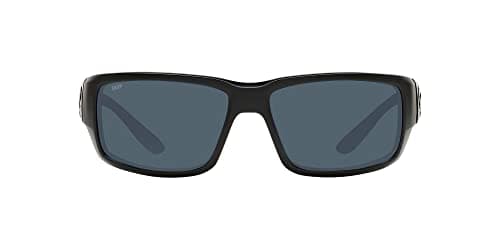
Costa Del Mar Costa Fantail 580P
Costa Fantail 580P

The fishing default. The 580 lens is built to pull fish out of glare, and it does.

Sight-fishing and time on the water
8.4
$212.00Amazon
02
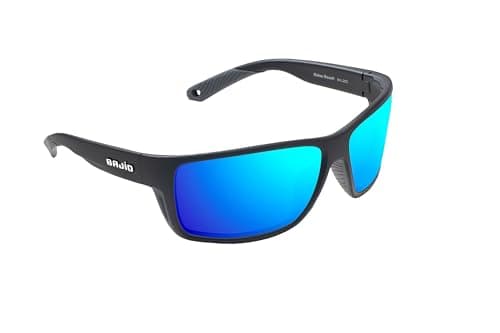
Bajío Bajío Bales Beach (Glass)
Bajío Bales Beach (Glass)

The flats-fishing specialist's pick — glass lenses with a blue-light filter, full coverage.

Flats and bright-water sight-fishing
8.4
$210.39Amazon
03
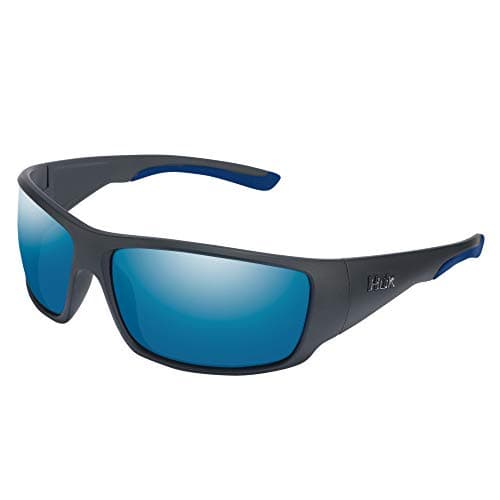
Huk Huk Spearpoint (Polarized)
Huk Spearpoint (Polarized)

A capable polarized fishing wrap from a fishing-apparel brand, at a mid price.

A step up from budget without Costa money
7.6
$59.99Amazon

#ad · Live prices from the Amazon Product API, as of Jul 22, 2026. Where we have no verified live price, we show none — we would rather leave a gap than print a number that has rotted.

In detail

The review

01
Costa Del Mar Costa Fantail 580P

Sight-fishing and time on the water

Costa Fantail 580P

580P polarizedPolycarbonateHydrolite gripVented
8.4/10

The fishing default. The 580 lens is built to pull fish out of glare, and it does.

Glare control
10
Optics
9
Fit & coverage
9
Durability
8
Value
6

Pros

  • Costa's 580 lens filters yellow light to lift contrast — copper/green tints make fish and structure pop against surface glare
  • Hydrolite nose and temple pads grip harder the wetter they get, which is the whole game on a boat
  • 580P (polycarbonate) is the lighter, more impact-resistant option versus the pricier 580G glass

Cons

  • Polycarbonate scratches more easily than Costa's 580G glass — the glass is clearer but heavier and dearer
  • A real premium over budget fishing wraps that also filter glare competently

Don't buy this if…

you fish twice a year off a dock. The 580 lens earns its keep for people who sight-fish; occasional users get most of the benefit from a $30 polarized wrap.

$212.00View on Amazon

Price as of Jul 22, 2026. Prices change — Amazon's is the one that counts.

#ad · we may earn a commission from this link to Costa Fantail 580P

02
Bajío Bajío Bales Beach (Glass)

Flats and bright-water sight-fishing

Bajío Bales Beach (Glass)

LAPIS glass lensPolarizedBlue-light filterFull wrap + vents
8.4/10

The flats-fishing specialist's pick — glass lenses with a blue-light filter, full coverage.

Glare control
10
Optics
10
Fit & coverage
9
Durability
8
Value
5

Pros

  • Bajío's LAPIS coating targets blue light specifically, which is the wavelength that washes out a fish on a bright flat
  • Glass lenses give the truest optics here and resist scratches better than any polycarbonate
  • Vented full wrap kills side glare and fogs less than a sealed frame

Cons

  • Glass is heavier on the nose over a long day than Costa's 580P
  • Premium price, and the brand is less of a household name than Costa (which is the point, to some buyers)

Don't buy this if…

you need impact resistance above all — a stray hook or a dropped pair fares better with polycarbonate than glass.

$210.39View on Amazon

$269.0022% off

Price as of Jul 22, 2026. Prices change — Amazon's is the one that counts.

#ad · we may earn a commission from this link to Bajío Bales Beach (Glass)

03
Huk Huk Spearpoint (Polarized)

A step up from budget without Costa money

Huk Spearpoint (Polarized)

PolarizedMirror coatingPerformance frameUV400
7.6/10

A capable polarized fishing wrap from a fishing-apparel brand, at a mid price.

Glare control
8
Optics
7
Fit & coverage
8
Durability
7
Value
8

Pros

  • Sits in the gap between $25 budget wraps and $200 Costas — polarized, mirrored, and built for water
  • Lighter and more wrap-shaped than a lifestyle frame, so side glare is controlled
  • Huk knows the fishing customer; the fit and grip are tuned for it

Cons

  • Lens contrast doesn't match Costa's 580 or Bajío's LAPIS glass for pulling fish out of surface glare
  • Coatings are the first thing to wear at this price point

Don't buy this if…

you sight-fish seriously and can stretch the budget — the premium fishing lenses genuinely see more, and that's the whole reason to spend up.

$59.99View on Amazon

Price as of Jul 22, 2026. Prices change — Amazon's is the one that counts.

#ad · we may earn a commission from this link to Huk Spearpoint (Polarized)

Costa, and the lens that made the name

Costa Del Mar is a fishing brand first and a sunglasses brand second, and the distinction matters. The whole company is built around one idea — helping you see into the water — and its 580 lens is the expression of it. Where most sunglasses just cut glare, Costa tunes the lens to lift fish and structure out of surface glare, and that is why the brand became the near-default on flats boats and bass rigs. It is a genuine tool, priced like one.

What Costa gets right

The 580 lens does real, verifiable work. Costa filters out a slice of yellow light around the 580-nanometer band to boost the contrast between a fish and its background, and copper and green tints make structure pop against surface glare in a way a plain polarized lens simply does not. Beyond the lens, Costa builds for the environment: Hydrolite nose and temple pads grip harder the wetter they get, and vented full-wrap frames keep side glare out and fogging down. On a boat in spray, those details are the difference between a pair that stays put and one you are constantly wiping and pushing up.

  • The 580 lens genuinely lifts contrast for sight-fishing — this is the one category where the premium marketing is mostly true.
  • Hydrolite grip and vented wraps are purpose-built for wet, bright conditions.
  • A choice of 580P (polycarbonate) for light impact resistance or 580G (glass) for the clearest, most scratch-resistant optics.

For how Costa sits against the other water brands — the glass specialists and the mid-priced fishing wraps — our best fishing sunglasses roundup ranks them on the only thing that matters on the water: pulling fish out of glare.

The tint you pick matters as much as the frame

Costa sells the 580 lens in a range of tints and mirror finishes, and choosing the right one for your water does more for your fishing than any logo. Copper and amber base tints are the versatile all-rounders for the variable light of inshore and freshwater, green mirror shines in bright open water, and gray mirror is the most neutral, high-glare option. The mirror coating on top knocks down overhead brightness on the flats without changing the base tint's contrast work. Get that choice wrong and an expensive Costa can underperform a cheaper pair wearing the right tint; get it right and the 580 lens does exactly what the brand promises. We break the whole decision down by water and light in our lens color guide, and it is worth five minutes before you spend Costa money.

What Costa gets wrong (or asks you to pay for)

The honest catch is price. Costa commands a real premium over budget fishing wraps that also filter glare competently, and for an occasional angler that premium is hard to justify. The other trade is material: 580P polycarbonate is lighter and more impact-resistant but scratches more easily than the pricier, heavier 580G glass. And like every polarized lens, a Costa dims LCD screens — a nuisance at the gas pump or reading a boat's chartplotter. None of these are defects; they are the trade-offs any serious fishing lens carries.

The lens and frame tech, explained honestly

Two things are happening in a Costa lens. First, polarization: the filter blocks the horizontally aligned light reflecting off the water's surface, removing the mirror between you and the fish. Second, and this is the part budget lenses skip, the 580 tint selectively cuts a band of yellow light to sharpen contrast. That contrast tuning is what you are actually paying up for — the polarization alone is available on a $30 pair. Which tint to run depends on your water and light, and getting that choice right matters more than the logo; our best lens color for fishing guide walks through copper, amber, green and gray by condition.

How Costa's pricing compares

Costa sits at the premium end of fishing eyewear alongside the glass specialists, and well above the mid-priced and budget wraps. What the extra money buys is the 580 contrast lens, purpose-built grip and coverage, and a frame made to live on the water. A mid-priced fishing wrap gets you polarization and a water-ready frame for considerably less but without the contrast tuning; a $30 pair gets you the glare cut and nothing else. Whether Costa's gap is worth it comes down entirely to how much time you spend actually sight-fishing.

Are Costa sunglasses worth it?

If you fish seriously and often, yes. The 580 lens genuinely helps you see more fish and more structure, the grip and coverage are built for spray, and the frames last. Anglers frequently say the lens changed how much they see on the water, and for once the enthusiasm tracks what the lens is actually engineered to do. For a dedicated angler, Costa is a tool that earns its keep.

Who should skip Costa

Skip Costa if you fish a couple of times a year off a dock — a $30 polarized wrap gets you most of the benefit and you will not mourn losing it overboard. Skip it if you tend to lose or sit on sunglasses; this is not the pair to gamble. And skip it if you want one frame for the water and the golf course, because the 580 lens is tuned for water, not for reading greens. If your use is really everyday glare rather than fishing, our polarized vs non-polarized guide will help you decide how much lens you actually need.
How we picked

We don't run a testing lab

We compile each pair's published specifications — lens material, polarization, coating, frame material, coverage, UV rating and price — normalize them, and score each against a published rubric. The scores are judgments from documented research; they are notmeasurements we took, because we don't own a lab and we're not going to pretend we do. Pairs we claim to have lab-tested: 0.

Questions

Frequently asked

Are Costa sunglasses worth the money?
If you sight-fish regularly, yes. The 580 lens lifts fish and structure out of surface glare in a way a budget polarized lens does not, and the grip and build are made for the water. If you fish occasionally, a $30 polarized wrap gives you most of the benefit for a fraction of the price.
Do Costa sunglasses scratch easily?
It depends on the lens. The 580P polycarbonate lens is light and impact-resistant but scratches more easily, so keep it in the case. The 580G glass lens is far more scratch-resistant and optically clearer, at the cost of extra weight and a higher price. Choose based on whether you value toughness and light weight or clarity and scratch resistance — see the trade-off in our fishing roundup.
What does Costa's 580 lens actually do?
Two things. It polarizes, blocking the surface glare that hides fish, and it filters a band of yellow light around 580 nanometers to boost contrast, which makes fish and structure stand out against the water. The polarization is common to any polarized lens; the contrast tuning is what you pay Costa for. Costa explains the technology on its official 580 page.
Costa 580P or 580G — which lens should I buy?
580P is polycarbonate: lighter, more impact-resistant, and the better call if you are active or worried about dropping them. 580G is glass: the clearest optics and the most scratch-resistant, but heavier on the nose over a long day and more likely to break if dropped. Neither is wrong; it is a weight-and-toughness versus clarity-and-scratch-resistance decision.
Do I need Costa sunglasses to fish, or will a cheaper polarized pair do?
You do not need Costa to fish — any polarized lens removes surface glare and helps you see into the water. What Costa adds is contrast tuning that lifts fish and structure out of tricky light, plus water-ready grip and coverage. For occasional anglers a budget polarized wrap is plenty; heavy sight-fishers are the ones who benefit from the premium. Our fishing roundup covers both ends.

Keep reading

Receipts

Sources

We do not run a testing lab, and we do not pretend to. Where a spec or measurement came from a manufacturer or a third party, we name and link it. Where we could not verify something, we say so on the page rather than quietly leaving it out. Read our full method.