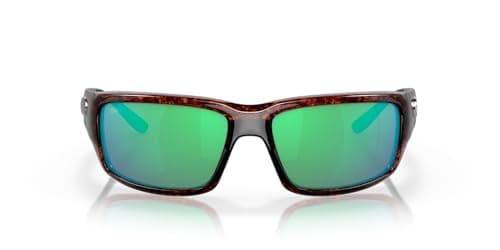
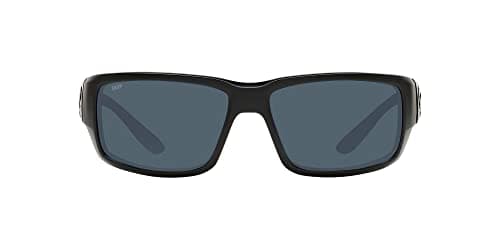
If you fish, or spend real hours on or beside water, Costa is worth the money — the 580 lens is a genuine engineering answer to a specific problem rather than a marketing name, and it is the clearest case for a premium lens we cover. If you want sunglasses for driving, walking around and the occasional beach, you are buying a specialist tool for a general job, and the picks lower down do it for a fraction.
Two things buyers commonly get wrong about this brand, both answered below: they assume some Costas are not polarized (all of them are), and they assume the warranty is still the lifetime one it used to be (it is not). Both change the value calculation. If you want the brand assessed as a whole with picks, that is our Costa sunglasses review.
1. Are all Costa sunglasses polarized? Yes
Costa publishes 100% polarization and 100% UV blocking across its sunglass lenses — there is no non-polarized Costa sunglass line, in either lens material. So the choice you are actually making is not whether to get polarized, it is which material and tint.
The naming is simpler than it looks once you know the convention: the letter after the model number tells you the material. 580G is glass; 580Pis polycarbonate. Everything else — the polarization, the UV blocking, the 580 filter itself — is common to both.
2. What the 580 lens actually does
The number is the wavelength. Costa's lens filters light at 580 nanometers, the harshest yellow band, so that reds, greens and blues stand apart more distinctly instead of being flattened into a general glare. The same reference records Costa's stated 99.9% polarization efficiency.
That is a narrower and more useful claim than most lens marketing makes. It is not "everything looks better"; it is "the specific contrast that separates a fish, a rock or a drop-off from the surface glare above it is amplified." On water that is worth real money. On a sidewalk it is worth very little.
The material choice matters as much as the tint. Costa publishes the 580G glass as 20% thinner and 22% lighter than other polarized glass, with its mirrors encapsulated between the glass layers so they cannot be worn off, and the 580P polycarbonate as carrying a "C-WALL" molecular bond that makes it more scratch-resistant than ordinary polycarbonate. Costa itself says the polycarbonate is the one to choose "if you're wearing them for sports" , which is the honest framing: glass for clarity from a stable position, polycarbonate for anywhere a hook, a fall or a dropped pair is plausible. The material argument in full is in best glass lens sunglasses.
3. The warranty change most buyers have not noticed
This one genuinely changes the arithmetic, and it is not well advertised. Costa's published warranty terms changed in late 2022: pairs bought on or after November 3, 2022 carry a two-year limited warranty against manufacturing defects, where purchases before that date carried a lifetime one.
If part of your reason for buying Costa was "they will fix them forever," check the current terms before you commit rather than relying on what a friend told you in 2019. It does not make the lens worse. It does move Costa closer to its competitors on the ownership side of the value case, and a buyer weighing a premium purchase deserves to know that before paying, not after.
4. Where Costa is the wrong buy
General everyday wear. A lens engineered to see into water is a specialist instrument. For driving to work and walking the dog it is expensive and no more comfortable than a mid-price polarized pair.
Anything with a screen.Every Costa is polarized, and polarization dims LCD panels at some head angles — a real nuisance for a boat chartplotter or a phone, and a genuine problem on a bike. See do polarized sunglasses block screens.
If you are hard on sunglasses. Two years of defect cover and a premium price is the wrong combination for someone whose pairs live loose in a tackle bag. Buy two mid-price pairs and rotate them.
5. Alternatives at each price point
Ranked below the two Costas: the three honest ways to spend less without giving up the thing you wanted.
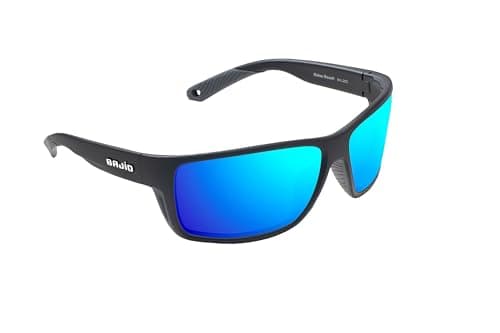
The specialist alternative.Bajío attacks the same problem from the other end — its LAPIS lens blocks the short blue wavelengths that scatter into haze over bright water as well as the yellow band Costa targets. On a bright flat, it is a legitimate rival rather than a cheaper imitation, and it is glass. The head-to-head is in Costa vs Bajío.
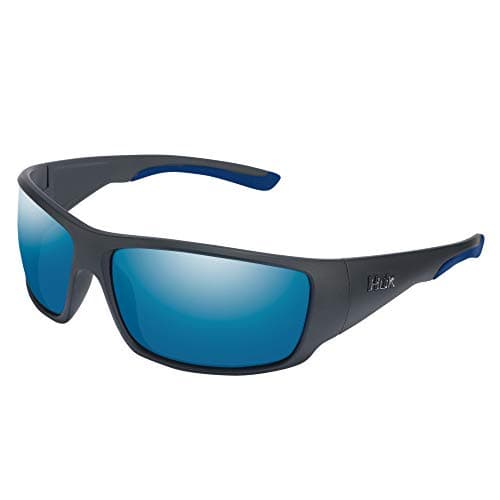
The mid-price fishing answer.A dedicated fishing wrap from a fishing brand gets you polarization, coverage and grip built for a wet deck at a fraction of the premium — you give up the tuned contrast and the coating longevity, not the glare control.
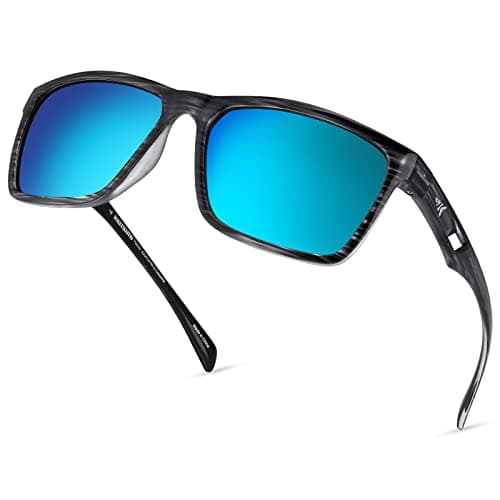
The honest budget answer. A well-made budget polarized fishing pair removes glare properly, floats or leashes cheaply, and costs little enough that dropping one over the side is annoying rather than ruinous. If you fish a few times a year, this is the correct purchase and we would rather say so. The full field is in our fishing sunglasses roundup.
How we assessed this
Costa's published lens and warranty claims, cited inline and listed at the bottom. Scores come from the rubric on how we rate: judgments compiled from published specifications, not lab measurements. We do not run a lab, we have not fished in these, and no brand pays for placement here. Prices update from the retailer automatically.
Buy Costa if / skip Costa if
Buy if you are on the water regularly
Sight-fishing, flats, rivers, a boat most weekends. This is the one use where the 580 tuning is doing measurable work for you rather than sitting on a spec sheet.
Buy 580P, not 580G, if you move around
Costa says the polycarbonate is the sports choice, and it is right. Glass is clearer and heavier and shatters. Wading, casting and boat chop all argue for polycarbonate.
Check the warranty before you assume it
The lifetime warranty applies to purchases before November 3, 2022. Newer purchases carry two years. Verify the current terms rather than the reputation.
Skip for general everyday wear
You are buying a water instrument for pavement use. A mid-price polarized pair is just as comfortable and no worse for the job you are actually doing.
Skip if you fish a few times a year
A budget polarized fishing wrap plus a floating retainer costs a small fraction and delivers the glare control you actually came for.