Skip to content
PolarizedClub

Lenses · Material

The Best Glass Lens Sunglasses

Glass is the clearest, hardest lens material sold. It is also the heaviest and the one that shatters — which is why the right answer depends entirely on where you wear them.

By Stephen V.Updated How we rate
#ad

We earn a commission when you buy through our Amazon links, at no extra cost to you. It never affects our rankings, and we say so when the cheaper pair is the better buy. How this works.

Buy glass if you sight-fish, drive a lot, or simply want the sharpest, most scratch-resistant lens money buys and do not mind the weight. The Bajío Bales Beach is our pick for the water because the LAPIS glass pairs optical clarity with a blue-light filter; the Costa Fantail 580G is the same argument in the best-known fishing frame; the Serengeti Masten is the cheapest honest way into mineral glass. Do not buy glass for cycling, running, ball sports or anywhere a stray impact is plausible.

Lens material is the specification buyers think about least and it changes more about the experience than tint color does. There are three materials in practice: polycarbonate (almost everything), CR-39 or acrylic (cheap fashion frames), and mineral glass (the premium end of fishing and driving eyewear). They are genuinely different objects with different failure modes.

1. What glass actually gives you

Optical clarity. Glass has a higher optical density and lower inherent distortion than polycarbonate, and the difference is most obvious at the edges of the lens and when resolving fine detail at distance. Reading the surface of water for a shadow, or a road surface at speed, is exactly where it shows. It is not a subtle difference to people who do those things.

Scratch resistance. This is the bigger practical benefit for most owners. Glass is dramatically harder than any coated plastic, and a glass lens still looks new after years of the pocket-and-dashboard life that hazes a polycarbonate lens in a season. If you have replaced sunglasses because they went cloudy rather than because they broke, glass solves your actual problem.

It does not yellow or craze. Plastic lenses and their coatings age. Glass does not.

2. What glass costs you

Weight. Glass is meaningfully heavier on the nose, and over an eight-hour day that is not nothing. Every brand that sells both offers the polycarbonate version partly for this reason.

It shatters.This is the important one and it is a safety point rather than a preference. Polycarbonate is the material used in impact-rated safety eyewear because it absorbs an impact by flexing. Glass fails by breaking, and it breaks in front of your eye. That is why we say plainly: do not wear glass lenses for cycling, mountain biking, running on trails, racquet sports, baseball or anywhere a ball, a branch or a stone could reach your face. The sport eyewear pages on this site all specify polycarbonate for exactly that reason — see sunglasses vs safety glasses.

Cost.Glass sits at the top of most brands' ranges, usually a clear step above the same frame in polycarbonate.

3. Glass versus polycarbonate, decided by use

Fishing from a boat or a bank:glass, if you can carry the weight. Sight-fishing is a resolving-detail task and the clarity earns its keep. Fly fishing near hooks is the honest exception — a hook strike on glass ends badly.

Driving: glass is excellent. There is no impact risk in normal driving, you are resolving detail at distance, and the frame sits still on your face so weight matters less.

Everyday and travel: glass if you keep sunglasses for years, polycarbonate if you lose them. Scratch resistance is the deciding factor and it favors whoever holds on to things.

Any sport with speed or projectiles: polycarbonate, without exception.

4. What "580G" and "LAPIS" actually mean

Two of the picks here carry brand lens names that are worth decoding. Costa's 580 lens technology refers to filtering light at 580 nanometers to lift contrast; the trailing letter is the material, with G for glass and P for polycarbonate. So a 580G and a 580P are the same optical philosophy in two different materials, and the choice between them is exactly the choice this page is about.

Bajío's LAPIS is a blue-light filtering treatment the brand publishes as targeting the wavelength that washes out a fish on a bright flat, offered on glass lenses. Serengeti's mineral lenses combine glass with a photochromic tint that shifts with the light.

As always: these are the makers' published claims, described accurately and not ranked against each other by us. We do not own a lab, and a confident head-to-head of contrast tints from anyone who does not measure them is an opinion in a lab coat. What tints do in general is in lens colors explained.

5. Glass does not change UV or polarization

Worth stating because glass is sold as premium and premium implies better protection. It is not. UV blocking is a binary property of the lens as specified, and the American Optometric Association standard is 100% UVA and UVB whatever the material. Polarization is likewise a layer that is either present or not. A $25 polycarbonate UV400 polarized lens protects your eyes exactly as well as any lens on this page.

How we ranked these

Optical clarity first, then how well the tint suits the stated use, then weight, then price. Every pick here is genuinely glass — we did not pad the list with polycarbonate lenses that sound premium. Scores come from the rubric on how we rate: judgments compiled from published specifications, not measurements we took.

The short answer

Quick picks

#ProductBest forScorePrice
01
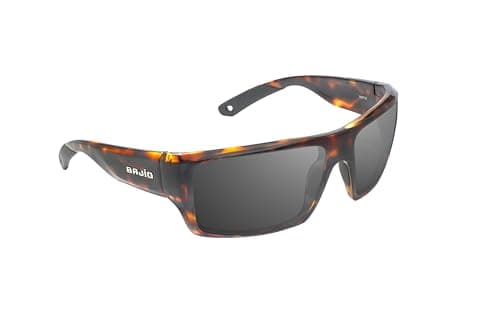
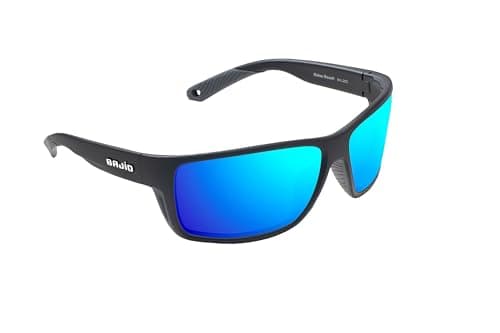
Bajío Bajío Bales Beach (Glass)
Bajío Bales Beach (Glass)

The flats-fishing specialist's pick — glass lenses with a blue-light filter, full coverage.

Flats and bright-water sight-fishing
8.4
$204.87Amazon
02
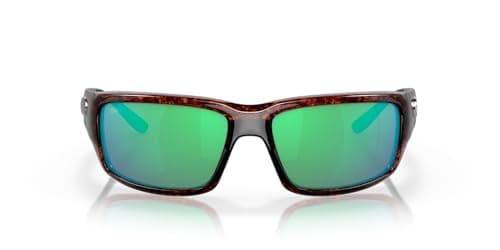
Costa Del Mar Costa Fantail 580G (Glass)
Costa Fantail 580G (Glass)

The same Fantail frame with the glass lens — the clearest, most scratch-resistant thing Costa sells.

Glass optics in a fishing frame
8.2
$236.80Amazon
03
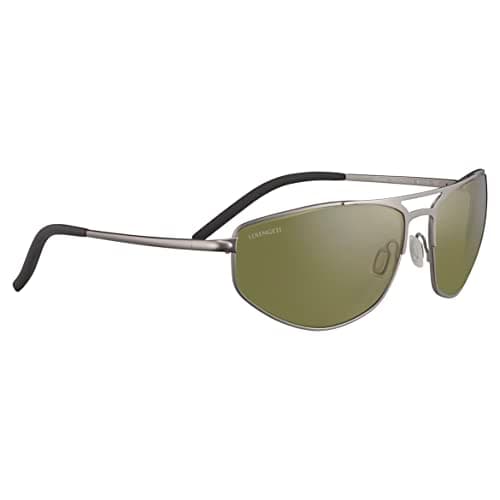
Serengeti Serengeti Masten (Mineral Polarized)
Serengeti Masten (Mineral Polarized)

Mineral glass and a photochromic 555nm tint at roughly half what the fishing-glass brands charge.

The cheapest honest way into glass
7.8
$119.00Amazon
04
Bajío Bajío Los Natos (LAPIS Glass)
Bajío Los Natos (LAPIS Glass)

Bajío's lifestyle shape with the same flats-grade glass lens — the boat-to-bar pick.

Bajío optics in an everyday frame
8.0
$269.00Amazon

#ad · Live prices from the Amazon Product API, as of Sep 5, 2026. Where we have no verified live price, we show none — we would rather leave a gap than print a number that has rotted.

In detail

The picks, in full

01
Bajío Bajío Bales Beach (Glass)

Flats and bright-water sight-fishing

Bajío Bales Beach (Glass)

LAPIS glass lensPolarizedBlue-light filterFull wrap + vents
8.4/10

The flats-fishing specialist's pick — glass lenses with a blue-light filter, full coverage.

Glare control
10
Optics
10
Fit & coverage
9
Durability
8
Value
5

Pros

  • Bajío's LAPIS coating targets blue light specifically, which is the wavelength that washes out a fish on a bright flat
  • Glass lenses give the truest optics here and resist scratches better than any polycarbonate
  • Vented full wrap kills side glare and fogs less than a sealed frame

Cons

  • Glass is heavier on the nose over a long day than Costa's 580P
  • Premium price, and the brand is less of a household name than Costa (which is the point, to some buyers)

Don't buy this if…

you need impact resistance above all — a stray hook or a dropped pair fares better with polycarbonate than glass.

$204.87View on Amazon

$269.0024% off

Price as of Sep 5, 2026. Prices change — Amazon's is the one that counts.

#ad · we may earn a commission from this link to Bajío Bales Beach (Glass)

02
Costa Del Mar Costa Fantail 580G (Glass)

Glass optics in a fishing frame

Costa Fantail 580G (Glass)

580G glass lensPolarizedHydrolite gripVented frame
8.2/10

The same Fantail frame with the glass lens — the clearest, most scratch-resistant thing Costa sells.

Glare control
10
Optics
10
Fit & coverage
9
Durability
7
Value
5

Pros

  • Glass resolves detail more cleanly than polycarbonate and is far harder to scratch — the two reasons anyone pays for glass
  • Costa's 580 filter cuts yellow light to lift contrast, which is what separates a fish from surface glare
  • Identical frame to the 580P Fantail, so the fit and the Hydrolite grip are known quantities

Cons

  • Noticeably heavier on the nose than the 580P version over a full day
  • Glass shatters where polycarbonate flexes — the wrong lens for anywhere a hook or a fall is likely

Don't buy this if…

you fish from a moving boat in chop or keep your sunglasses loose in a bag. Glass buys you clarity and scratch resistance, and it charges you weight and fragility for both.

$236.80View on Amazon

$296.0020% off

Price as of Sep 5, 2026. Prices change — Amazon's is the one that counts.

#ad · we may earn a commission from this link to Costa Fantail 580G (Glass)

03
Serengeti Serengeti Masten (Mineral Polarized)

The cheapest honest way into glass

Serengeti Masten (Mineral Polarized)

Mineral glass lensPolarized555nm contrast tintPhotochromic range
7.8/10

Mineral glass and a photochromic 555nm tint at roughly half what the fishing-glass brands charge.

Glare control
9
Optics
9
Fit & coverage
6
Durability
8
Value
7

Pros

  • Mineral glass at a mid-market price — most glass lenses on this site cost twice as much
  • The 555nm tint targets the wavelength the eye resolves best, which reads as a lift in contrast rather than a color cast
  • The lens darkens and clears with the light, so one pair covers a bright afternoon and an overcast morning

Cons

  • A driving and everyday frame, not a sport wrap — coverage is modest and there is no grip material
  • Photochromic glass is slower to clear in the cold than a plastic photochromic lens

Don't buy this if…

you want a wrap for the water or the bike. This is a lifestyle frame that happens to carry a serious lens, and side light gets straight past it.

$119.00View on Amazon

Price as of Sep 5, 2026. Prices change — Amazon's is the one that counts.

#ad · we may earn a commission from this link to Serengeti Masten (Mineral Polarized)

04
Bajío Bajío Los Natos (LAPIS Glass)

Bajío optics in an everyday frame

Bajío Los Natos (LAPIS Glass)

LAPIS glass lensPolarizedBlue-light filterLifestyle shape
8.0/10

Bajío's lifestyle shape with the same flats-grade glass lens — the boat-to-bar pick.

Glare control
10
Optics
10
Fit & coverage
7
Durability
8
Value
5

Pros

  • Gets Bajío's blue-light-filtering glass lens into a frame you can wear off the water without looking like you just docked
  • Glass optics are the clearest and the most scratch-resistant option in the catalog
  • A genuine premium alternative to the two brands everyone already owns

Cons

  • Glass is heavier on the nose across a long day than polycarbonate
  • A lifestyle shape gives up the side coverage and venting of the brand's full wraps

Don't buy this if…

you want maximum coverage on a bright flat. The full-wrap Bales Beach is the better fishing tool; this is the pair for the rest of your life.

$269.00View on Amazon

Price as of Sep 5, 2026. Prices change — Amazon's is the one that counts.

#ad · we may earn a commission from this link to Bajío Los Natos (LAPIS Glass)

Buying a glass lens

1. Decide on impact risk first

If anything could hit your face — ball, branch, stone, hook — stop here and buy polycarbonate. This is the one rule on the page that is not a preference.

2. Accept the weight

Glass is heavier and you will feel it after several hours. A well-fitting frame mitigates it; nothing removes it.

3. Read the material letter, not the model name

Costa 580G is glass; 580P is polycarbonate. Same frame, same optical philosophy, different material.

4. Glass earns its money over years

Scratch resistance is the benefit you actually notice. If you lose sunglasses annually, buy plastic.

5. Do not pay extra expecting better UV

UV protection and polarization are identical at every price and in every material.
The cheap stuff that matters

Essentials under $40

The add-ons this page already told you to get. None of these is scored — our rubric measures glare control, optics, fit, durability and value, and four of those mean nothing for a cleaning cloth. So you get a reason and a live price instead of a number we'd have had to invent.

  • MagicFiber

    MagicFiber Microfiber Cleaning Cloths (6-pack)

    Buy a multipack for one reason: a dirty microfiber cloth is sandpaper. Six means you can retire the gritty one instead of rubbing it across a lens.

  • Koala

    Koala Eyeglass Lens Cleaner Spray Kit (4-piece)

    A lens-safe spray for when there is no tap. Sold specifically for coated lenses, which is the point — it is the household glass cleaners that attack coatings.

  • MyEyeglassCase

    MyEyeglassCase Extra Large EVA Zip Hard Case

    Sized for large and wrap frames, which is the catch with most cheap cases — a sport frame will not close in a case cut for slim readers.

#ad · Live prices as of Sep 5, 2026, hidden when our data goes stale. We may earn a commission, at no cost to you. How this works.

How we picked

We don't run a testing lab

We compile each pair's published specifications — lens material, polarization, coating, frame material, coverage, UV rating and price — normalize them, and score each against a published rubric. The scores are judgments from documented research; they are notmeasurements we took, because we don't own a lab and we're not going to pretend we do. Pairs we claim to have lab-tested: 0.

Questions

Frequently asked

Are glass lens sunglasses better?
Better at two specific things: optical clarity and scratch resistance. Worse at two others: weight and impact safety. For fishing, driving and long-term everyday ownership glass is genuinely superior. For any sport with speed or projectiles it is the wrong material, because glass shatters where polycarbonate flexes.
What is the difference between Costa 580G and 580P?
The material. Both use Costa's 580 filtering approach, but G is glass and P is polycarbonate. The glass version is clearer and much harder to scratch; the polycarbonate version is lighter and far more impact-resistant. Same frame, same optical philosophy, different trade.
Do glass sunglasses lenses break easily?
They resist scratching far better than plastic but they fail by shattering rather than flexing, and that failure happens directly in front of your eye. Do not wear glass lenses for cycling, trail running, racquet sports or ball sports — the safety comparison is in this guide.
Are glass lenses heavier?
Yes, noticeably, and it is the main reason brands that offer both keep selling the polycarbonate version. Over a full day on the water the weight is the most common reason people go back to plastic despite preferring the glass optics.
Do glass lenses give better UV protection?
No. UV blocking is a specified property of the lens rather than a consequence of the material, and the standard to look for is 100% UVA and UVB, the same at every price. See UV protection explained.

Keep reading

Receipts

Sources

We do not run a testing lab, and we do not pretend to. Where a spec or measurement came from a manufacturer or a third party, we name and link it. Where we could not verify something, we say so on the page rather than quietly leaving it out. Read our full method.