Skip to content
PolarizedClub

Brand question · Bajío

Are Bajío Sunglasses Good?

Yes — at one specific job, better than almost anything. For everything else you are paying a specialist premium for a specialization you will not use. Here is the line between the two, with Bajío's own published numbers.

By Stephen V.Updated How we rate
#ad

We earn a commission when you buy through our Amazon links, at no extra cost to you. It never affects our rankings, and we say so when the cheaper pair is the better buy. How this works.

Yes, if you sight-fish on bright water. No, for almost everything else. Bajío is one of the few premium eyewear brands where you can point at exactly what the money buys — a lens built to strip out the specific wavelengths that hide a fish on a bright flat — and that same precision is why it is a poor buy for driving, errands and holidays, where a pair costing a tenth as much removes the same surface glare.

This page is the verdict, not the tour. If you want the brand walked through model by model, that is our Bajío sunglasses review. What follows is the part that decides whether you should spend the money: what Bajío publishes about its lens and which of those claims we can and cannot check, the two decisions inside the brand that most buyers get wrong, one warranty clause that matters more here than at almost any other brand on this site, and the honest cheaper alternatives — including ones that earn us less than a Bajío sale does.

1. The short answer, by buyer

Buy Bajío ifyou spend real hours hunting fish you have to see before you cast — flats, shallow water, sight-casting, tournament scanning. The whole product is aimed at that one buyer, and it hits.

Do not buy Bajío if you want one good pair for driving and vacations, if you fish a few times a year off a dock, or if you are hard enough on gear that you lose a pair a season. In those cases the premium is real money spent on a capability you will never call on. We make the same argument about the whole premium tier in are expensive sunglasses worth it.

The honest middle. There is a large group of anglers who fish often, care about seeing into the water, and would be perfectly well served by a lens costing a third as much. We rank one of those below on the same page as the Bajíos, on purpose.

2. What LAPIS actually claims to do, with the numbers

Most lens marketing is unfalsifiable. Bajío's is unusually specific, which makes it worth quoting rather than paraphrasing. On its lens technology page the brand states that "by blocking 95% of blue light up to 445 nm, our sunglasses are the clearest lenses available." Its blue-light page adds the other half: "our lenses block 90% of harsh yellow."

The reasoning behind those two numbers is what separates Bajío from a brand selling you a dark lens. Bajío splits blue light in two. It calls 445–500 nm "good blue" — the part that carries useful detail — and 400–445 nm "bad blue," the short-wavelength end that scatters hardest in the atmosphere and in the water column and reaches your eye as haze. Cut the bad blue and the harsh yellow around 580 nm, leave the rest, and in principle what remains is more contrast between a fish and the bottom. When the brand launched its prescription program, trade press reported the same claim as "95% of blue light up to 440 nm and the majority of intense yellow light at its peak of 580 nm."

That sits on top of polarization rather than replacing it — two different mechanisms, stacked. Polarization removes the mirror between you and the water; Bajío describes its lenses as working "like venetian blinds to eliminate glare, increase depth perception and contour." The blue-light filter then improves what you can see once that mirror is gone. If the distinction is new to you, start with polarized vs non-polarized.

What we will not tell you.We have not measured a transmission curve, and nobody should read "the clearest lenses available" or "they block more blue light than any other brand on the market" as anything other than the manufacturer's own marketing. Those are Bajío's claims about Bajío. What we can say is that the mechanism is coherent, the numbers are published rather than hinted at, and the filter is genuinely different in intent from Costa's yellow-light approach — a comparison we take apart in Costa vs Bajío. The standard we hold every lens claim to is set out on how we rate.

One gap worth flagging, because it is the question people ask next: on the lens pages we fetched, Bajío does not headline a UV transmission figure the way it headlines its blue-light numbers. UV protection and glare control are separate features, and the standard to look for is UV400 — see UV protection explained. If it matters to you, ask before you buy rather than assuming.

3. Decision one: glass or polycarbonate

This is the choice most Bajío buyers get wrong, and it is easy to get wrong because the two versions look identical in a photograph. Every frame in the line is sold with either a glass or a polycarbonate LAPIS lens, and the lens technology is the same in both. Bajío lists the glass version at the higher of its two price tiers across the entire range — but marketplace discounting routinely scrambles that, and we have watched a discounted glass pair undercut the poly version of the same frame on the same day. Check both prices above before you decide; never assume the more expensive one on the page is the glass.

Bajío is refreshingly blunt about the trade, in its own words: "Glass is harder and more scratch-resistant, which is great for wild, action-packed battles. However, glass is heavier. Polycarbonate lenses are impact-resistant and lightweight, which makes a big difference for long days on the water, yet they will scratch easier than glass."

Our read: most anglers should buy the polycarbonate and put the difference toward almost anything else. Glass earns its keep if your sunglasses live loose on a console and get wiped with a shirt tail, because abrasion is how a poly lens dies. It is the wrong lens if there is a fly line, a hook or a gunwale anywhere in your day, and it is heavier on the bridge of your nose in hour nine. The wider argument about glass as a material — across brands, not just this one — is in best glass lens sunglasses.

We rank both versions of the same frame below precisely so the choice is visible rather than buried in a colorway dropdown.

4. Decision two: which lens color

Bajío sells seven lens colors, all polarized, and publishes a light-transmission figure for each — which is more than most brands do and makes the choice tractable. Lower transmission means a darker lens for brighter light:

  • Violet mirror, 22% LT— the lightest. Bajío puts it at "morning skiff runs, last light hatches, driving in thunderstorms."
  • Rose mirror, 18% LT— low light leaning bright, and the one the brand calls the "sight caster special" for fish that blend into the bottom.
  • Copper, 14% LT— no mirror, medium light. Bajío calls it "the OG lens," and copper was the original fishing tint.
  • Silver mirror, 14% LT— a copper base under a silver mirror, aimed at rivers, lakes and the stillwater in between.
  • Green mirror, 12% LT— amber base, bright light. Bajío's own pick if it could keep only one: "the king of all lenses."
  • Gray, 12% LT— bright light with no mirror, the least conspicuous option.
  • Blue mirror, 10% LT— the darkest. "This lens has one job, spot fish in 50ft+ of water."

The practical rule is the same at every brand: pick for the light you actually fish in, not for how the mirror looks in the case. If you fish one bright fishery, take the green mirror. If you fish dawn and dusk or under heavy tree cover, the violet or the rose is the one that changes your day. Bajío also notes that a mirror finish itself reduces light transmission "by up to 2%" on top of the base tint. Our cross-brand version of this decision is in best lens color for fishing, with the general theory in sunglasses lens colors explained.

5. The warranty clause to read before you click buy

This matters more at Bajío than at most brands. Its published warranty is a "Limited Lifetime Warranty against manufacturing defects in materials and workmanship for the lifetime of the product," to the original owner. Good cover, standard shape.

Two exclusions decide whether it will ever help you. The first is the usual one, and it is why the polycarbonate-versus-glass choice above is not academic: the warranty "does not cover damage (e.g., scratches, cracks, or hinge damage) caused by accident, alteration, improper care, negligence, normal wear and tear." Scratches are how most lenses die, and they are outside the cover at every brand that offers this kind of warranty.

The second is the one to actually think about. The warranty "does not apply to products which may be obtained through aftermarket or unauthorized dealers, to any products which are purchased or received used from the original purchaser, or to products sold as factory seconds, ‘reconditioned’, ‘renewed’, ‘restored’, or similar classifications." On a marketplace listing you often cannot tell who the seller is until the box arrives. If lifetime defect cover is part of why you are paying premium money, check the seller, keep the receipt, and be ready to buy direct or from a dealer Bajío lists instead. We would rather say that plainly than hand you a link and let you find out later. Bajío also runs a 30-day return window on its own site for unworn pairs in original condition, with final-sale items excluded and shipping not refunded.

Since scratches are on you either way, the cheapest insurance is cleaning the lens properly — the method is in how to clean sunglasses, and the three things it actually calls for are listed further down this page.

6. The frames, and the size question

Bajío's fishing shapes are full wraps with venting and rubber grip surfaces. The venting is not decorative: a sealed wrap on a hot, humid flat fogs, and cutting airflow paths through the frame is the only real fix. The brand states that its frames are made from "sustainable, bio-based, high-performance nylon" and that "all of our frames, lenses, cases, and hats are free from PFAS (‘forever chemicals’)," with metal frames in stainless steel. Lenses carry an oleophobic coating Bajío says "repels water, fingerprints, skin oils, and sunscreen residue" — sunscreen being the one that genuinely ruins a fishing lens.

Fit is where an online purchase goes wrong most often. Bajío sizes its range small, medium, large and extra large, and the difference between a wrap that seals against side light and one that gaps at your temple is a size, not a brand. Measure before you choose — our guide to sunglasses sizing has the method, and it applies to any premium pair you cannot try on first.

7. Is a brand this young a safe place to spend premium money?

It is a fair question and it is part of what people mean by "are they good." Bajío launched in 2021, which makes it a fraction of the age of the brands it is priced against. What it is not is a startup with no eyewear track record: in an interview at launch CEO Al Perkinson — described there as an ex-Costa VP — said "most of our senior team worked at Costa, including our heads of sales, e-commerce and operations," with the headquarters and lens lab in New Smyrna Beach, Florida and a debut range of "12 frames and six lens options."

The consequences of being smaller cut both ways, and you should weigh them honestly. The service and dealer network is smaller than Costa's, there is far less secondhand supply and there are fewer replacement-lens options, and fewer shops will have the frame on a wall for you to try on. Against that, the range is coherent rather than sprawling, the lens choices are explained rather than obscured, and you are not paying for a logo everyone recognizes. Whether that last part is a feature or a drawback is genuinely a matter of taste. Our Costa Del Mar review covers the incumbent side of the same choice.

8. What we would buy, and what we would buy instead

The six pairs below run from the Bajío we would pick to the point where we think the spend stops making sense. The last two cost a fraction of a Bajío and earn us less; they are here because for a lot of readers they are the right answer.

How we assessed this

Every lens, material and warranty claim above is Bajío's own published statement, fetched and quoted rather than remembered, and listed in full in the sources below. Scores come from the rubric on how we rate: judgments compiled from published specifications and documented research, not lab measurements. We do not run a lab, we have not worn these, and no brand pays for placement. Every pair featured was confirmed purchasable with a live price before it was listed, and prices update from the retailer automatically rather than being typed into this page.
The short answer

Quick picks

#ProductBest forScorePrice
01
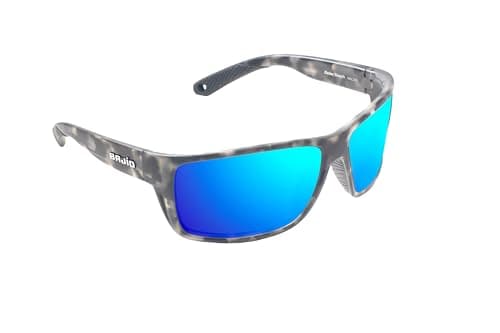
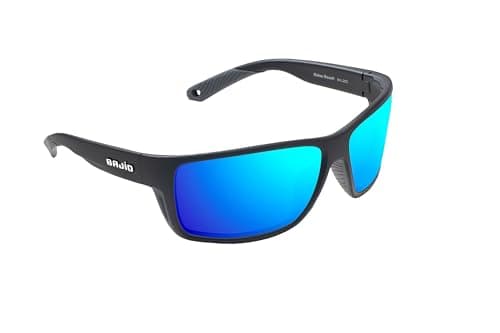
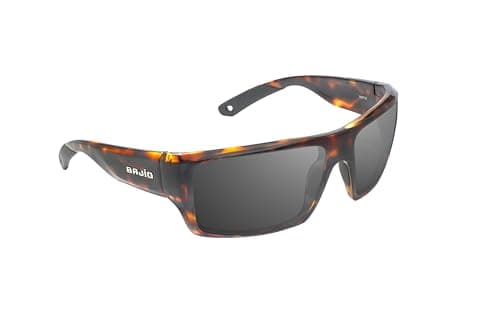
Bajío Bajío Bales Beach (Poly)
Bajío Bales Beach (Poly)

The Bajío most anglers should actually buy — same frame and same LAPIS lens, in polycarbonate.

Bajío optics without the glass weight
8.4
$219.00Amazon
02
Bajío Bajío Bales Beach (Glass)
Bajío Bales Beach (Glass)

The flats-fishing specialist's pick — glass lenses with a blue-light filter, full coverage.

Flats and bright-water sight-fishing
8.4
$252.50Amazon
03
Bajío Bajío Los Natos (LAPIS Glass)
Bajío Los Natos (LAPIS Glass)

Bajío's lifestyle shape with the same flats-grade glass lens — the boat-to-bar pick.

Bajío optics in an everyday frame
8.0
$269.00Amazon
04
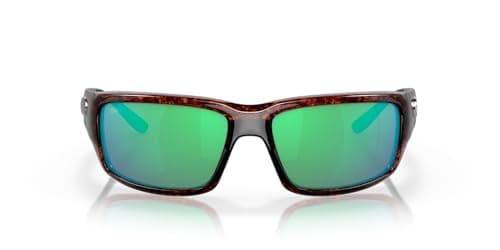
Costa Del Mar Costa Fantail 580G (Glass)
Costa Fantail 580G (Glass)

The same Fantail frame with the glass lens — the clearest, most scratch-resistant thing Costa sells.

Glass optics in a fishing frame
8.2
$296.00Amazon
05
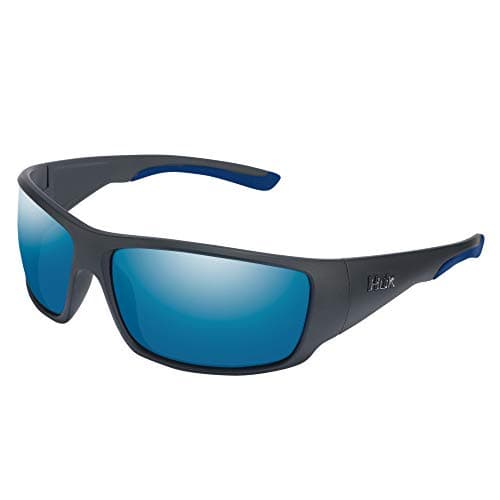
Huk Huk Spearpoint (Polarized)
Huk Spearpoint (Polarized)

A capable polarized fishing wrap from a fishing-apparel brand, at a mid price.

A step up from budget without Costa money
7.6
$58.15Amazon
06
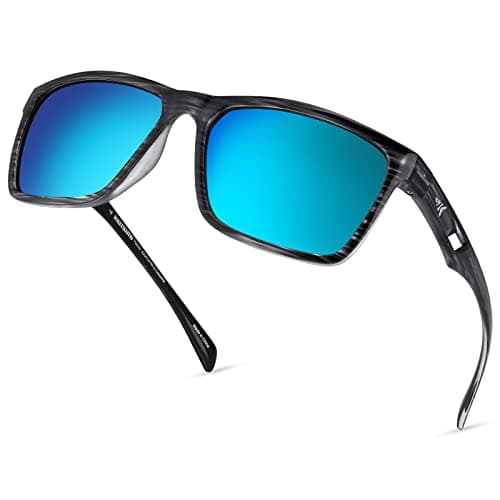
KastKing KastKing FlatRock Polarized
KastKing FlatRock Polarized

The best-value fishing pick. Polarized, floats the budget, and does the core job.

Best budget fishing pick
7.4
$25.49Amazon

#ad · Live prices from the Amazon Product API, as of Sep 22, 2026. Where we have no verified live price, we show none — we would rather leave a gap than print a number that has rotted.

In detail

The picks, in full

01
Bajío Bajío Bales Beach (Poly)

Bajío optics without the glass weight

Bajío Bales Beach (Poly)

LAPIS poly lensPolarizedBlue-light filterLarge fit full wrap
8.4/10

The Bajío most anglers should actually buy — same frame and same LAPIS lens, in polycarbonate.

Glare control
10
Optics
9
Fit & coverage
9
Durability
8
Value
6

Pros

  • Identical frame and identical LAPIS blue-light filtering to the glass Bales Beach, at Bajío's lower list tier
  • Polycarbonate is lighter on the nose over a ten-hour day and far more forgiving of a dropped pair or a stray hook
  • Vented large-fit wrap with rubber grip — the shape is built for a bright flat rather than a patio

Cons

  • Scratches more easily than the glass version, and Bajío's warranty does not cover scratches
  • Glass still resolves fine detail slightly more cleanly — if you are straining at forty feet, that gap is the reason glass exists

Don't buy this if…

scratch resistance matters more to you than weight. The glass Bales Beach is the same pair with the harder lens, and it is the better buy if your sunglasses live on a console rather than in a case.

$219.00View on Amazon

Price as of Sep 22, 2026. Prices change — Amazon's is the one that counts.

#ad · we may earn a commission from this link to Bajío Bales Beach (Poly)

02
Bajío Bajío Bales Beach (Glass)

Flats and bright-water sight-fishing

Bajío Bales Beach (Glass)

LAPIS glass lensPolarizedBlue-light filterFull wrap + vents
8.4/10

The flats-fishing specialist's pick — glass lenses with a blue-light filter, full coverage.

Glare control
10
Optics
10
Fit & coverage
9
Durability
8
Value
5

Pros

  • Bajío's LAPIS coating targets blue light specifically, which is the wavelength that washes out a fish on a bright flat
  • Glass lenses give the truest optics here and resist scratches better than any polycarbonate
  • Vented full wrap kills side glare and fogs less than a sealed frame

Cons

  • Glass is heavier on the nose over a long day than Costa's 580P
  • Premium price, and the brand is less of a household name than Costa (which is the point, to some buyers)

Don't buy this if…

you need impact resistance above all — a stray hook or a dropped pair fares better with polycarbonate than glass.

$252.50View on Amazon

$269.006% off

Price as of Sep 22, 2026. Prices change — Amazon's is the one that counts.

#ad · we may earn a commission from this link to Bajío Bales Beach (Glass)

03
Bajío Bajío Los Natos (LAPIS Glass)

Bajío optics in an everyday frame

Bajío Los Natos (LAPIS Glass)

LAPIS glass lensPolarizedBlue-light filterLifestyle shape
8.0/10

Bajío's lifestyle shape with the same flats-grade glass lens — the boat-to-bar pick.

Glare control
10
Optics
10
Fit & coverage
7
Durability
8
Value
5

Pros

  • Gets Bajío's blue-light-filtering glass lens into a frame you can wear off the water without looking like you just docked
  • Glass optics are the clearest and the most scratch-resistant option in the catalog
  • A genuine premium alternative to the two brands everyone already owns

Cons

  • Glass is heavier on the nose across a long day than polycarbonate
  • A lifestyle shape gives up the side coverage and venting of the brand's full wraps

Don't buy this if…

you want maximum coverage on a bright flat. The full-wrap Bales Beach is the better fishing tool; this is the pair for the rest of your life.

$269.00View on Amazon

Price as of Sep 22, 2026. Prices change — Amazon's is the one that counts.

#ad · we may earn a commission from this link to Bajío Los Natos (LAPIS Glass)

04
Costa Del Mar Costa Fantail 580G (Glass)

Glass optics in a fishing frame

Costa Fantail 580G (Glass)

580G glass lensPolarizedHydrolite gripVented frame
8.2/10

The same Fantail frame with the glass lens — the clearest, most scratch-resistant thing Costa sells.

Glare control
10
Optics
10
Fit & coverage
9
Durability
7
Value
5

Pros

  • Glass resolves detail more cleanly than polycarbonate and is far harder to scratch — the two reasons anyone pays for glass
  • Costa's 580 filter cuts yellow light to lift contrast, which is what separates a fish from surface glare
  • Identical frame to the 580P Fantail, so the fit and the Hydrolite grip are known quantities

Cons

  • Noticeably heavier on the nose than the 580P version over a full day
  • Glass shatters where polycarbonate flexes — the wrong lens for anywhere a hook or a fall is likely

Don't buy this if…

you fish from a moving boat in chop or keep your sunglasses loose in a bag. Glass buys you clarity and scratch resistance, and it charges you weight and fragility for both.

$296.00View on Amazon

Price as of Sep 22, 2026. Prices change — Amazon's is the one that counts.

#ad · we may earn a commission from this link to Costa Fantail 580G (Glass)

05
Huk Huk Spearpoint (Polarized)

A step up from budget without Costa money

Huk Spearpoint (Polarized)

PolarizedMirror coatingPerformance frameUV400
7.6/10

A capable polarized fishing wrap from a fishing-apparel brand, at a mid price.

Glare control
8
Optics
7
Fit & coverage
8
Durability
7
Value
8

Pros

  • Sits in the gap between $25 budget wraps and $200 Costas — polarized, mirrored, and built for water
  • Lighter and more wrap-shaped than a lifestyle frame, so side glare is controlled
  • Huk knows the fishing customer; the fit and grip are tuned for it

Cons

  • Lens contrast doesn't match Costa's 580 or Bajío's LAPIS glass for pulling fish out of surface glare
  • Coatings are the first thing to wear at this price point

Don't buy this if…

you sight-fish seriously and can stretch the budget — the premium fishing lenses genuinely see more, and that's the whole reason to spend up.

$58.15View on Amazon

Price as of Sep 22, 2026. Prices change — Amazon's is the one that counts.

#ad · we may earn a commission from this link to Huk Spearpoint (Polarized)

06
KastKing KastKing FlatRock Polarized

Best budget fishing pick

KastKing FlatRock Polarized

PolarizedUV400Sport wrapLightweight
7.4/10

The best-value fishing pick. Polarized, floats the budget, and does the core job.

Glare control
8
Optics
6
Fit & coverage
7
Durability
6
Value
10

Pros

  • Polarized glare control for the price of a couple of lures — the single cheapest way to actually see into water
  • Light sport-wrap shape controls side light better than a lifestyle frame
  • KastKing is a real tackle brand, so the frame is built for the environment

Cons

  • The lens lifts contrast less than a Costa 580 — you see less structure in tricky light
  • Budget coatings scratch; keep it in the pouch

Don't buy this if…

you're on the water most weekends chasing spooky fish. This gets you 80% of the way; the last 20% is what the premium lenses sell.

$25.49View on Amazon

$29.9915% off

Price as of Sep 22, 2026. Prices change — Amazon's is the one that counts.

#ad · we may earn a commission from this link to KastKing FlatRock Polarized

Buy Bajío if / buy something else if

Buy Bajío: you sight-fish and the water is bright

Flats, shallows, tournament scanning — anything where you have to see the fish before you cast. This is the one job the whole product was designed around, and the published filter targets exactly the haze that job fights.

Buy Bajío: you already own good polarized glasses and still cannot see

If glare is handled and the water still reads as haze, the next lever is contrast, not more polarization. That is the specific problem LAPIS is aimed at.

Buy the polycarbonate: long days, moving boats, hooks

Lighter on your nose across a full day and far more forgiving of impact. Accept that it will scratch, and keep it in a case.

Buy the glass: your sunglasses live on a console

Harder, more scratch-resistant, marginally cleaner at the edges. The right call if your pairs die of abrasion rather than of being dropped.

Buy something else: one pair for driving and vacations

A tuned fishing lens is a specialist tool and a slightly odd thing to wear to dinner. A good all-round polarized pair is nicer to live with and cheaper to lose.

Buy something else: you fish a few times a year

A budget polarized wrap removes the same surface mirror, which is most of the practical benefit. The contrast advantage only pays back if you are actively hunting fish.

Either way: check who the seller is

The lifetime defect cover is void on pairs bought through unauthorized dealers. If that cover is part of the reason you are spending the money, verify it before you buy, not after.

The cheap stuff that matters

Essentials under $40

The add-ons this page already told you to get. None of these is scored — our rubric measures glare control, optics, fit, durability and value, and four of those mean nothing for a cleaning cloth. So you get a reason and a live price instead of a number we'd have had to invent.

  • MagicFiber

    MagicFiber Microfiber Cleaning Cloths (6-pack)

    Buy a multipack for one reason: a dirty microfiber cloth is sandpaper. Six means you can retire the gritty one instead of rubbing it across a lens.

  • Koala

    Koala Eyeglass Lens Cleaner Spray Kit (4-piece)

    A lens-safe spray for when there is no tap. Sold specifically for coated lenses, which is the point — it is the household glass cleaners that attack coatings.

  • MyEyeglassCase

    MyEyeglassCase Extra Large EVA Zip Hard Case

    Sized for large and wrap frames, which is the catch with most cheap cases — a sport frame will not close in a case cut for slim readers.

#ad · Live prices as of Sep 22, 2026, hidden when our data goes stale. We may earn a commission, at no cost to you. How this works.

How we picked

We don't run a testing lab

We compile each pair's published specifications — lens material, polarization, coating, frame material, coverage, UV rating and price — normalize them, and score each against a published rubric. The scores are judgments from documented research; they are notmeasurements we took, because we don't own a lab and we're not going to pretend we do. Pairs we claim to have lab-tested: 0.

Questions

Frequently asked

Are Bajío sunglasses good?
For bright-water sight-fishing, yes — the lens is built around a specific, published mechanism (blocking short-wavelength blue and harsh yellow light on top of polarization) and the frames are built for the environment. For general wear, no: you would be paying a specialist premium for a specialization you will not use, and a far cheaper polarized pair removes the same surface glare. The model-by-model assessment is in our Bajío sunglasses review.
What does LAPIS actually block?
Bajío states that its lenses block "95% of blue light up to 445 nm" and "90% of harsh yellow." It distinguishes "good blue" (445–500 nm, which carries useful detail) from "bad blue" (400–445 nm, which scatters and reads as haze). Trade coverage of the brand's prescription launch reported the same claim as 95% of blue light up to 440 nm plus the majority of intense yellow at its 580 nm peak. Those are the manufacturer's figures; we have not measured them.
Should I get Bajío glass or polycarbonate lenses?
Polycarbonate for most anglers: lighter over a long day and impact-resistant, and it sits on Bajío's lower list tier. Glass if your sunglasses get abraded rather than dropped — it is harder and more scratch-resistant. Compare the live prices above rather than assuming, because a discounted glass pair can undercut the poly one. Bajío says as much itself, and since its warranty excludes scratches the choice has real consequences. Both versions of the same frame are ranked above.
Which Bajío lens color should I choose?
Match it to your light using the published transmission figures: violet mirror (22% LT) and rose mirror (18%) for low light and dawn, copper and silver mirror (14%) for medium, green mirror and gray (12%) for bright all-round use, blue mirror (10%) for staring at deep open water. Bajío's own one-lens pick is the green mirror. See best lens color for fishing.
Does the Bajío warranty cover scratched lenses?
No. The Limited Lifetime Warranty covers manufacturing defects in materials and workmanship for the original owner, and explicitly excludes damage "caused by accident, alteration, improper care, negligence, normal wear and tear." Just as important, it "does not apply to products which may be obtained through aftermarket or unauthorized dealers" — so check the seller if the warranty is part of why you are buying.
Is Bajío better than Costa?
They attack the same problem from opposite ends: Costa's 580 lens filters yellow light to lift contrast, Bajío's LAPIS filters short-wavelength blue. Costa has the broader range, the bigger dealer and service network and the longer track record; Bajío has the more specific flats argument and a coherent, explained lineup. Neither is wrong. We put the two lens philosophies side by side in Costa vs Bajío.
Are Bajío sunglasses worth it for casual fishing?
No. If you fish a few times a year, a budget polarized wrap removes the same surface mirror and gets you most of the practical benefit for a fraction of the money. We rank one on this page for that reason, and the fishing sunglasses roundup puts a budget pick on the same page as the premium ones deliberately.
How long has Bajío been around?
It launched in 2021 from New Smyrna Beach, Florida, founded by eyewear-industry people who came out of Costa — CEO Al Perkinson said at launch that "most of our senior team worked at Costa, including our heads of sales, e-commerce and operations." So it is a young brand run by experienced people. The practical trade-off is a smaller dealer and service network than the incumbents have.

Keep reading

Receipts

Sources

We do not run a testing lab, and we do not pretend to. Where a spec or measurement came from a manufacturer or a third party, we name and link it. Where we could not verify something, we say so on the page rather than quietly leaving it out. Read our full method.