Skip to content
PolarizedClub

Bajío · Brand review

Bajío Sunglasses Review

Bajío built a lens around one specific problem: blue light washing out a fish on a bright flat. If that is your problem, nothing else answers it as directly.

By Stephen V.Updated How we rate
#ad

We earn a commission when you buy through our Amazon links, at no extra cost to you. It never affects our rankings, and we say so when the cheaper pair is the better buy. How this works.

The short answer

Quick picks

#ProductBest forScorePrice
01
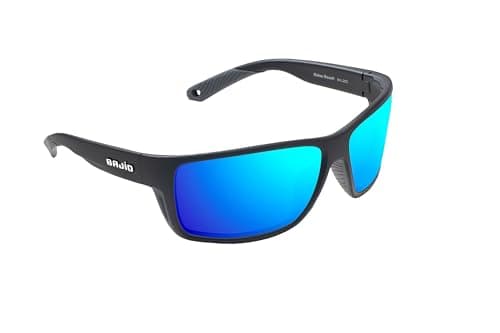
Bajío Bajío Bales Beach (Glass)
Bajío Bales Beach (Glass)

The flats-fishing specialist's pick — glass lenses with a blue-light filter, full coverage.

Flats and bright-water sight-fishing
8.4
$204.87Amazon
02
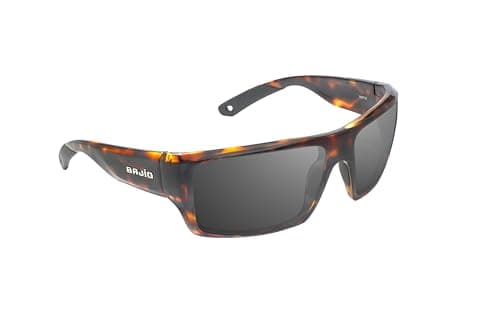
Bajío Bajío Los Natos (LAPIS Glass)
Bajío Los Natos (LAPIS Glass)

Bajío's lifestyle shape with the same flats-grade glass lens — the boat-to-bar pick.

Bajío optics in an everyday frame
8.0
$269.00Amazon
03
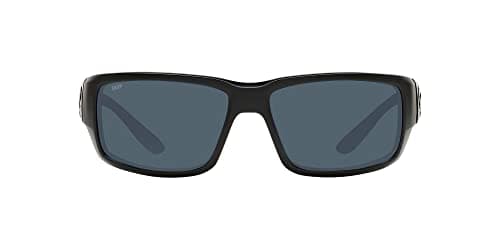
Costa Del Mar Costa Fantail 580P
Costa Fantail 580P

The fishing default. The 580 lens is built to pull fish out of glare, and it does.

Sight-fishing and time on the water
8.4
$169.60Amazon

#ad · Live prices from the Amazon Product API, as of Sep 5, 2026. Where we have no verified live price, we show none — we would rather leave a gap than print a number that has rotted.

In detail

The review

01
Bajío Bajío Bales Beach (Glass)

Flats and bright-water sight-fishing

Bajío Bales Beach (Glass)

LAPIS glass lensPolarizedBlue-light filterFull wrap + vents
8.4/10

The flats-fishing specialist's pick — glass lenses with a blue-light filter, full coverage.

Glare control
10
Optics
10
Fit & coverage
9
Durability
8
Value
5

Pros

  • Bajío's LAPIS coating targets blue light specifically, which is the wavelength that washes out a fish on a bright flat
  • Glass lenses give the truest optics here and resist scratches better than any polycarbonate
  • Vented full wrap kills side glare and fogs less than a sealed frame

Cons

  • Glass is heavier on the nose over a long day than Costa's 580P
  • Premium price, and the brand is less of a household name than Costa (which is the point, to some buyers)

Don't buy this if…

you need impact resistance above all — a stray hook or a dropped pair fares better with polycarbonate than glass.

$204.87View on Amazon

$269.0024% off

Price as of Sep 5, 2026. Prices change — Amazon's is the one that counts.

#ad · we may earn a commission from this link to Bajío Bales Beach (Glass)

02
Bajío Bajío Los Natos (LAPIS Glass)

Bajío optics in an everyday frame

Bajío Los Natos (LAPIS Glass)

LAPIS glass lensPolarizedBlue-light filterLifestyle shape
8.0/10

Bajío's lifestyle shape with the same flats-grade glass lens — the boat-to-bar pick.

Glare control
10
Optics
10
Fit & coverage
7
Durability
8
Value
5

Pros

  • Gets Bajío's blue-light-filtering glass lens into a frame you can wear off the water without looking like you just docked
  • Glass optics are the clearest and the most scratch-resistant option in the catalog
  • A genuine premium alternative to the two brands everyone already owns

Cons

  • Glass is heavier on the nose across a long day than polycarbonate
  • A lifestyle shape gives up the side coverage and venting of the brand's full wraps

Don't buy this if…

you want maximum coverage on a bright flat. The full-wrap Bales Beach is the better fishing tool; this is the pair for the rest of your life.

$269.00View on Amazon

Price as of Sep 5, 2026. Prices change — Amazon's is the one that counts.

#ad · we may earn a commission from this link to Bajío Los Natos (LAPIS Glass)

03
Costa Del Mar Costa Fantail 580P

Sight-fishing and time on the water

Costa Fantail 580P

580P polarizedPolycarbonateHydrolite gripVented
8.4/10

The fishing default. The 580 lens is built to pull fish out of glare, and it does.

Glare control
10
Optics
9
Fit & coverage
9
Durability
8
Value
6

Pros

  • Costa's 580 lens filters yellow light to lift contrast — copper/green tints make fish and structure pop against surface glare
  • Hydrolite nose and temple pads grip harder the wetter they get, which is the whole game on a boat
  • 580P (polycarbonate) is the lighter, more impact-resistant option versus the pricier 580G glass

Cons

  • Polycarbonate scratches more easily than Costa's 580G glass — the glass is clearer but heavier and dearer
  • A real premium over budget fishing wraps that also filter glare competently

Don't buy this if…

you fish twice a year off a dock. The 580 lens earns its keep for people who sight-fish; occasional users get most of the benefit from a $30 polarized wrap.

$169.60View on Amazon

$212.0020% off

Price as of Sep 5, 2026. Prices change — Amazon's is the one that counts.

#ad · we may earn a commission from this link to Costa Fantail 580P

A brand with an unusually narrow brief

Bajío is a fishing eyewear company founded by people who came out of the same world Costa did, and it is aimed with unusual precision at one buyer: the angler standing on a skiff on a bright flat, trying to see a fish that the water is doing its best to hide. Everything about the product follows from that. The lens technology targets blue light. The frames are full wraps with vents. Glass is the default lens material rather than the expensive upgrade. This is not a lifestyle brand that also makes fishing glasses.

That narrowness is the reason to consider Bajío and also the reason many buyers should not. If you want sunglasses for driving and holidays, the premium here buys you very little. If you sight-fish in bright, shallow, blue-dominated water, it buys you exactly the thing you have been struggling with.

What LAPIS actually claims to do

Bajío's published lens technology centers on blocking blue light. The reasoning is specific and, unlike a lot of lens marketing, easy to follow: on a bright flat, short-wavelength blue light scatters heavily in the water column and in the atmosphere, and that scatter is a large part of the haze that makes a fish disappear against the bottom. Take out more of that blue and the contrast between the fish and the substrate increases.

This sits alongside, not instead of, polarization. Polarization removes the horizontally aligned reflected light coming off the surface — the mirror between you and everything underneath. Blue-light filtering then improves what you can see once that mirror is gone. Two different mechanisms, stacked. The Cleveland Clinic has the plain-English version of the polarization half.

We should be clear about what we can and cannot say here. We do not run a lab, and we are not going to tell you we measured a transmission curve. What we can tell you is that the mechanism is coherent, the brand publishes what it is doing, and the effect anglers describe is consistent with the claim. That is the standard we hold every lens claim to on this site, and it is set out on how we rate.

Glass, and why it matters here

Bajío leans on glass lenses, and for this specific use that is the right call. Glass is optically the clearest lens material available and by a wide margin the most scratch-resistant — and an angler who is straining to resolve a shape at forty feet is exactly the person for whom edge-of-lens clarity and a pristine surface genuinely change the outcome.

The costs are real and worth stating. Glass is heavier on the bridge of your nose across a ten-hour day, and it is less impact-resistant than polycarbonate — which matters when a fly line, a hook or a dropped pair on a gunwale enters the picture. If either of those concerns you more than the last increment of clarity, Costa's 580P polycarbonate is the sensible alternative, and we compare the two premium approaches in Costa vs Maui Jim.

The frames

Bajío's fishing frames are full wraps with venting and rubber grip surfaces — standard for the category and well executed. The venting is not a gimmick: a sealed wrap on a hot, humid flat fogs, and cutting airflow paths through the frame is the only real fix. The grip surfaces behave the way sport eyewear grips should, tacking up as they get damp rather than becoming slicker, which is the material trick we explain in our slipping guide.

The brand also makes lifestyle-leaning shapes with the same lens technology, which is the more sensible purchase if you want Bajío optics in a frame you can wear off the boat. You give up side coverage and venting; you gain a pair that does not announce that you own a skiff.

Where Bajío is the wrong buy

You fish occasionally. A $30 polarized wrap removes the same surface mirror. The contrast advantage is what you are paying for, and it only pays back if you are actively hunting fish rather than watching a bobber. We are blunt about this in the fishing roundup, where a budget pick sits on the same page as the premium ones.

You want one pair for everything. A tuned fishing lens is a specialist tool. For driving and everyday wear, a good all-round premium lens is nicer to live with, and a cheap polarized pair is nicer to lose.

You are hard on equipment. Glass and rough handling are a poor combination. If your sunglasses get dropped on boat decks and rocks, polycarbonate is the more forgiving choice.

You want the name recognized. Bajío is a smaller brand than Costa and the secondhand and service infrastructure is correspondingly smaller. That matters to some buyers and not at all to others.

Are Bajío sunglasses worth it?

If you sight-fish on bright water, yes — this is one of the few premium eyewear purchases where you can articulate exactly what the money buys and why it works. The blue-light argument is coherent, glass is genuinely the clearest lens material, and the frames are built for the environment. For everyone else, the honest answer is that you are paying a specialist premium for a specialization you will not use, and a Maui Jim or a good budget polarized pair will serve you better. Buy Bajío because you are hunting fish, not because it is expensive.
How we picked

We don't run a testing lab

We compile each pair's published specifications — lens material, polarization, coating, frame material, coverage, UV rating and price — normalize them, and score each against a published rubric. The scores are judgments from documented research; they are notmeasurements we took, because we don't own a lab and we're not going to pretend we do. Pairs we claim to have lab-tested: 0.

Questions

Frequently asked

What makes Bajio lenses different?
Bajío's published lens technology targets blue light specifically, on the reasoning that short-wavelength blue scatter is a large part of the haze that hides a fish on a bright flat. That sits on top of polarization, which removes the surface mirror. Two mechanisms stacked — and the brand leans on glass lenses, which are optically the clearest material available.
Is Bajio better than Costa?
For bright-flats sight-fishing with glass lenses, Bajío makes a very strong case. Costa has a broader range, more frame options, a bigger service network and the 580 lens, which is the reference contrast lens for fishing generally. Neither is wrong — we compare the premium approaches in Costa vs Maui Jim and rank both in the fishing roundup.
Are glass fishing sunglasses worth the weight?
If you are straining to resolve fish and structure, yes — glass is the clearest and most scratch-resistant lens material, and clarity is the whole point of a fishing lens. If you fish long days and feel weight on your nose, or you are rough enough on gear that impact resistance matters more, polycarbonate is the better trade.
Do Bajio sunglasses come in non-fishing shapes?
Yes — the brand makes lifestyle-leaning frames carrying the same lens technology, which are the more sensible buy if you want Bajío optics for general wear. You give up the side coverage and venting of the full fishing wraps, and gain a pair that works away from the water.
Are Bajio sunglasses worth the money for casual fishing?
No. For occasional fishing, a $30 polarized wrap removes the same surface glare, which is most of the practical benefit. The contrast advantage that justifies the premium only pays back if you are actively hunting fish in tricky light. Our fishing sunglasses roundup ranks a budget pick on the same page as the premium ones for exactly this reason.

Keep reading

Receipts

Sources

We do not run a testing lab, and we do not pretend to. Where a spec or measurement came from a manufacturer or a third party, we name and link it. Where we could not verify something, we say so on the page rather than quietly leaving it out. Read our full method.