Maui Jim, and the ceiling of a polarized lens
Maui Jim started as a beach-stand brand in Hawaii and built its whole identity around one thing: the best polarized lens it could make. Its PolarizedPlus2 technology is the result, and it is the reason the brand inspires the loyalty it does. Where a standard polarized lens simply cuts glare, Maui Jim sets out to lift color and contrast at the same time. If glare control and color are the entire point for you, this is the ceiling — and it is priced like the ceiling.
What Maui Jim gets right
The lens is the star, and the enthusiasm around it is earned. PolarizedPlus2 does more than remove glare: it filters UV and a slice of blue light while lifting the reds, greens and blues your eye responds to, so a scene off the water looks richer and sharper rather than just dimmer. The MauiPure lens material is lighter than glass and more optically true than most polycarbonate, and the build quality is genuinely excellent — the sort of pair you keep for a decade. For the buyer who cares most about what they see through the lens, Maui Jim delivers.
- PolarizedPlus2 lifts color and contrast, not just glare — the difference off water is real, not marketing.
- MauiPure lenses are lighter than glass and more optically true than most polycarbonate.
- Top-tier build and finish; the pair you hold onto for years.
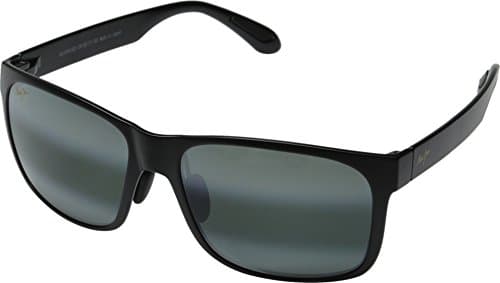
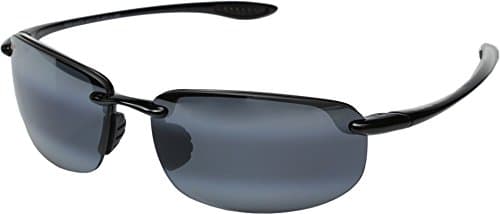
Maui Jim offers the same lens in different shapes. The Red Sands leans a touch more active, the Hookipa is a classic medium-fit everyday frame — same premium lens, different face. For where Maui Jim sits against the whole polarized field, from a $30 pair up to this, our best polarized sunglasses roundup ranks it honestly.
The lens material is a real choice, not just marketing
Maui Jim offers its lens in more than one material, and the difference is worth understanding. MauiPure is a lightweight injection lens that balances clarity, impact resistance and weight, and it is the everyday sweet spot; the brand also offers glass for the very clearest, most scratch-resistant optics at the cost of extra weight, and a thinner option for the lightest, most impact-resistant build. All of them carry the same PolarizedPlus2 color and contrast tuning, so the decision is about weight versus outright clarity rather than lens quality. The color boost itself is the part that surprises first-time wearers: greens and blues look deeper and glare-washed scenes regain detail, which is exactly what the technology is engineered to do. Whether that lift is worth the price is the only real question — the lens itself delivers.
What Maui Jim gets wrong (or asks you to pay for)
The price is the whole caveat. Maui Jim is the most expensive brand on this site by a wide margin, and the uncomfortable truth is that the fundamental job — blocking horizontal glare — is done competently by a lens costing a fifth as much. What the money buys is the color and contrast lift, the optical trueness and the decade-long build, not more polarization. And like every polarized lens, it dims LCD and phone screens, which is a nuisance at a gas pump or reading a boat's chartplotter. The lens is superb; you just have to want what it does enough to pay for it.
The lens and frame tech, explained honestly
PolarizedPlus2 combines three things in one lens: polarization to kill glare, a color and contrast boost, and UV plus blue-light filtering — Maui Jim details the stack on its official lens-technology pages. The polarization itself is the same physics as any polarized lens: a filter that blocks the horizontally aligned light reflecting off flat surfaces, which the Cleveland Clinic explains plainly. What sets Maui Jim apart is the contrast and color tuning layered on top, and the quality of the lens material. If you are not sure a lens is genuinely polarized in the first place, our guide on how to tell if sunglasses are polarized shows the quick test.
How Maui Jim's pricing compares
Maui Jim sits at the very top of the price range, well above even the premium fishing and sport brands. What separates it from a good $40 polarized pair is not whether it cuts glare — both do — but the color and contrast lift, the optical clarity and the longevity. For a buyer who wears one nice pair every day and values what they see, that gap can be worth it. For a buyer who mainly wants glare relief on the drive to work, the premium is largely unspent value, and we say so plainly in our polarized vs non-polarized guide.
Is Maui Jim worth the price?
If the lens is the point and you will keep the pair for years, yes. PolarizedPlus2 genuinely lifts color and contrast in a way owners describe as changing how the world looks off the water, and the build backs a long ownership. That enthusiasm tracks what the lens is engineered to do. As a keep-forever everyday pair for someone who values optics, Maui Jim is a defensible splurge.
Who should skip Maui Jim
Skip Maui Jim if you tend to lose or sit on sunglasses — this is an heirloom-price lens, and the glare math that matters to most buyers is ninety percent there on pairs costing a fifth as much. Skip it if you need a wraparound sport or fishing frame; these are lifestyle shapes with modest coverage, so an angler should look at our fishing roundup and a runner at our everyday picks instead. And skip it if your main use is driving glare relief, where a far cheaper polarized pair does the essential job just as well.