Skip to content
PolarizedClub

Head to head · Premium everyday

Ray-Ban vs Maui Jim: Icon or Optics?

One of these is the most recognizable shape in eyewear. The other is arguably the best everyday lens made. They are not competing on the same axis.

By Stephen V.Updated How we rate
#ad

We earn a commission when you buy through our Amazon links, at no extra cost to you. It never affects our rankings, and we say so when the cheaper pair is the better buy. How this works.

Buy Maui Jim if what you want is the best everyday lens — PolarizedPlus2 lifts color and contrast in a way you notice the first time you put it on, and the build supports a decade of ownership. Buy Ray-Ban if what you want is the shape, the heritage and the object, and choose the polarized version so the lens is doing real work too. Both are defensible. They are just not the same purchase.

This comparison gets muddled because both brands sit at a similar price and both are premium household names, so people assume they are competing on the same thing. They are not. Ray-Ban sells design that has been continuously desirable for eighty years, in frames that are properly made, with a competent lens. Maui Jim sells a lens that is genuinely among the best available, in frames designed to be worn every day. Work out which of those sentences describes what you are buying and the decision resolves itself.

FactorRay-BanMaui Jim
LensGood; polarized and G-15 options. Not a documented contrast technologyPolarizedPlus2 — lifts color and contrast, not just glare
DesignThe Wayfarer and Aviator are cultural objectsHandsome, restrained, less iconic
Polarized?On some models and colorways only — check the listingPolarized across the line
Fit engineeringAdjustable nose pads on metal frames; fixed on acetateMultiple fit sizes published per model
Sport useNot suitable — smooth arms, flat lensesNot suitable — lifestyle frames, modest coverage
Best forEveryday, driving, wanting the iconEveryday, travel, wanting the lens

The short answer

Quick picks

#ProductBest forScorePrice
01
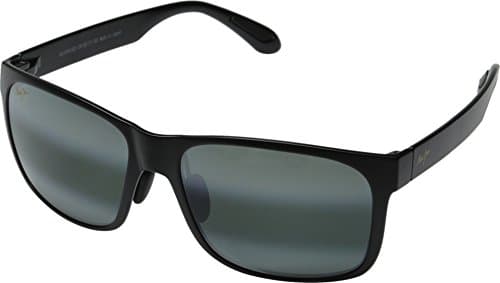
Maui Jim Maui Jim Red Sands (PolarizedPlus2)
Maui Jim Red Sands (PolarizedPlus2)

If glare control and color are the whole point, this is the ceiling — at a ceiling price.

The best-in-class polarized lens
8.2
$259.00Amazon
02
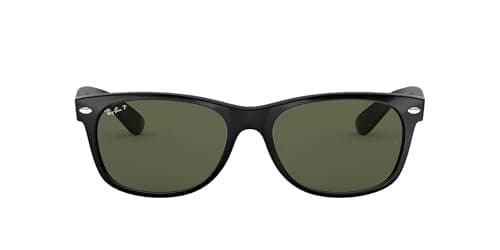
Ray-Ban Ray-Ban New Wayfarer (Polarized)
Ray-Ban New Wayfarer (Polarized)

The default answer for everyday and driving — an icon shape with a genuinely polarized option.

Everyday and driving
7.4
Check price →
03
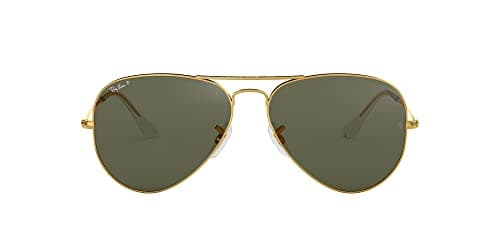
Ray-Ban Ray-Ban Aviator Classic (RB3025, Polarized)
Ray-Ban Aviator Classic (RB3025, Polarized)

The most recognizable sunglass ever made, in the version that actually cuts glare.

The icon, with a real polarized lens
7.0
Check price →
04
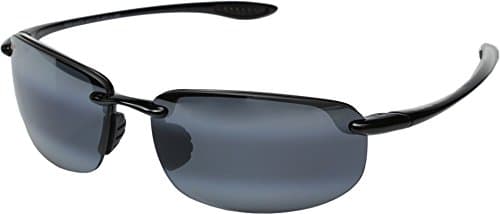
Maui Jim Maui Jim Hookipa (PolarizedPlus2)
Maui Jim Hookipa (PolarizedPlus2)

A classic medium-fit Maui Jim — the premium everyday polarized pair, minus the sport wrap.

A premium everyday lens
7.8
$229.00Amazon

#ad · Live prices from the Amazon Product API, as of Sep 5, 2026. Where we have no verified live price, we show none — we would rather leave a gap than print a number that has rotted.

In detail

The picks, in full

01
Maui Jim Maui Jim Red Sands (PolarizedPlus2)

The best-in-class polarized lens

Maui Jim Red Sands (PolarizedPlus2)

PolarizedPlus2MauiPure lensUV + blue-lightNylon frame
8.2/10

If glare control and color are the whole point, this is the ceiling — at a ceiling price.

Glare control
10
Optics
10
Fit & coverage
7
Durability
9
Value
5

Pros

  • Maui Jim's PolarizedPlus2 does more than cut glare — it lifts contrast and color, and the difference off water is real, not marketing
  • MauiPure lenses are lighter than glass and more optically true than most polycarbonate
  • Genuinely excellent build; the pair you keep for a decade

Cons

  • The most expensive pick on this site by a wide margin
  • Like any polarized lens it dims LCD and phone screens — a nuisance at a gas pump or a boat's chartplotter

Don't buy this if…

you lose sunglasses. This is a heirloom-price lens, and the glare math that matters to a buyer is 90% there on pairs costing a fifth as much.

$259.00View on Amazon

Price as of Sep 5, 2026. Prices change — Amazon's is the one that counts.

#ad · we may earn a commission from this link to Maui Jim Red Sands (PolarizedPlus2)

02
Ray-Ban Ray-Ban New Wayfarer (Polarized)

Everyday and driving

Ray-Ban New Wayfarer (Polarized)

Acetate framePolarized optionCrystal lensIcon shape
7.4/10

The default answer for everyday and driving — an icon shape with a genuinely polarized option.

Glare control
8
Optics
9
Fit & coverage
6
Durability
8
Value
6

Pros

  • The New Wayfarer's slightly smaller, softer profile suits more faces than the original Wayfarer
  • The polarized version cuts glare off wet roads and car hoods, which is exactly what you want driving
  • Crystal (glass) lens options are scratch-resistant in a way the budget acetates here are not

Cons

  • You pay a real brand premium — the same glare control exists for a quarter of the price if the icon status doesn't matter to you
  • Flat lens and modest coverage mean light leaks in from the sides in bright sport settings

Don't buy this if…

you want a wrap for running, cycling or the flats. This is a lifestyle frame — it will slide down your nose the first time you sweat, and it lets side light straight in.

Check price on Amazon →

We don't have a verified live price for this right now, so we aren't showing one.

#ad · we may earn a commission from this link to Ray-Ban New Wayfarer (Polarized)

03
Ray-Ban Ray-Ban Aviator Classic (RB3025, Polarized)

The icon, with a real polarized lens

Ray-Ban Aviator Classic (RB3025, Polarized)

Metal framePolarized optionTeardrop lensAdjustable nose pads
7.0/10

The most recognizable sunglass ever made, in the version that actually cuts glare.

Glare control
8
Optics
9
Fit & coverage
6
Durability
7
Value
5

Pros

  • The teardrop shape has softened faces for seventy years, and it flatters square and angular faces particularly well
  • Adjustable nose pads are rare at this level and let you dial in fit in a way molded bridges cannot
  • The polarized version does the real glare job on wet roads and water, not just the look

Cons

  • You pay a substantial brand premium — the glare control alone is available for a tenth of the price
  • Thin metal arms and a large lens mean modest side coverage and no grip when you sweat

Don't buy this if…

you want a sport pair. Metal arms and a flat teardrop lens are the wrong tool for a run, a ride or a bright flat.

Check price on Amazon →

We don't have a verified live price for this right now, so we aren't showing one.

#ad · we may earn a commission from this link to Ray-Ban Aviator Classic (RB3025, Polarized)

04
Maui Jim Maui Jim Hookipa (PolarizedPlus2)

A premium everyday lens

Maui Jim Hookipa (PolarizedPlus2)

PolarizedPlus2MauiPure lensMedium fitUV + blue-light
7.8/10

A classic medium-fit Maui Jim — the premium everyday polarized pair, minus the sport wrap.

Glare control
9
Optics
10
Fit & coverage
6
Durability
9
Value
5

Pros

  • PolarizedPlus2 lifts color and contrast, not just glare — the reason Maui Jim keeps its fans
  • Medium fit and classic shape work for a wide range of faces
  • Lens and build quality are top-tier

Cons

  • Premium price for an everyday (non-sport) frame
  • Polarized lens dims phone and dashboard screens, as all polarized do

Don't buy this if…

you want a sport or fishing wrap. This is a lifestyle frame — beautiful optics, modest coverage.

$229.00View on Amazon

Price as of Sep 5, 2026. Prices change — Amazon's is the one that counts.

#ad · we may earn a commission from this link to Maui Jim Hookipa (PolarizedPlus2)

The lens gap is real

Maui Jim's PolarizedPlus2 does more than cancel glare. It lifts color and contrast across the scene while managing glare and blue light, and the effect people describe — that the world looks richer rather than dimmer — is a genuine one rather than marketing. Combined with MauiPure, a lens material that is lighter than glass and more optically true than standard polycarbonate, it is a properly engineered product.

Ray-Ban's lenses are good. The G-15 green tint is a genuinely well-judged neutral, the crystal (glass) options are excellent and scratch-resistant, and the polarized versions do the real glare job on wet roads and water. What Ray-Ban does not have is a documented contrast technology in the way Maui Jim, Costa and Oakley do. If you want to compare lens performance on stated mechanisms, Maui Jim gives you something to compare and Ray-Ban largely does not.

The polarization trap with Ray-Ban

This is the single most useful practical warning on this page. Not every Ray-Ban is polarized. Polarization is a per-model, per-colorway option, and plenty of the most popular listings are a plain tint. The Justin in the classic green, for instance, is not polarized. Maui Jim, by contrast, is polarized across the line, so there is nothing to check.

If glare control is part of why you are buying, read the specific listing rather than assuming the brand implies it — and confirm it yourself on arrival with the LCD-screen test in how to tell if sunglasses are polarized. Buying a non-polarized icon and being disappointed by the glare is an avoidable and very common mistake.

Shape and fit

Ray-Ban wins on shape variety in the sense that matters culturally — the Wayfarer and the Aviator are the two most recognizable silhouettes in eyewear, and if that is what you want, nothing else is a substitute. The Aviator also happens to be one of the most broadly flattering shapes there is, particularly on square and angular faces, as we cover in the square face guide.

Maui Jim wins on fit engineering. It publishes multiple fit sizes per model, which is the single most useful thing a premium brand can do and something a lot of buyers never think to check. A superb lens in a frame that pinches is a wasted premium — the numbers to compare are in how to choose sunglasses size.

What neither of them is for

Sport. Both are lifestyle frames with flat-ish lenses, smooth arms and modest side coverage. They will slide down a sweaty nose and let light in from the sides, and neither has the grip materials that solve that. If you need a pair for running, riding or the water, buy a sport frame — our running and fishing roundups exist for that, and a $30 sport wrap genuinely outperforms either of these for those jobs.

The honest value question

Both are expensive, and neither buys you more eye protection: the UV standard is met by pairs costing a tenth as much, and the Cleveland Clinic explanation of what polarization does applies equally to a $30 lens. What the money buys is optical polish, coatings that last, frames that stay straight, and — for Ray-Ban — an object with genuine cultural weight.

Our position, stated plainly: if these will be your everyday pair for a decade, either is a reasonable purchase and Maui Jim is the better lens. If you lose sunglasses, neither is, and the two-cheap-pairs strategy in are expensive sunglasses worth it is the more rational spend.

The verdict

Want the best everyday lens and will keep it? Maui Jim, and take a moment to pick the right fit size. Want the icon? Ray-Ban, and make sure you buy the polarized version so it is doing a job as well as being a look. Want maximum function per dollar? Neither — and we would rather say so than pretend the premium is compulsory.

How to choose

1. Name what you are buying

Lens performance points to Maui Jim. Design and heritage point to Ray-Ban. Both are legitimate; being honest about which avoids disappointment.

2. Check polarization on the specific listing

Ray-Ban polarization is a per-model, per-colorway option. Maui Jim is polarized across the line.

3. Check the fit size

Maui Jim publishes multiple fits per model; Ray-Ban metal frames have adjustable nose pads. Use them.

4. Do not buy either for sport

Lifestyle frames slide and leak side light. A cheap sport wrap outperforms both for running, riding and the water.
How we picked

We don't run a testing lab

We compile each pair's published specifications — lens material, polarization, coating, frame material, coverage, UV rating and price — normalize them, and score each against a published rubric. The scores are judgments from documented research; they are notmeasurements we took, because we don't own a lab and we're not going to pretend we do. Pairs we claim to have lab-tested: 0.

Questions

Frequently asked

Is Maui Jim better than Ray-Ban?
On lens performance, yes — PolarizedPlus2 lifts color and contrast rather than just cutting glare, and Maui Jim is polarized across the whole line. On design and cultural recognition, Ray-Ban is unmatched. They are competing on different axes, so the honest answer depends on whether you are buying a lens or an object.
Are all Ray-Ban sunglasses polarized?
No, and this catches people out constantly. Polarization is a per-model and per-colorway option at Ray-Ban, and many popular listings are a plain tint. Read the specific listing, and confirm on arrival with the LCD-screen test in how to tell if sunglasses are polarized.
Is Maui Jim worth the money?
For a pair you will wear most days for years, yes — the lens is genuinely among the best available and the build supports long ownership. For eye protection alone, no: UV blocking is identical on a pair costing a tenth as much. The full price argument is in are expensive sunglasses worth it.
Can you use Ray-Ban or Maui Jim for sport?
Neither is suitable. Both are lifestyle frames with smooth arms, flat-ish lenses and modest side coverage, so they slide when you sweat and let light in from the sides. A sport wrap costing a fraction of either genuinely outperforms them for running, cycling and fishing — see the running roundup.
Which is better for driving?
Either, provided the Ray-Ban you choose is the polarized version — polarization is the feature that cancels glare off wet roads and hoods. Maui Jim has the edge on optical quality; Ray-Ban's Aviator has adjustable nose pads that help on a long drive. Our driving roundup also makes the case for keeping a cheap pair in the car instead.

Keep reading

Receipts

Sources

We do not run a testing lab, and we do not pretend to. Where a spec or measurement came from a manufacturer or a third party, we name and link it. Where we could not verify something, we say so on the page rather than quietly leaving it out. Read our full method.