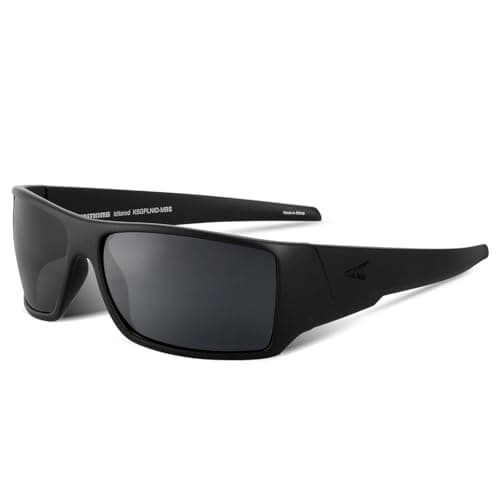
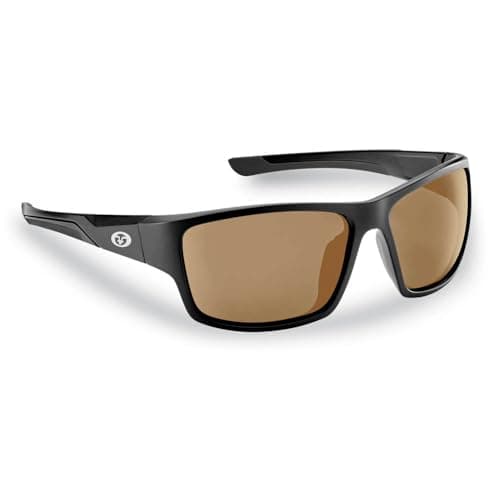
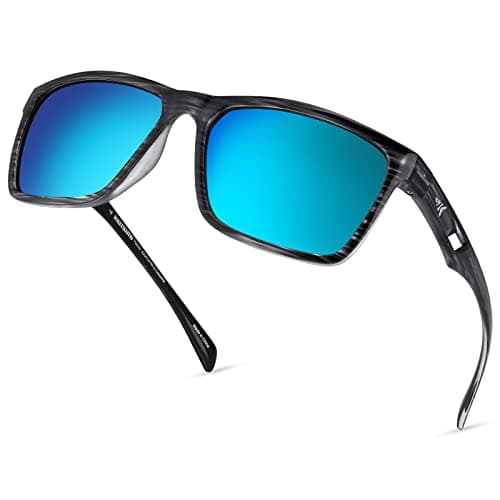
A tackle brand, not an eyewear brand
KastKing makes rods, reels and line, and sells polarized sunglasses to the same customer. That matters because it explains both the strengths and the ceiling. The design assumptions are correct — these are built for a boat, a bank and a tackle bag, with wrap coverage and floating-price sensibility. The lens is bought in rather than engineered, and it performs like it.
For a category where the most expensive pairs cost eight times as much, that honesty is the point. KastKing is trying to give an angler the polarization they genuinely need at a price where losing a pair overboard is an inconvenience rather than an event.
What KastKing gets right
The frames are better than the price suggests.Grilamid appears in parts of the range, and it is the same class of nylon that premium sport brands use — it flexes rather than snapping and shrugs off being sat on. Finding it at this price is genuinely unusual and it is the strongest thing about the brand.
Real polarization, properly done.These pass the LCD-screen test. That means you get actual removal of the surface mirror on water, which is the single most useful thing a fishing lens does. It is worth restating that the physics of that filter is the same at every price — a cheap polarized lens removes glare as completely as an expensive one, and the Cleveland Clinic explains why.
Wrap coverage. The sport-wrap shapes seal out the side light that ruins a lifestyle frame on the water. Shape matters more than most anglers realize and KastKing gets it right.
Priced to be replaceable. The real cost of ownership for fishing sunglasses is losing them over the side. At this price that stops being a consideration, which changes how you use them.
What the TAC lens costs you
The lens is TAC — a film-laminate construction where the polarizing film is sandwiched between layers. It works, it is genuinely polarized, and it is optically a step below the molded polycarbonate used in premium fishing glasses. In practice that means slightly softer resolution toward the outer third of the lens and coatings that pick up fine scratches sooner.
There is also no contrast tuning. KastKing removes glare; it does not lift a fish out of the water the way Costa's 580 does by filtering a specific band of yellow light. For a lot of fishing — a dock, a bobber, a trolled line — that makes no difference at all. For sight-casting to spooky fish on a bright flat, it is the entire difference, and we would not pretend otherwise.
Fit is generic.One size per model, no adjustable nose, no fit variants. If your face is at either extreme of the size range this is the thing most likely to disappoint — check the numbers against a pair that fits you using our sizing guide.
Which KastKing should you buy?
The difference across the range is mostly frame material and shape rather than lens quality, so buy on fit and coverage rather than expecting an optical upgrade. The Grilamid-framed models are the ones worth paying slightly more for, because the frame is the component that most often determines whether a budget pair survives a season.
And a practical note specific to this category: buy a retainer. At any price, a pair on a boat without a cord is a pair you will eventually watch sink. Every serious angler uses one.
KastKing versus the alternatives
Against other budget fishing wraps— Flying Fisherman and the generic TR90 wraps — KastKing generally wins on frame material and loses nothing on lens, so it is the one we would pick in that tier.
Against Huk in the tier above, you give up finish, coating life and lens polish. Against Costa and Bajío, you give up the contrast tuning that is the whole reason those exist. Both of those are real gaps and both are proportional to the price difference. The whole ladder is on one page in our fishing sunglasses roundup, and the cheap end more generally in best cheap polarized sunglasses.
Are KastKing sunglasses worth it?
For most anglers, yes — emphatically at the price. You get genuine polarization, real wrap coverage and a frame that survives, for the cost of a couple of good lures. Skip them if you sight-fish seriously and need contrast tuning, if you want coatings that last years, or if you need a specific fit. This is the pair to own two of and not worry about, which for fishing eyewear is a legitimate strategy rather than a compromise.