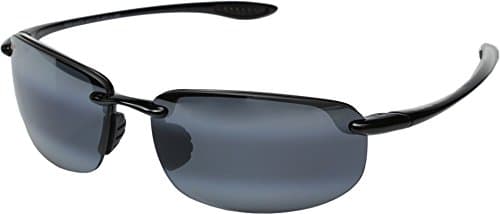
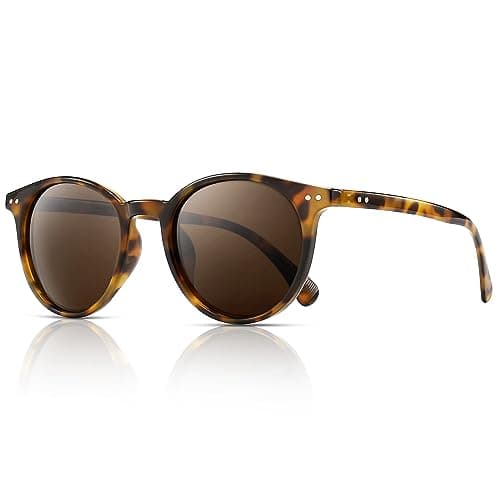
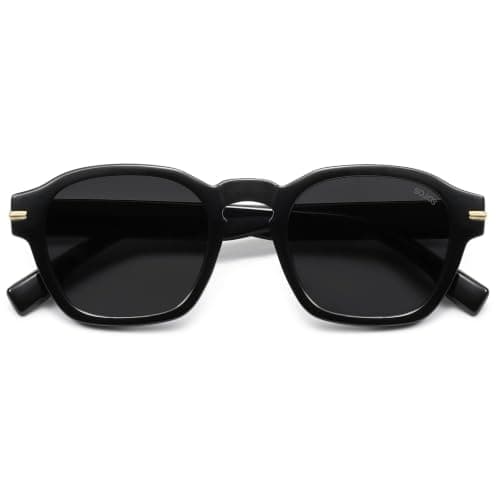
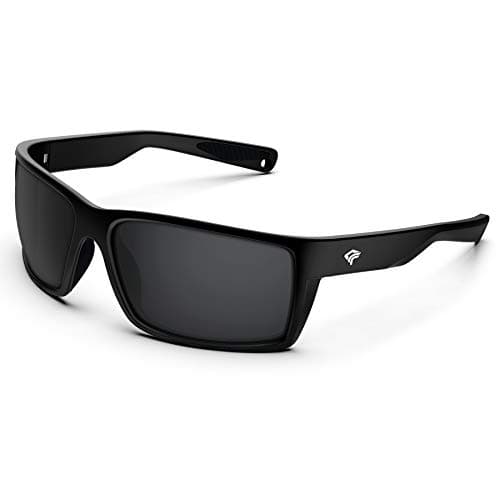
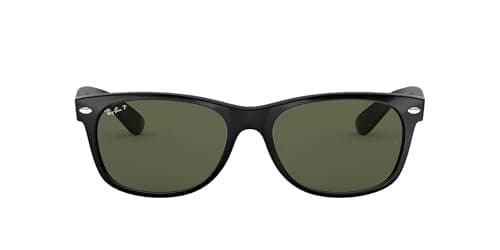
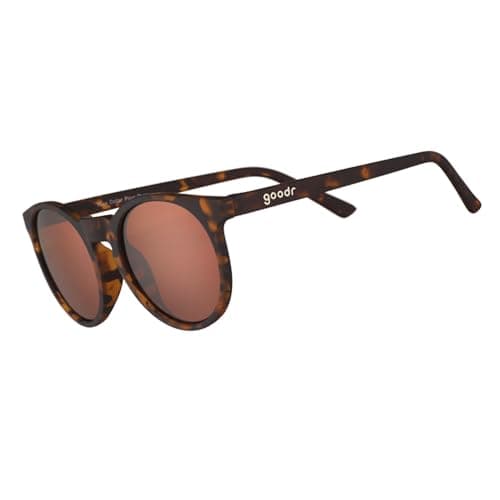
For most women wanting one genuinely good polarized everyday pair, the goodr Circle G is the answer — polarized, UV400, a flattering smaller round, a grip coating that stops it sliding, and cheap enough to own two. If you want a lens to keep for a decade, the Maui Jim Hookipa is the ceiling. Everything between those two is style preference and budget.
This page exists because "polarized" and "women's" are usually treated as separate searches, and the intersection is where the useful advice lives. Our polarized roundup ranks lens quality across the whole market; our women's roundup ranks by use and style across polarized and non-polarized alike. What follows is the overlap: pairs that are genuinely polarized and shaped for the fit issues that actually come up.
Why polarized is worth insisting on
A polarized lens is a filter, not a darker tint. Light bouncing off flat surfaces — a windshield, a wet road, a lake, a pale pavement — comes back horizontally aligned, and a polarizing film blocks that orientation specifically. The scene is not dimmer; the reflected haze is gone. The Cleveland Clinic has the physics.
The practical difference is most obvious driving and near water, which is where most people actually wear sunglasses. And the good news is that genuine polarization now starts at a price that used to buy a plain tint — the entry point for a real polarized UV400 pair is remarkably low, which is why several picks here cost less than a lunch.
Fit decides this more than the lens does
Here is the thing the lens-spec conversation misses. The most common reason a pair of women's sunglasses ends up unworn is not optics — it is that the frame is too wide, slides down, or overwhelms the face. Women's eyewear skews oversized, and oversized frames on a smaller face sit wide, perch badly and slip.
Three fit rules that fix most of it. Frame width should match face width— a pair that leaves temple marks is too small, one that rocks when you shake your head is too big. Shape should balance, not echo— angular frames counterweight a rounder face, softer rounder frames balance an angular jaw, which we expand on in the round face guide. And grip beats tightness— a frame with a rubberized or coated bridge stays put without squeezing, which is the whole reason goodr's smaller round is on this page twice over in spirit. If yours slide, that is fixable: how to stop sunglasses slipping.
The budget end is genuinely good now
We would happily send someone to the sub-$20 tier as a first polarized pair, which was not true a decade ago. Polarized, UV400, on-trend shapes, light frames — the fundamentals are all present. What you give up is coating durability and edge-of-lens clarity, so treat these as a season-or-two pair rather than a keeper.
There is a strategy in that. Buy a cheap polarized pair in the shape you are considering, wear it for a summer, and find out whether you actually reach for that shape. Then spend real money on the shape you love. That sequencing beats spending premium money on a guess, and it is the argument we make in best cheap polarized sunglasses.
What the premium actually buys
At the top of this page you are paying for optical polish at the edges of the lens, contrast and color lift that a budget lens does not attempt, coatings that survive years rather than seasons, and a frame that is still straight in a decade. Those are real. What you are notbuying is more eye protection — the American Optometric Association standard of 100% UVA and UVB blocking is met by every pick on this page regardless of price. The full ladder is in are expensive sunglasses worth it.
How we ranked these
Genuine polarization is the entry requirement rather than a ranking factor — everything here passes the LCD-screen test. From there: fit and comfort for a range of face sizes first, lens quality second, durability third, value fourth. That ordering is why a $30 round tops a $220 lens on this particular page. Method on how we rate.
Choosing a women's polarized pair
1. Confirm it is genuinely polarized
Look at a phone screen through one lens and rotate the glasses 90 degrees. A polarized lens darkens the screen sharply; a plain tint does not change.
2. Match frame width to face width
Oversized is the default in women's eyewear and it is not right for every face. Temple marks mean too small; rocking means too big.
3. Balance the shape, do not echo it
Angular frames suit rounder faces; softer rounder frames suit angular ones.
4. Buy cheap first to find your shape
A sub-$20 polarized pair is a genuinely good way to test a shape for a season before spending real money on it.
5. Then spend up only for a keeper
The premium buys optical polish, coatings and a decade of life — not more UV protection, which is identical at every price.