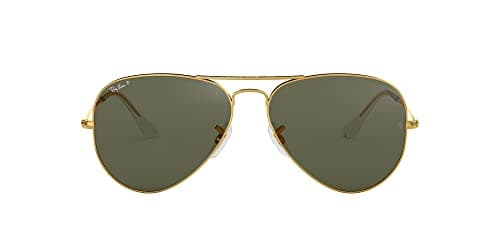
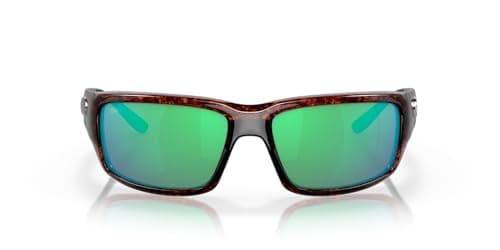
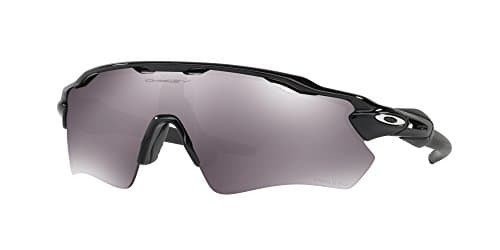
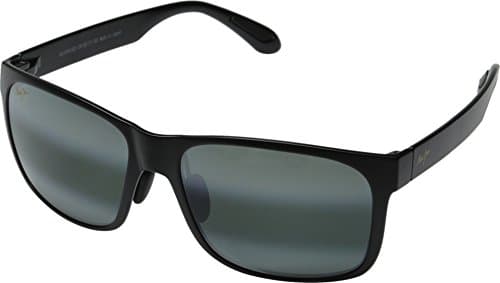
The best luxury sunglasses gift is a Maui Jim Hookipa if you know the person's taste but not their sport, a Costa Fantail 580G if they fish, an Oakley Radar EV if they ride, and a Ray-Ban Aviator if the name on the temple is part of the gift. At this price the lens is never the problem — every pair here carries a reference-grade lens. The problem is fit, and the way to solve it is to buy where an exchange is painless.
Premium sunglasses are one of the few gifts where the expensive version is measurably better at the job, not just nicer to own. A Maui Jim or Costa lens lifts color and contrast in a way a budget polarized film does not; an Oakley Prizm lens is tuned for a specific sport; a Ray-Ban is a shape that has worked for seventy years. What you are also buying is a frame that lasts a decade and a company that will replace a lens. The picks below say plainly what each one is for, because "the best" at this level always means "the best for this person."
Which premium pair for which person
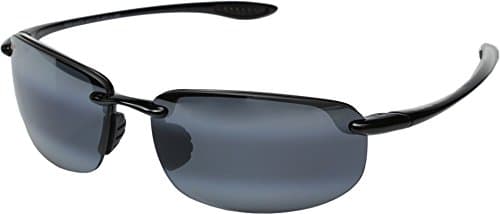
- You know their taste, not their sport:Maui Jim Hookipa. A classic medium-fit everyday frame with the PolarizedPlus2 lens that made the brand's reputation. The safest luxury gift on this page because the shape is restrained and the fit is medium.
- The name matters to them: Ray-Ban Aviator Classic, in the polarized version. Adjustable nose pads make it the most fit-forgiving premium pair here, and the polarized lens means it does the glare job, not just the look.
- They fish:Costa Fantail 580G. Glass lens, Costa's 580 contrast filter, a vented wrap that grips harder when wet. If they fish from a moving boat in chop, the 580P polycarbonate version of the same frame is lighter and tougher — it is the top pick on our fishing roundup.
- They ride:Oakley Radar EV Path. The pro-peloton shield, with a Prizm road lens that is deliberately not polarized. Do not "upgrade" a cyclist to a polarized lens; see below.
- They want the best polarized lens, full stop: Maui Jim Red Sands. The ceiling for glare control and color on this site, in a nylon frame that leans sportier than the Hookipa.
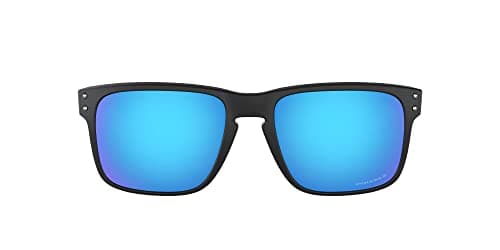
- They like Oakley but do not do sport:Oakley Holbrook in Prizm Polarized. Oakley's most wearable lifestyle frame, with polarization and contrast tuning in one lens — the version for driving, water and everyday rather than the bike.
The fit trap at this price
A $30 pair that pinches goes in a drawer and nobody minds. A $250 pair that pinches becomes a source of guilt for everyone involved. That is the real risk of a luxury sunglasses gift, and there are three ways to defuse it. First, prefer medium fits and adjustable features — the Hookipa's medium frame and the Aviator's adjustable nose pads are why they lead this list. Second, if you can see a pair they already own and like, match its width; our sunglasses size guide explains how to read the numbers on a temple arm. Third, buy from a listing with straightforward returns and tell them so. It is not unromantic; it is how you make sure they actually wear the gift.
Polarized is not automatically the premium choice
At this level it is tempting to assume the polarized version is always the upgrade. It is not. Polarization cancels reflected glare, which is exactly right for water and driving and exactly wrong for a cyclist reading a wet road or a bike computer, or a golfer reading a green. The Cleveland Clinic makes the screen point; Oakley leaves its Prizm Road and Prizm Golf lenses non-polarized on purpose. So the Radar EV on this list is correct as sold, and the Holbrook's polarized lens is correct because the Holbrook is not a sport frame. For the general argument, read are Oakley polarized lenses worth it.
Is the premium lens really worth it?
Honestly: for glare alone, no — a good $30 polarized lens cancels most of the same reflected light, and we say so on every page of this site. What the premium lenses add is color and contrast (Maui Jim's PolarizedPlus2, Costa's 580 filter, Oakley's Prizm tuning), optical precision at the edges, and a build that lasts. Those are real, they are what the recipient will notice, and they are the reason to spend the money on a gift rather than on your own pair. Our goodr vs Maui Jim comparison makes the case in both directions.
Every brand on this page has run a Black Friday promotion in past years, and this is the tier where waiting can matter in dollars. We have documented what each one did last year — without predicting this year — on our Black Friday sunglasses page.
Before you click buy: the three-second checklist
- UV400 or "100% UVA/UVB" on the listing. The American Optometric Association says sunglasses should block 100% of both. Every pick on this page is sold on that claim; it is the one spec that is never worth compromising, and it costs nothing extra.
- The word "polarized" in the title, if you want polarized. Several brands sell a tinted and a polarized version of the same frame under near-identical photos. Read the title, not the picture.
- A returnable listing. Fit is the one thing you cannot guess for someone else. Buy where an exchange is easy and say so when you hand it over.
Two more checks when the money is serious
Is this the authorized listing?
Premium brands are counterfeited. Buy the listing sold by the brand or shipped by Amazon, read the seller name, and expect a case and a cloth in the box. A premium pair arriving in a plastic sleeve is a warning sign.
Glass or polycarbonate?
Glass (Costa 580G, Bajío LAPIS) is clearer and harder to scratch; polycarbonate is lighter and survives a drop or a stray hook. For a gift to someone active on a boat, polycarbonate is the kinder default. Our glass lens guide covers when glass is the wrong choice.
How we picked
We don't run a testing lab
We compile each pair's published specifications — lens material, polarization, coating, frame material, coverage, UV rating and price — normalize them, and score each against a published rubric. The scores are judgments from documented research; they are notmeasurements we took, because we don't own a lab and we're not going to pretend we do. Pairs we claim to have lab-tested: 0.