Skip to content
PolarizedClub

Brand question · Oakley

Are Oakley Polarized Lenses Worth It?

For driving and water, yes. For the sports Oakley is famous for, the polarized upgrade is the wrong purchase — and Oakley leaves most of its sport lenses non-polarized on purpose.

By Stephen V.Updated How we rate
#ad

We earn a commission when you buy through our Amazon links, at no extra cost to you. It never affects our rankings, and we say so when the cheaper pair is the better buy. How this works.

Worth it if your Oakleys are for driving, boating, fishing or general bright-day wear. Not worth it — actively counterproductive — if they are for cycling, golf or skiing, which is why Oakley leaves most of its sport lenses non-polarized in the first place. The upgrade buys you a filter, not better optics, and the filter is the one part of a lens that costs almost nothing to include.

The confusion here is structural: Oakley sells two lens ideas with similar-sounding marketing, and buyers assume the expensive one includes the other. It does not. This page separates them and says which upgrade is worth your money for which use. If you want the contrast tint explained on its own, that is our Oakley Prizm explained guide.

1. Prizm and polarized are different things you buy separately

Two distinct technologies, and Oakley sells them independently. Prizm is a contrast-tuned tint that, as an independent optical explainer puts it, "boosts specific wavelengths to improve contrast and make objects stand out". Polarized is a filter that "filters out horizontal light waves, reducing glare". Neither implies the other.

So a Prizm lens is not polarized unless the listing says Prizm Polarized, and buying a more expensive Prizm variant does nothing at all for glare off water. That single sentence resolves most of the confusion around this question, and it is the reason the same frame appears at several prices.

The same source lines the two up against activities the way we would: Prizm for "sports and detailed activities" including cycling, golf and skiing, polarized for "water activities and driving," fishing and boating. That is the whole buying rule, and everything below is the reasoning behind it.

2. What the polarized upgrade genuinely adds

Exactly one thing: it removes horizontally aligned reflected light. The Cleveland Clinic describes the mechanism, and it is identical in every polarized lens ever made, at every price. Glare off a wet road, a car hood, a lake surface or a snowfield goes away, and what is behind it becomes visible.

That is genuinely valuable for a driver and transformative for someone trying to see into water. It is also, and this is the part that matters for a value question, the least differentiated component in the whole lens. Polarizing film is mature and cheap. A budget polarized pair removes the same glare. What Oakley's money buys you is the frame engineering, the Plutonite lens material, the coatings and the Prizm tuning — not a better polarizer.

So the honest framing of the upgrade is: you are not paying for better glare control, you are paying to have glare control in an Oakley. If you already want the Oakley and your use is a polarized use, that is a perfectly rational purchase. If you are paying the upgrade because you assume premium polarization is better polarization, you are buying nothing.

3. The three sports where it works against you

This is where Oakley's own product decisions are the strongest evidence. The brand's sport lenses are largely non-polarized by design, and the reasons are specific.

Cycling. A polarized lens dims an LCD bike computer at some head angles, and it removes the sheen that tells you a corner is wet rather than merely dark. Both of those are safety-relevant, not cosmetic. The full argument is in are polarized lenses good for cycling.

Golf. Reading a green means reading subtle reflections off grass, and polarization flattens exactly those cues. This is why Prizm Golf exists as a non-polarized contrast tint rather than as a polarized one.

Skiing and winter driving. The visual signal for black ice is a sheen, and a polarized lens is very good at removing sheen. That is the one case where the technology can actively cost you something you needed.

There is a fourth, milder case: reading any screen. Phones, pumps and chartplotters all dim and can go black at certain angles — the mechanism is in do polarized sunglasses block screens.

4. So which Oakley should you actually buy?

The picks below are ordered to make the decision rather than to flatter the brand.

If your use is polarized-appropriate— driving, water, general bright-day wear — buy the polarized Prizm version in a lifestyle frame. That is the first pick, and it is the only configuration where you are paying for the upgrade and using it.

If your use is sport, buy the non-polarized Prizm sport lens and save the upgrade money entirely. The second and third picks are the golf and cycling and running answers respectively, and neither is polarized, and that is correct rather than a compromise.

If you want both properties in one lens without Oakley money, the fourth pick is a polarized photochromic sport lens at a fraction of the price — unusual, because most brands make you choose. It carries the same screen-dimming caveat as any polarized lens.

If it is the icon you want, not the sport engineering, the last pick is the other classic polarized lifestyle frame at a comparable price, and honestly the more versatile everyday shape of the two.

5. Is the Oakley premium worth it at all?

Separately from the polarized question, because they get conflated. What Oakley's money genuinely buys is frame engineering around the lens, a lens material and coating package that survives years, sport fits that stay put at speed, and a contrast tint that is real engineering rather than paint. If you do a sport where reading detail early matters and you will keep the pair for years, that is defensible.

What it does not buy is better UV protection — 100% UVA and UVB is the American Optometric Association standard and it is met by pairs costing a twentieth as much — and it does not buy better polarization. Those are the two upgrades never worth paying for at any brand, and the wider ladder is in the best polarized lenses, compared.

How we assessed this

Oakley's published lens documentation plus an independent optical explainer, cited inline and listed below. Scores come from the rubric on how we rate: judgments compiled from published specifications, not lab measurements. We do not run a lab, we have not worn these, and no brand pays for placement. Prices update from the retailer automatically.

The short answer

Quick picks

#ProductBest forScorePrice
01
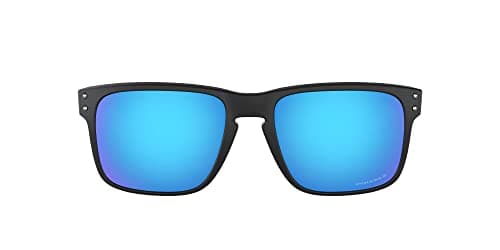
Oakley Oakley Holbrook (Prizm Polarized)
Oakley Holbrook (Prizm Polarized)

Oakley's polarized option in its most wearable frame — the version to buy if you are not buying Oakley for sport.

Driving, water and everyday Oakley wear
7.6
Check price →
02
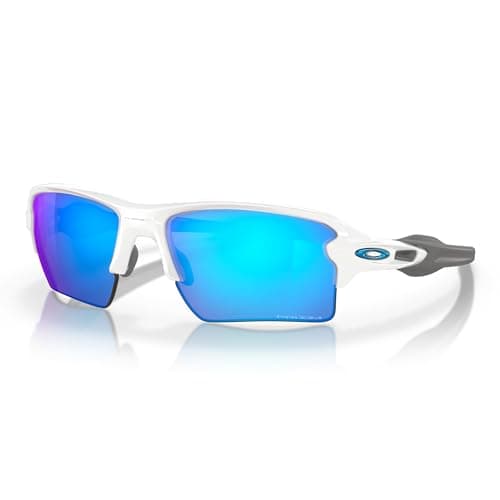
Oakley Oakley Flak 2.0 XL (Prizm)
Oakley Flak 2.0 XL (Prizm)

The golfer's default. Prizm lifts fairway and green contrast without the polarized downsides.

Best golf sunglasses overall
7.6
$214.00Amazon
03
Oakley Oakley Radar EV Path (Prizm)
Oakley Radar EV Path (Prizm)

The pro-peloton default. Prizm contrast, huge coverage, and a price to match.

The premium cycling shield
8.0
$195.20Amazon
04
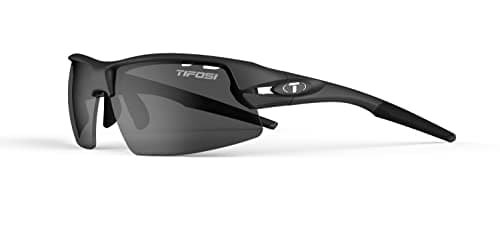
Tifosi Tifosi Crit (Polarized Fototec)
Tifosi Crit (Polarized Fototec)

The rare lens that is both polarized and photochromic — glare control that also tracks the light.

Polarized glare control in changing light
7.6
$99.95Amazon
05
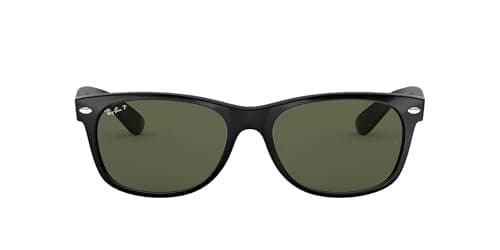
Ray-Ban Ray-Ban New Wayfarer (Polarized)
Ray-Ban New Wayfarer (Polarized)

The default answer for everyday and driving — an icon shape with a genuinely polarized option.

Everyday and driving
7.4
Check price →

#ad · Live prices from the Amazon Product API, as of Sep 5, 2026. Where we have no verified live price, we show none — we would rather leave a gap than print a number that has rotted.

In detail

The picks, in full

01
Oakley Oakley Holbrook (Prizm Polarized)

Driving, water and everyday Oakley wear

Oakley Holbrook (Prizm Polarized)

Prizm Sapphire PolarizedOO9102 HolbrookPlutonite lensSquare lifestyle frame
7.6/10

Oakley's polarized option in its most wearable frame — the version to buy if you are not buying Oakley for sport.

Glare control
9
Optics
9
Fit & coverage
6
Durability
9
Value
5

Pros

  • Polarization and Prizm contrast tuning in one lens, so you are not choosing between glare control and contrast
  • The Holbrook is the Oakley frame that looks least like sports equipment, which is what most polarized buyers actually want
  • Plutonite and Oakley's frame build are why these survive years of daily wear rather than a season

Cons

  • A real premium over the non-polarized Prizm version of the same frame, for a filter a $25 lens also has
  • Flat-ish lifestyle shape lets side light in — it is not a wrap and does not pretend to be

Don't buy this if…

your main use is cycling, golf or any sport where you read a head unit or a subtle surface reflection. Oakley leaves most of its sport lenses non-polarized on purpose, and here the polarized upgrade works against you.

Check price on Amazon →

We don't have a verified live price for this right now, so we aren't showing one.

#ad · we may earn a commission from this link to Oakley Holbrook (Prizm Polarized)

02
Oakley Oakley Flak 2.0 XL (Prizm)

Best golf sunglasses overall

Oakley Flak 2.0 XL (Prizm)

Prizm lensPlutoniteHalf-frameXL coverage
7.6/10

The golfer's default. Prizm lifts fairway and green contrast without the polarized downsides.

Glare control
6
Optics
9
Fit & coverage
8
Durability
9
Value
6

Pros

  • Prizm Golf (and Prizm variants) enhance the green-vs-fairway contrast that helps you read the course
  • Non-polarized by design — polarized lenses can flatten the subtle slope cues golfers rely on when reading greens
  • Half-frame Flak shape stays out of your sightline through the swing

Cons

  • Premium price, and Prizm Golf specifically can look odd off the course
  • Half-frame gives less bottom coverage than a full shield

Don't buy this if…

you want one pair for golf and the boat. Prizm's non-polarized lens is right for greens but won't cut water glare like a polarized fishing lens.

$214.00View on Amazon

Price as of Sep 5, 2026. Prices change — Amazon's is the one that counts.

#ad · we may earn a commission from this link to Oakley Flak 2.0 XL (Prizm)

03
Oakley Oakley Radar EV Path (Prizm)

The premium cycling shield

Oakley Radar EV Path (Prizm)

Prizm lensPlutoniteTall shieldUnobtainium grip
8.0/10

The pro-peloton default. Prizm contrast, huge coverage, and a price to match.

Glare control
6
Optics
10
Fit & coverage
10
Durability
9
Value
5

Pros

  • Prizm tuning boosts the specific contrasts that matter on the road — you pick out cracks and gravel earlier
  • The tall Path lens gives coverage when you're down in the drops and looking up through the top of the lens
  • Oakley's Unobtainium grips tack up with sweat and the build lasts

Cons

  • Expensive — several times the Tifosi Rail for a contrast advantage most riders won't fully exploit
  • Prizm Road is not polarized (by design for cycling), so don't expect glare-off-water behavior

Don't buy this if…

you're a value-focused rider. The Tifosi Rail delivers the coverage and lens options that matter for a quarter of the money.

$195.20View on Amazon

$244.0020% off

Price as of Sep 5, 2026. Prices change — Amazon's is the one that counts.

#ad · we may earn a commission from this link to Oakley Radar EV Path (Prizm)

04
Tifosi Tifosi Crit (Polarized Fototec)

Polarized glare control in changing light

Tifosi Crit (Polarized Fototec)

Fototec photochromicPolarizedSport frameHydrophilic grip
7.6/10

The rare lens that is both polarized and photochromic — glare control that also tracks the light.

Glare control
8
Optics
8
Fit & coverage
8
Durability
7
Value
7

Pros

  • Combines the two lens tricks most brands make you choose between: it darkens with the light AND cancels reflected glare
  • Sport shape and grip pads mean it stays put through a ride, a run or a long day outside
  • A far cheaper route to a polarized photochromic lens than the premium marques charge

Cons

  • Being polarized, it still dims a bike computer or a boat chartplotter — the photochromic half does not fix that
  • Photochromic lenses transition slower in the cold and never reach the darkness of a fixed bright-sun tint

Don't buy this if…

you ride with a head unit. A polarized lens is the wrong tool there no matter how clever the photochromic layer is — take a non-polarized photochromic instead.

$99.95View on Amazon

Price as of Sep 5, 2026. Prices change — Amazon's is the one that counts.

#ad · we may earn a commission from this link to Tifosi Crit (Polarized Fototec)

05
Ray-Ban Ray-Ban New Wayfarer (Polarized)

Everyday and driving

Ray-Ban New Wayfarer (Polarized)

Acetate framePolarized optionCrystal lensIcon shape
7.4/10

The default answer for everyday and driving — an icon shape with a genuinely polarized option.

Glare control
8
Optics
9
Fit & coverage
6
Durability
8
Value
6

Pros

  • The New Wayfarer's slightly smaller, softer profile suits more faces than the original Wayfarer
  • The polarized version cuts glare off wet roads and car hoods, which is exactly what you want driving
  • Crystal (glass) lens options are scratch-resistant in a way the budget acetates here are not

Cons

  • You pay a real brand premium — the same glare control exists for a quarter of the price if the icon status doesn't matter to you
  • Flat lens and modest coverage mean light leaks in from the sides in bright sport settings

Don't buy this if…

you want a wrap for running, cycling or the flats. This is a lifestyle frame — it will slide down your nose the first time you sweat, and it lets side light straight in.

Check price on Amazon →

We don't have a verified live price for this right now, so we aren't showing one.

#ad · we may earn a commission from this link to Ray-Ban New Wayfarer (Polarized)

Pay for polarized if / skip polarized if

Pay if you drive a lot

Glare off a wet road and off the car in front is horizontally aligned reflected light, which is precisely what the filter removes. This is the strongest everyday case.

Pay if you are on or near water

Fishing, boating, the beach. Seeing into water instead of at it is the one thing no tint can do for you.

Skip for cycling, golf and skiing

A dimmed head unit, a flattened green read and a hidden black-ice sheen are all real costs. Buy the non-polarized Prizm variant for these, which is what Oakley intends.

Skip if you are paying for "better" polarization

There is no such thing above a competent budget lens. Polarizing film is mature and cheap, and premium money buys material, coatings and frame, not filtering.

Check the listing, not the price

A more expensive Prizm variant is not polarized unless it says Prizm Polarized. The same frame sells at several prices for exactly this reason.
How we picked

We don't run a testing lab

We compile each pair's published specifications — lens material, polarization, coating, frame material, coverage, UV rating and price — normalize them, and score each against a published rubric. The scores are judgments from documented research; they are notmeasurements we took, because we don't own a lab and we're not going to pretend we do. Pairs we claim to have lab-tested: 0.

Questions

Frequently asked

Are Oakley Prizm lenses polarized?
Most are not. Prizm is a contrast-tuned tint and polarization is a separate filter, sold as a separate option. Oakley does make Prizm Polarized variants and you have to buy the specific one — a more expensive Prizm lens is not polarized unless the listing says so. More in Oakley Prizm explained.
Are Oakley polarized lenses worth the extra money?
For driving, boating, fishing and general bright-day wear, yes — glare removal is genuinely useful and you will notice it daily. For cycling, golf and skiing, no: polarization dims a bike computer, flattens the reflections a golfer reads on a green and hides the sheen of black ice. And it is never worth paying extra in the belief that expensive polarization filters better than cheap polarization, because it does not.
What is the difference between Oakley Prizm and Oakley Polarized?
Prizm boosts specific wavelengths to lift contrast so details stand out; polarized filters out horizontal light waves to kill glare. They are independent properties addressing different problems, and Oakley sells lenses with one, the other, or both. Prizm suits sport and detailed activities; polarized suits water and driving.
Should cycling sunglasses be polarized?
Generally not, which is why most cycling brands including Oakley leave polarization out of their road and trail lenses. A polarized lens dims an LCD head unit at some angles and removes the reflected sheen that tells you a corner is wet. The argument in full is in are polarized lenses good for cycling.
Can I get polarized and photochromic in one lens?
Yes, but it is uncommon and Oakley is not the cheapest route to it. A polarized photochromic sport lens gives you glare control that also tracks the light, at a fraction of the premium price — it is the fourth pick above. The trade-offs between the two technologies are in polarized vs photochromic.
Do more expensive sunglasses have better UV protection?
No. 100% UVA and UVB blocking is the standard the American Optometric Association recommends, and it is met at every price on this page and far below it. UV protection is the one thing in sunglasses you genuinely cannot buy your way to more of — see UV protection explained.

Keep reading

Receipts

Sources

We do not run a testing lab, and we do not pretend to. Where a spec or measurement came from a manufacturer or a third party, we name and link it. Where we could not verify something, we say so on the page rather than quietly leaving it out. Read our full method.