Oakley, and the case for Prizm
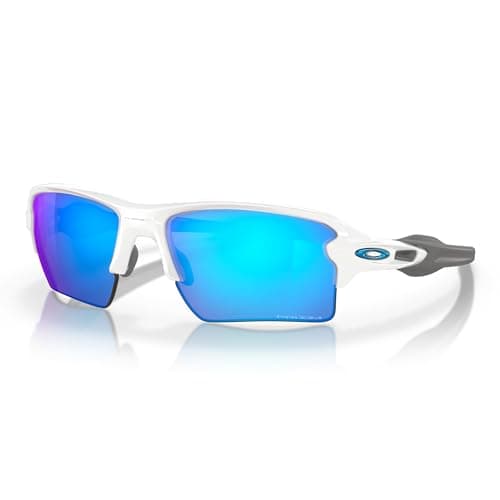
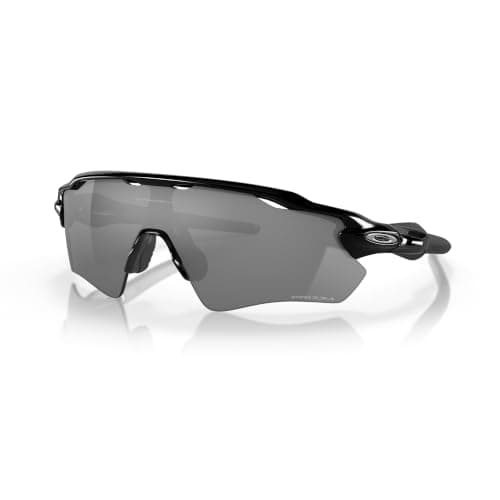
Oakley is the brand that made performance sunglasses a category, and its modern pitch rests on two pillars: Plutonite lens material that blocks all UV, and Prizm, a contrast-tuning technology that boosts the specific colors that matter in a given sport. The Flak 2.0 XL is its golf-and-general workhorse; the Radar EV Path is the cycling shield you see across the pro peloton. Both are excellent, both are expensive, and the honest question for a buyer is whether the Prizm advantage is worth the premium for your use.
What Oakley gets right
Prizm is real, not a sticker. Rather than just darkening a scene, it selectively tunes contrast so the details that matter jump out — the green-versus-fairway transition a golfer reads, or the cracks and gravel a cyclist needs to spot early at speed. Oakley pairs that with genuinely sport-first frames: the half-frame Flak stays out of your sightline through the swing, the tall Radar EV gives coverage when you are down in the drops looking up through the top of the lens, and Unobtainium grips tack up with sweat so nothing slides.
- Prizm contrast tuning genuinely lifts the details that matter per sport — a real optical benefit, not marketing gloss.
- Sport-specific frame design: swing-clear half-frames for golf, tall shields for cycling.
- Plutonite lenses block 100% of UV, and the build quality lasts for years.
Which Oakley you want depends entirely on the sport. For the course, our best golf sunglasses roundup puts the Flak against its rivals; for the bike, our cycling sunglasses roundup does the same for the Radar EV.
Which Prizm lens matters more than the frame
Prizm is not a single lens but a family, and picking the right one is the real decision with Oakley. Prizm Golf is tuned to lift the green-versus-fairway contrast a golfer reads and looks distinctly pink off the course; Prizm Road boosts the specific contrasts a cyclist needs and is deliberately non-polarized; and Oakley also sells genuinely polarized Prizm options aimed at water and driving. Buy the wrong Prizm for your sport and you get a great lens doing the wrong job. Oakley layers this onto a huge frame lineup, from the half-frame Flak to the tall Radar EV shield, with grip and fit systems built for sweat and speed. The upside is that there is almost certainly an Oakley tuned for exactly what you do; the downside is that the naming can bury the one thing that matters, which is matching the lens tuning to your actual use before you fall for a frame.
What Oakley gets wrong (or asks you to pay for)
Price is the headline caveat. Oakley costs several times what a capable value brand charges for comparable coverage, and the Prizm contrast advantage, while real, is a refinement most weekend players and riders will not fully exploit. Two smaller catches: Prizm sport lenses like Prizm Golf and Prizm Road are deliberately non-polarized, so do not expect glare-off-water behavior from them, and a specialized tint like Prizm Golf can look distinctly odd off the course. These are considered design choices, not flaws — but they shape who should buy.
The lens and frame tech, explained honestly
Prizm works by filtering specific wavelengths to widen the perceived gap between colors your eye struggles to separate — Oakley details the approach on its official Prizm page. Crucially, most Prizm sport lenses are non-polarized on purpose. On a golf green, polarization can flatten the subtle slope and surface cues you read for a putt; on a bike, it dims your computer's LCD and can mask wet-road sheen. So Oakley uses contrast tuning instead of polarization for those sports, which is the right engineering call — we explain the golf side in our polarized sunglasses for golf guide and the cycling side in are polarized lenses good for cycling.
How Oakley's pricing compares
Oakley sits firmly at the premium end. A value sport brand delivers the coverage, lens options and sweat grip that matter most for a fraction of the price; what Oakley adds on top is Prizm's contrast tuning and a decade of build quality. If you play or ride often and want every edge, that premium can be worth it. If you are value-focused, the honest truth is that a good mid-priced shield gets you most of the way, and we say so plainly in the category roundups.
Are Oakley sunglasses worth it?
For frequent, committed golfers and cyclists, yes — Prizm delivers a genuine contrast edge, the frames are engineered for the sport, and they hold up. Owners consistently praise the clarity and the fit through the swing or a fast descent, and that enthusiasm lines up with what Prizm is built to do. The resale value and long lifespan also soften the initial sticker shock over the years you actually keep a pair. If the sport is a real part of your week, Oakley is a defensible splurge.
Who should skip Oakley
Skip Oakley if you are value-focused — a mid-priced shield delivers the coverage and lens versatility that decide most rounds and rides for a quarter of the money. Skip a Prizm sport lens if you specifically want polarized glare control for water or driving, since those lenses are non-polarized by design. And skip a specialized tint like Prizm Golf if you want one do-everything pair, because it is tuned for the course, not the boat. For a single pair that crosses over, our golf roundup flags the polarized crossover options instead.