Skip to content
PolarizedClub

Head to head · Premium icons

Ray-Ban vs Oakley: Which Should You Buy?

Two brands at the same price with opposite design briefs. One is a wardrobe decision; the other is equipment. Buy the wrong one and you will notice within a week.

By Stephen V.Updated How we rate
#ad

We earn a commission when you buy through our Amazon links, at no extra cost to you. It never affects our rankings, and we say so when the cheaper pair is the better buy. How this works.

Buy the Oakley Holbrook in Prizm Polarized if you want one premium pair that handles driving, the water and anything active — it is the pick of this page. Buy a Ray-Ban (New Wayfarer or Aviator, polarized version) if the pair is a style decision you want to still like in ten years and your idea of exercise is a walk. Do not buy either if your real need is sport: the Oakley Flak 2.0 XL below is the sport answer, and a $30 pair does the glare job nearly as well.

"Ray-Ban or Oakley" is the most common premium sunglasses question there is, and the reason it is hard to answer is that the two brands are not really competing for the same job. Ray-Ban sells shapes — the Wayfarer and the Aviator are two of the most recognisable objects of the last century, and the lens is there to serve the frame. Oakley sells optics and retention — the frame exists to hold a tuned lens still on a moving face. Both sit at roughly the same price, which is exactly why people get this wrong.

One thing to get straight before anything else: neither brand gives you more UV protection than a $20 pair. The Vision Council and the American Optometric Association both treat UV blocking as the health function of a sunglass, and it is unrelated to price. What the money buys here is lens quality, frame engineering and the shape on your face. Our are expensive sunglasses worth it page does that math in full.

FactorRay-BanOakley
Core design briefIcon shapes first; the lens serves the lookLens and retention first; the frame serves the lens
Lens storyClassic tints (G-15), glass crystal options, polarized on selected modelsPrizm contrast tuning on Plutonite, polarized offered as a separate lens
Polarized by default?No — you must pick a polarized SKUNo — most Prizm sport lenses are deliberately non-polarized
Grip when you sweatSmooth acetate or metal; slides as your face warmsRubber nosepads and earsocks that tack up when damp
CoverageFlat-ish lifestyle lenses; side light gets inWrapped and tall lens options up to goggle scale
Replaceable lensesNot a consumer-level feature on most modelsYes on the sport frames — swap tints yourself
Best forEveryday, driving, holiday, looking like yourselfDriving, water, running, riding, golf, anything with movement

The short answer

Quick picks

#ProductBest forScorePrice
01
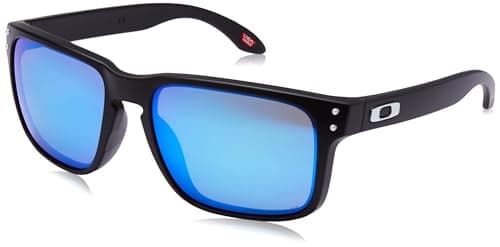
Oakley Oakley Holbrook (Prizm Polarized)
Oakley Holbrook (Prizm Polarized)

Oakley's polarized option in its most wearable frame — the version to buy if you are not buying Oakley for sport.

Driving, water and everyday Oakley wear
7.6
$237.00Amazon
02
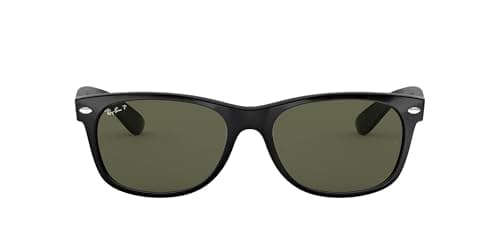
Ray-Ban Ray-Ban New Wayfarer (Polarized)
Ray-Ban New Wayfarer (Polarized)

The default answer for everyday and driving — an icon shape with a genuinely polarized option.

Everyday and driving
7.4
$231.00Amazon
03
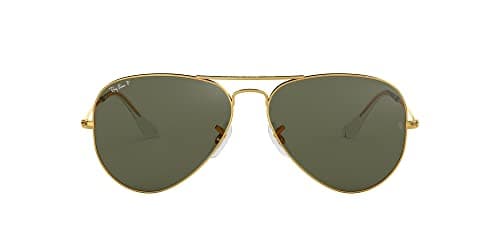
Ray-Ban Ray-Ban Aviator Classic (RB3025, Polarized)
Ray-Ban Aviator Classic (RB3025, Polarized)

The most recognizable sunglass ever made, in the version that actually cuts glare.

The icon, with a real polarized lens
7.0
$244.00Amazon
04
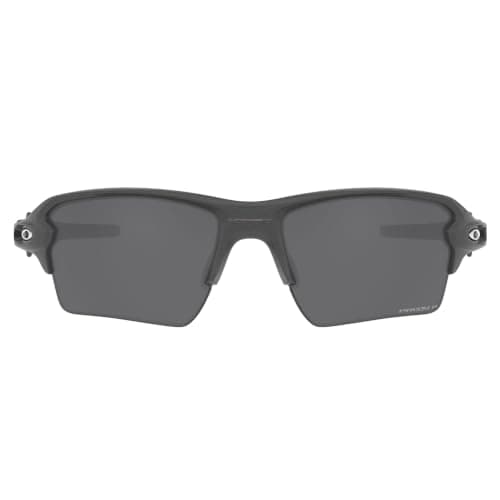
Oakley Oakley Flak 2.0 XL (Prizm Polarized)
Oakley Flak 2.0 XL (Prizm Polarized)

The polarized version of the sport frame runners already know — and the one Oakley lens list that actually says polarized.

A polarized lens in a true sport frame
7.8
$267.00Amazon
05
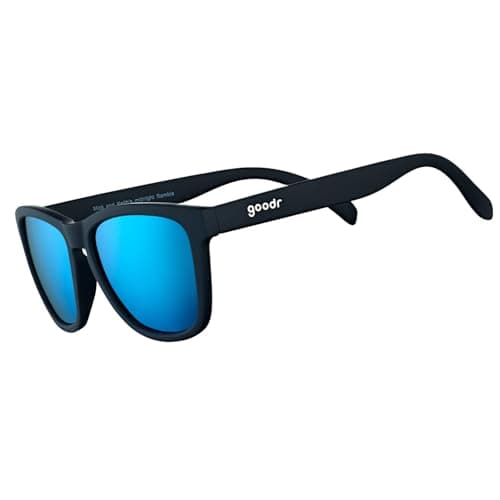
goodr goodr OG (Polarized)
goodr OG (Polarized)

The runner's default: polarized, no-slip, and cheap enough to not baby.

Best running sunglasses overall
8.0
$30.00Amazon

#ad · Live prices from the Amazon Product API, as of October 19, 2026. Where we have no verified live price, we show none — we would rather leave a gap than print a number that has rotted.

In detail

The picks, in full

01
Oakley Oakley Holbrook (Prizm Polarized)

Driving, water and everyday Oakley wear

Oakley Holbrook (Prizm Polarized)

Prizm Sapphire PolarizedOO9102 HolbrookPlutonite lensSquare lifestyle frame
7.6/10

Oakley's polarized option in its most wearable frame — the version to buy if you are not buying Oakley for sport.

Glare control
9
Optics
9
Fit & coverage
6
Durability
9
Value
5

Pros

  • Polarization and Prizm contrast tuning in one lens, so you are not choosing between glare control and contrast
  • The Holbrook is the Oakley frame that looks least like sports equipment, which is what most polarized buyers actually want
  • Plutonite and Oakley's frame build are why these survive years of daily wear rather than a season

Cons

  • A real premium over the non-polarized Prizm version of the same frame, for a filter a $25 lens also has
  • Flat-ish lifestyle shape lets side light in — it is not a wrap and does not pretend to be

Don't buy this if…

…your main use is cycling, golf or any sport where you read a head unit or a subtle surface reflection. Oakley leaves most of its sport lenses non-polarized on purpose, and here the polarized upgrade works against you.

$237.00View on Amazon

Price as of October 19, 2026. Prices change — Amazon's is the one that counts.

#ad · we may earn a commission from this link to Oakley Holbrook (Prizm Polarized)

02
Ray-Ban Ray-Ban New Wayfarer (Polarized)

Everyday and driving

Ray-Ban New Wayfarer (Polarized)

Acetate framePolarized optionCrystal lensIcon shape
7.4/10

The default answer for everyday and driving — an icon shape with a genuinely polarized option.

Glare control
8
Optics
9
Fit & coverage
6
Durability
8
Value
6

Pros

  • The New Wayfarer's slightly smaller, softer profile suits more faces than the original Wayfarer
  • The polarized version cuts glare off wet roads and car hoods, which is exactly what you want driving
  • Crystal (glass) lens options are scratch-resistant in a way the budget acetates here are not

Cons

  • You pay a real brand premium — the same glare control exists for a quarter of the price if the icon status doesn't matter to you
  • Flat lens and modest coverage mean light leaks in from the sides in bright sport settings

Don't buy this if…

…you want a wrap for running, cycling or the flats. This is a lifestyle frame — it will slide down your nose the first time you sweat, and it lets side light straight in.

$231.00View on Amazon

Price as of October 19, 2026. Prices change — Amazon's is the one that counts.

#ad · we may earn a commission from this link to Ray-Ban New Wayfarer (Polarized)

03
Ray-Ban Ray-Ban Aviator Classic (RB3025, Polarized)

The icon, with a real polarized lens

Ray-Ban Aviator Classic (RB3025, Polarized)

Metal framePolarized optionTeardrop lensAdjustable nose pads
7.0/10

The most recognizable sunglass ever made, in the version that actually cuts glare.

Glare control
8
Optics
9
Fit & coverage
6
Durability
7
Value
5

Pros

  • The teardrop shape has softened faces for seventy years, and it flatters square and angular faces particularly well
  • Adjustable nose pads are rare at this level and let you dial in fit in a way molded bridges cannot
  • The polarized version does the real glare job on wet roads and water, not just the look

Cons

  • You pay a substantial brand premium — the glare control alone is available for a tenth of the price
  • Thin metal arms and a large lens mean modest side coverage and no grip when you sweat

Don't buy this if…

…you want a sport pair. Metal arms and a flat teardrop lens are the wrong tool for a run, a ride or a bright flat.

$244.00View on Amazon

Price as of October 19, 2026. Prices change — Amazon's is the one that counts.

#ad · we may earn a commission from this link to Ray-Ban Aviator Classic (RB3025, Polarized)

04
Oakley Oakley Flak 2.0 XL (Prizm Polarized)

A polarized lens in a true sport frame

Oakley Flak 2.0 XL (Prizm Polarized)

Prizm Black PolarizedOO9188 Flak 2.0 XLXL lens coverageSwappable lenses
7.8/10

The polarized version of the sport frame runners already know — and the one Oakley lens list that actually says polarized.

Glare control
9
Optics
9
Fit & coverage
8
Durability
9
Value
4

Pros

  • Polarization and Prizm contrast tuning in one lens, in a half-frame sport shape that stays out of your sightline
  • XL lens coverage and Oakley's frame build are the two things this money genuinely buys
  • Lenses are swappable, so a dark polarized lens is not a one-way decision about every run you will do in this frame

Cons

  • A very large premium over the non-polarized Prizm Flak for a filter a $25 lens also has
  • Oakley leaves most of its sport lenses non-polarized on purpose — buying the polarized one means opting into dimmed watch and computer screens
  • Half-frame design gives less bottom coverage than a full shield in low sun

Don't buy this if…

…the pair is for running and nothing else. Nothing here makes you faster, and the glare control in a $30 goodr is the same physics. Buy this because you want the frame.

$267.00View on Amazon

Price as of October 19, 2026. Prices change — Amazon's is the one that counts.

#ad · we may earn a commission from this link to Oakley Flak 2.0 XL (Prizm Polarized)

05
goodr goodr OG (Polarized)

Best running sunglasses overall

goodr OG (Polarized)

PolarizedUV400No-slip grip coating~ standard fit
8.0/10

The runner's default: polarized, no-slip, and cheap enough to not baby.

Glare control
8
Optics
7
Fit & coverage
8
Durability
7
Value
10

Pros

  • goodr's grip coating genuinely stops the bounce and slide that ruins a run in a lifestyle frame
  • Polarized and UV400 at a price where losing a pair doesn't sting
  • Light enough that you forget you're wearing them by mile two

Cons

  • One size; a very narrow or very wide face may not get a perfect seal
  • Flat-ish lens gives less side coverage than a true sport shield

Don't buy this if…

…you want maximum wraparound coverage or interchangeable lenses for changing light. goodr is fit-and-forget, not a modular system.

$30.00View on Amazon

Price as of October 19, 2026. Prices change — Amazon's is the one that counts.

#ad · we may earn a commission from this link to goodr OG (Polarized)

The lens conversation: contrast tuning versus classic tint

Oakley's central lens claim is Prizm, which the brand describes as filtering specific wavelengths to lift the contrast that matters in a given environment — road, trail, golf course, water. It is marketed per-sport, and the shift it makes is real rather than imagined: a Prizm Golf lens genuinely separates grass tones more than a neutral grey does. What Prizm is not is a glare filter. Polarization is a separate option, and most Prizm sport lenses are sold deliberately unpolarized because a polarized lens hides the surface reflections an athlete uses to read wet ground. We unpack that in Oakley Prizm explained.

Ray-Ban's lens story is older and simpler. The G-15 tint that ships on the classic Aviator is a neutral green-grey that has barely changed since it was specified for pilots, and the brand offers crystal (glass) lenses on many models, which resist scratching in a way the budget acetates on this site do not. Polarized versions exist across the range but you have to select them — buying "a Ray-Ban" does not get you a polarized lens by default, and that catches people out constantly. Use the polarization check on any pair you are unsure about.

The honest summary: for staring at a road or a lake, both brands' polarized lenses are excellent and close to each other. For moving fast across changing terrain, Oakley's lens range is built for the problem and Ray-Ban's is not. Neither improves on the other's UV performance, which the Cleveland Clinic describes as the actual protective job of any sunglass.

Fit and retention is where most buyers are disappointed

This is the part the spec sheets hide. Ray-Ban frames are smooth — acetate on the Wayfarer, metal with silicone pads on the Aviator. As your face warms up, smooth frames get slicker, which is why a Wayfarer starts creeping down your nose on a hot walk and why nobody runs in one. Oakley builds the opposite behaviour in: the rubber nosepads and earsocks on the sport frames grip harder as they get damp, which is the single reason Oakley dominates on faces that move.

Coverage follows the same split. A Wayfarer or Aviator lens is close to flat and modest in height, so light arrives from the sides and from below — fine in a car, poor on open water or a snowfield. Oakley's sport lenses wrap and run tall; the Flak 2.0 XL above is the extreme version. If you have a wider face, note that the Oakley sport line sizes up more generously than the Ray-Ban lifestyle shapes; our frames for big heads guide covers that properly, and how to choose sunglasses size has the measurements to take first.

Durability, serviceability and what happens when you break them

Oakley's sport frames take replaceable lenses, which changes the economics of a scratch: you buy a lens, not a pair. Ray-Ban treats the lens as part of the product, so a deep scratch on a Wayfarer is usually the end of it unless you go through an optician. On the other hand, a Ray-Ban acetate frame with a glass lens is a genuinely long-lived object — the shape does not date and the lens resists the scuffs that kill plastic. Pick your failure mode: Oakley's is serviceable, Ray-Ban's is durable but final. Our when to replace sunglasses page covers when a lens is actually finished rather than just marked.

The case for buying neither

At these prices it would be dishonest not to say it: the glare filtering and UV blocking that do the work are available for about a tenth of the money. The goodr OG in the picks above is polarized, UV400, grips a sweaty face, and costs roughly what a Ray-Ban lens cloth does. What you give up is optical polish at the lens edge, coating life, and the thing you are actually buying from Ray-Ban, which is the shape. If the icon matters to you, that is a legitimate reason to spend the money — just make the trade knowingly. The whole field is ranked in the best sunglasses of 2026, and the budget end is in best cheap polarized sunglasses.

The verdict, stated plainly

One pair for everything: the Oakley Holbrook in Prizm Polarized. It is a square lifestyle shape that does not look like sports equipment, with a polarized Prizm lens that handles the road and the water, and Oakley's grip hardware on a frame you can wear to dinner. One pair for style: a polarized Ray-Ban, New Wayfarer if you want the smaller, softer profile, Aviator if you want the metal icon. One pair for sport: the Oakley Flak 2.0 XL, and Ray-Ban is not in the conversation. If you want the Oakley optics argument tested against the other premium lens brand, read Oakley vs Maui Jim; for the men's shortlist across price tiers, see best polarized sunglasses for men.

How to decide in 30 seconds

Will you sweat in them?

Yes → Oakley. The rubber nosepads and earsocks are the feature, and Ray-Ban has no answer to them at any price.

Is this mostly a style purchase?

Then Ray-Ban, and pick the shape before the lens. Just make sure the SKU you order says polarized if you want polarized — it is an option, not a default.

Do you drive a lot?

Either brand works, but buy polarized: reflected glare off a wet road and a car hood is exactly the glare a polarized lens removes. See the best sunglasses for driving.

Do you read a screen in them?

A bike computer, a chartplotter, a phone at a gas pump → think twice about polarized from either brand, and consider Oakley's non-polarized Prizm instead.

Is the budget the real constraint?

Then buy neither and spend $30. You keep the glare filter and all of the UV protection, and you lose the shape and the lens polish.
How we picked

We don't run a testing lab

We compile each pair's published specifications — lens material, polarization, coating, frame material, coverage, UV rating and price — normalize them, and score each against a published rubric. The scores are judgments from documented research; they are notmeasurements we took, because we don't own a lab and we're not going to pretend we do. Pairs we claim to have lab-tested: 0.

Questions

Frequently asked

Is Ray-Ban or Oakley better quality?
They are both well made, in different directions. Oakley's sport frames are more durable in use — grippier, more impact-focused, and with replaceable lenses so a scratch is a repair rather than a write-off. Ray-Ban's acetate-and-glass construction is longer-lived as an object but not serviceable in the same way. Neither has an advantage in UV protection. See our Oakley review and Ray-Ban review for the brand-level detail.
Are Ray-Bans polarized?
Some are. Polarization is a lens option across the Ray-Ban range, not a standard feature, so a pair bought without checking may well be a plain tint. The product name or lens description will say polarized if it is; if you already own the pair, look at a phone screen through one lens and rotate the glasses 90 degrees — a polarized lens darkens or blacks the screen out as you turn it.
Is Oakley Prizm the same as polarized?
No, and this is the most common misunderstanding about the brand. Prizm is contrast tuning — filtering particular wavelengths so certain details stand out. Polarization is a separate glare filter. Oakley sells Prizm Polarized lenses that do both, but a large part of the Prizm sport range is non-polarized on purpose. Full explanation in Oakley Prizm explained.
Which is better for driving, Ray-Ban or Oakley?
Both are good and the brand matters less than the lens: buy polarized either way. The Oakley Holbrook in Prizm Polarized is our pick because it adds grip and a little more coverage without looking sporty; a polarized Ray-Ban Aviator or New Wayfarer is the stylish equivalent. One caveat applies to both: a polarized lens dims LCD dashboards and phone screens.
Which is better for running or cycling?
Oakley, with no real argument. Ray-Ban makes no retention hardware and no wrapped sport coverage. Within Oakley, prefer a non-polarized Prizm lens if you ride with a head unit. The full field for each sport is in our running roundup and cycling roundup— and note that in both, a $30 pair places well.

Keep reading

Receipts

Sources

We do not run a testing lab, and we do not pretend to. Where a spec or measurement came from a manufacturer or a third party, we name and link it. Where we could not verify something, we say so on the page rather than quietly leaving it out. Read our full method.