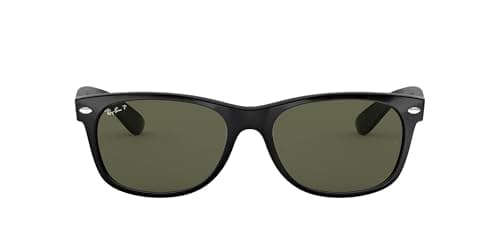
Buy Serengeti if the purchase is about how you see: a photochromic mineral-glass lens that lightens and darkens as the light changes is the better driving tool, and nothing in Ray-Ban's range does it. Buy Ray-Ban if the purchase is about what you wear — the shapes are icons, the build is good, the polarized versions are genuinely strong everyday lenses, and they are far easier to actually buy. Two practical warnings before you order either: on Ray-Ban, polarization is an option rather than a default, and on Serengeti the polarized mineral-glass models move in and out of stock and currently sit ABOVE the Ray-Bans on price, which inverts the brand's usual value argument.
This comparison gets framed as premium-versus-premium and that is the wrong axis. Serengeti is a lens company that sells frames; Ray-Ban is a frame company that sells lenses. Both of those are legitimate businesses to be in, but they answer different questions, and the money goes to different places.
What you are actually choosing between
Serengeti: a lens that moves. Serengeti's own technologies page describes three stacked features: photochromic lenses activated by UV that transition gradually from light to dark; Spectral Control, a blue-light filtering treatment applied by passing each lens through a hydrogen-fueled furnace; and a polarization layer the brand says eliminates 99.9% of disruptive glare. The glass is Corning borosilicate, which Serengeti states is 20% thinner and lighter than other lenses — the reason a glass Serengeti does not wear like a paperweight. Note carefully that not every Serengeti is polarized: the range splits into photochromic-only and polarized-photochromic models, so the SKU decides.
Ray-Ban: a frame catalog with a lens menu. Per the Ray-Ban lens guide, the signature G-15 is a smoky green-gray lens at 15% VLT non-polarized and 11% polarized, available in crystal glass or polycarbonate; polarization is offered across many lens colors as an optionrather than as standard; Chromance — the brand's high-contrast polarized lens with anti-reflective and hydrophobic treatments — is only available in Chromance frames; and every Ray-Ban lens provides 100% UV protection. That last point is the one worth internalizing: the UV is not what you are paying extra for.
| Factor | Serengeti | Ray-Ban |
|---|
| Lens behavior | Photochromic — lightens and darkens with UV | Fixed tint — the lens you bought, all day |
| Polarized? | On selected models only — check the SKU | An option on many lenses, not a default — check the SKU |
| Glass | Corning borosilicate mineral glass, core to the brand | Crystal glass available on classics; polycarbonate elsewhere |
| Signature treatment | Spectral Control blue-light filtering, 555nm contrast tint | G-15 tint; Chromance contrast lens on select frames |
| Behind a windshield | Often lighter than expected — the glass blocks the UV trigger | Predictable, because nothing adapts |
| Why people buy it | How the lens performs in changing light | The shape, and the recognition |
| Range of shapes | Narrow — mostly driving and lifestyle frames | Enormous, and the reference point for frame shapes |
| Street price | Mid to high — see the live prices above | High for an acetate or metal lifestyle frame |
Who each pick is for
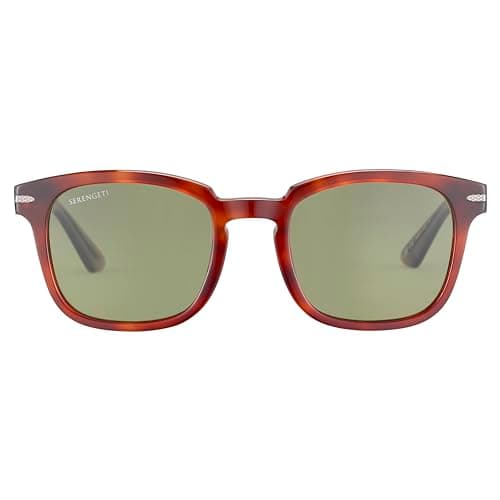
- Serengeti Ethan— the driver and the dawn-start walker. Polarized mineral glass with a 555nm tint and a Cat 3-to-3 photochromic range, so one lens covers a bright afternoon and an overcast morning. The honest caveats are the price, which sits at the top of this page, and stock: Serengeti's Amazon listings are thin and rotate between models.
- Ray-Ban New Wayfarer— the default everyday answer, and the rank-1 pick here on availability as much as on merit. Slightly smaller and softer than the original Wayfarer, which suits more faces, and the polarized version is a serious driving lens.
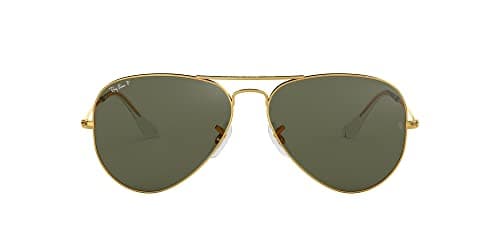
- Ray-Ban Aviator Classic— the other icon, and the better choice if you want a metal frame and a larger field of view.
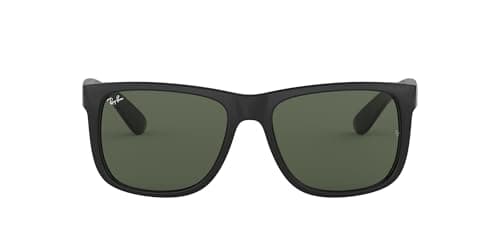
- Ray-Ban Justin— the cheapest route into the brand here, in a bigger, more modern rectangular shape.
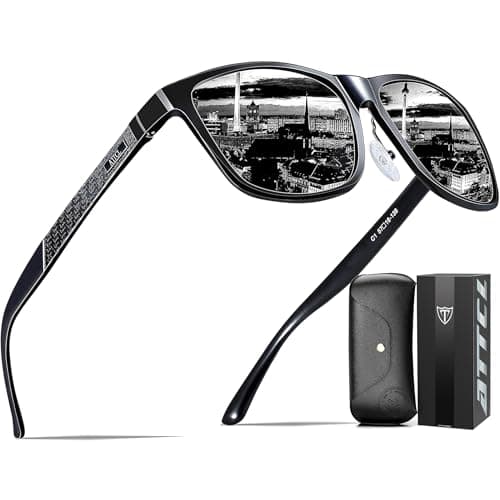
- ATTCL polarized (driving)— the honesty pick. A fraction of either brand, with a polarizing filter that does the identical job. If you have never owned polarized, start here; see best sunglasses for driving.
For driving specifically, Serengeti has the better argument
A commute is not a constant light environment. It runs through tunnels, underpasses, tree lines and the sudden brightness of an exit ramp, and a lens that adapts is worth more than a lens that is perfect once. That is the entire Serengeti pitch and it holds up. The brand has been a driver's brand for decades for this reason.
There is a real caveat and it cuts against the pitch: photochromic lenses are triggered by UV, and a modern laminated windshield blocks a large share of UV, so a photochromic lens in a car usually sits lighter than it would outside. For many drivers that is the point — you want a lens you can keep on in a tunnel. If you want a genuinely dark lens behind glass, a fixed tint is the safer buy, which is an argument for Ray-Ban. One practical point pulls the same way: Ray-Ban is stocked everywhere and Serengeti's polarized glass models are not, so the Serengeti you want is not always the Serengeti you can buy. We cover the mechanism in polarized vs photochromic, and the into-the-sun case in best sunglasses for driving into the sun.
The polarization trap on both sides
Buyers assume polarization comes with the price on both of these brands and it does not. On Serengeti, the range splits into photochromic-only and polarized-photochromic models. On Ray-Ban, polarization is a lens option you select; the base G-15 is sold in both forms, at 15% VLT non-polarized and 11% polarized. Two conclusions follow. First, read the lens line on the listing before you buy, every time. Second, do not treat a high price as evidence of a polarizing filter — that is exactly the assumption that gets people a $200 pair that does not cut road glare. If you are unsure what you already own, here is how to test a pair in ten seconds.
Glass, weight and what breaks
Serengeti is a glass brand first, and its thinner borosilicate is a direct answer to the usual objection that glass is heavy. Ray-Ban offers crystal glass on its classics and polycarbonate elsewhere. Glass stays clear longer and distorts less at the lens edge; it is also heavier and it shatters where polycarbonate deforms. Neither brand is a sport brand, and we would not put either in front of a ball, a crank arm or a trail branch — for that, see the cycling and running hubs, where every pick is polycarbonate on purpose.
What the money actually buys
Not UV protection. Ray-Ban states 100% UV across its entire lens range, and the American Academy of Ophthalmology is explicit that polarization cuts glare but adds nothing to UV protection — it advises looking for a 100% UV or UV400 label regardless of what the pair costs. So the premium on both of these brands buys optical quality, lens behavior, materials, build and, in Ray-Ban's case, design. All real. None of them medical. We run that arithmetic properly in are expensive sunglasses worth it.
Where this comparison usually lands
If the honest reason for the purchase is the look, buy the Ray-Ban and enjoy it — it is a well-built frame and the polarized options are good. If the reason is performance in changing light, especially behind a wheel, buy the Serengeti: nothing in Ray-Ban's range does what a photochromic mineral lens does. And if you cannot tell which reason is driving you, that is useful information too — spend $30 first, as the last pick on this page suggests.
For the adjacent decisions: the glass-optics case is in Maui Jim vs Serengeti, the Ray-Ban range model by model is in the Ray-Ban brand review, and the whole premium field sits on best sunglasses brands.
How to decide in 30 seconds
Is your light constant or changing?
Changing through the day, or mostly behind a windshield → Serengeti. Constant, or you want a predictable tint → Ray-Ban.
Are you buying a lens or a look?
Both are valid. Just be honest about which, because the money goes to different engineering in each brand.
Do you need polarization specifically?
Then read the SKU on both sides. Neither brand polarizes everything, and price tells you nothing about whether a given pair is polarized.
Will the pair ever be used for sport?
Then buy neither in glass. A shattering lens in front of your eye is a bad trade for optics.
What about fit?
Both are lifestyle shapes with modest wrap, so side light gets in. If you need coverage, read how to choose sunglasses size.