The case for a crossover pair
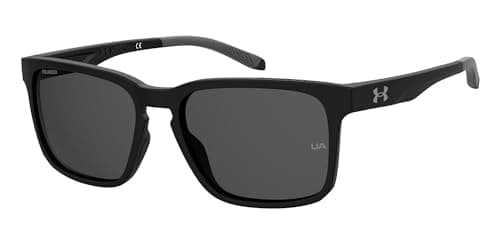
Most sport eyewear is built for one job and is faintly ridiculous everywhere else. Under Armour's sunglasses take a different position: polarized sport frames with enough grip and coverage for the course, the gym bag and a run, and a lens that also cuts glare on the drive home. If you want one pair rather than a collection, that is a genuinely useful thing to be.
It is also, unavoidably, the reason this is not the best golf lens available. The crossover comes from choosing polarization, and polarization is the one lens property that is genuinely contentious on a golf course.
What Under Armour gets right
Polarized, which most golf-specific lenses are not. That makes this the pair that works on water, on wet roads and in a car park, where a dedicated non-polarized course lens simply dims things. For a golfer whose sunglasses also have to be their driving pair, that is the deciding feature. The mechanism is explained by the Cleveland Clinic.
Sport build and grip. Grip pads at the nose and temples hold as you heat up, which is what keeps a frame stable through a swing and over eighteen holes of walking. Under Armour understands athletic fit and it shows.
Mid price from a known brand. It sits below the premium optics tier while offering a genuinely polarized sport frame, which is a sensible place on the ladder.
Genuine versatility. Course, run, drive, gym. This is a real benefit that specification-led reviews tend to undervalue, because owning one pair you actually wear beats owning three you do not.
The polarization problem on a green
Here is the honest limitation, and it is the whole reason a golfer might choose something else. Polarized lenses remove reflected light — and some of the reflected light off a putting surface is information. Many players find polarization flattens the subtle sheen and slope cues they use to read grain and break.
That is why several dedicated golf lenses, including Oakley's Prizm Golf, are deliberately non-polarized and instead use contrast tuning to separate green from fairway. It is a genuine engineering disagreement rather than a marketing one, and we lay out both sides in polarized sunglasses for golf.
The practical resolution: if you read greens carefully and score matters, a non-polarized contrast lens is the better tool. If you play socially, want comfort over five hours in the sun, and want the same pair for the drive, polarized is the more useful choice overall and the green-reading cost is subtle.
What else it gives up
No contrast tuning. Under Armour does not publish an engineered contrast technology in the way Oakley does with Prizm. You get a competent polarized tint, not a lens engineered to lift fairway-versus-green separation.
Less published lens documentation. As with most apparel-brand eyewear, there is less stated about the lens than the optics-first brands provide, which constrains what we can responsibly claim.
Not a specialist at anything. That is the nature of a crossover. For fishing you want contrast tuning; for cycling you want non-polarized and bigger coverage; for pure golf you want a course lens. This does all of them adequately and none of them best.
Where it fits against the alternatives
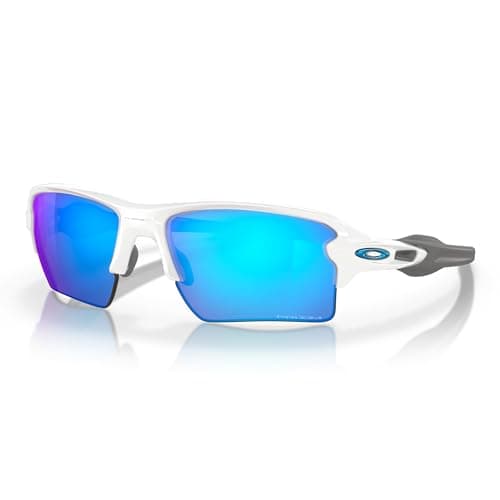
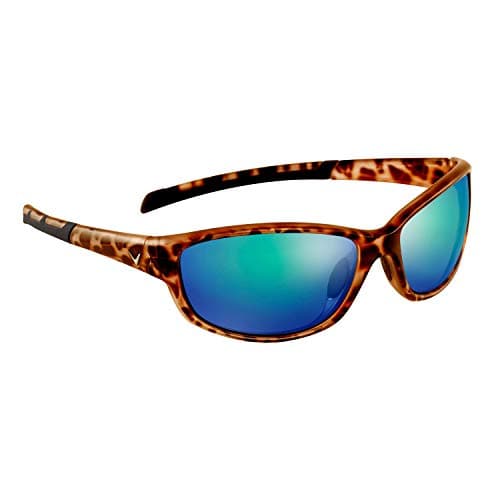
Against Oakleyon a course, Oakley's Prizm Golf wins on green-reading and costs considerably more. Against Callaway, the two are close: Callaway is golf-first with a general course tint, Under Armour is sport-first with polarization. Choose on whether you want the pair to work in the car — our Callaway review takes the other side.
Against a budget sport wrap, you are paying for build quality, brand and fit rather than a better lens technology, which is a fair trade if the fit suits you. Everything is ranked together in our golf sunglasses roundup.
Are Under Armour sunglasses worth it?
For a golfer who wants one polarized pair that also handles driving, general sport and time near water, yes — the versatility is real and the build is good. For a golfer optimizing purely for reading greens, no: a non-polarized contrast lens does that specific job better, and that is worth knowing before you spend. Buy this as the sport pair that covers most of your life, not as the best course lens made.