Skip to content
PolarizedClub

Sport · Hiking & trail

The Best Sunglasses for Hiking

Altitude changes the maths. The higher you go the more ultraviolet reaches you — and above the treeline an ordinary dark lens stops being enough.

By Stephen V.Updated How we rate
#ad

We earn a commission when you buy through our Amazon links, at no extra cost to you. It never affects our rankings, and we say so when the cheaper pair is the better buy. How this works.

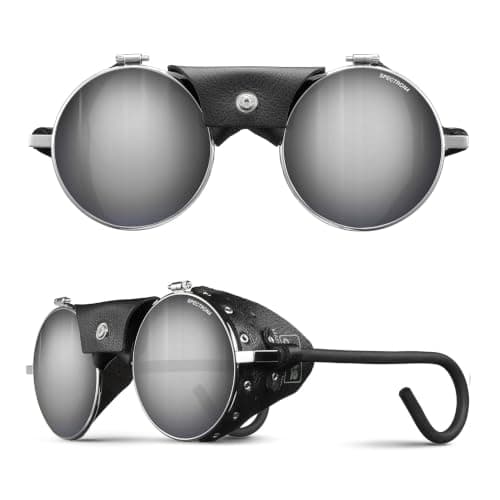
For most hiking — trails, forests, hills, anything below the snowline — a light polarized frame with decent coverage is all you need, and the Native Breck is our pick for the pair you will actually keep wearing at the pub afterwards. Go up into snow, glacier or sustained high altitude and the requirement changes completely: you want a category 4 lens with side shields, and the Julbo Vermont Classic is the archetype.

Hiking spans a wider range of light conditions than any other use on this site. A woodland trail in dappled shade and a snowfield at 3,000 meters are not the same optical problem, and the pair that is perfect for one is wrong for the other. So rather than pretend one frame covers it, this guide splits on the thing that actually changes: how high you are going, and whether there is snow.

Why altitude matters more than sunshine

Ultraviolet exposure increases with elevation, because there is less atmosphere above you to absorb it. Snow and light-colored rock compound the problem by reflecting UV back up at you from below, which is why mountain eyewear has side shields and why a normal frame leaves you squinting at light arriving from angles it was never designed to block. The American Optometric Association links excessive UV exposure to photokeratitis in the short term — the "sunburn of the eye" that mountaineers know as snow blindness — and to cataracts and other damage over a lifetime.

The important consequence: UV protection and lens darkness are separate specs. A clear lens can block 100% of UV and a very dark lens can block none. Buy UV400 always, then choose darkness for comfort. We separate the two properly in UV protection explained.

Lens categories, and when you need a 4

Sunglasses are graded by how much visible light they transmit. Category 3 — the standard dark tint on essentially every pair sold as sunglasses — is the right level for hiking below the snowline. Category 4 is a specialist tint transmitting only a few percent of visible light, made for glaciers, snowfields and high-altitude brightness where category 3 genuinely is not enough.

Two things to know before you buy one. First, category 4 lenses are not permitted for drivingin many jurisdictions and are a genuinely bad idea behind the wheel — keep a normal pair in the car. Second, they are far too dark for ordinary trail use; walking into a forest wearing a glacier lens is unpleasant and unsafe. If your hiking is a mix, own a category 3 pair and treat a category 4 as dedicated mountain equipment.

Coverage, weight and the fogging trade

The tension in hiking eyewear is between coverage and airflow. More wrap and side protection means less stray light, and also less air moving across the lens on a slow, sweaty climb — which is when fogging happens. Vented frames and lenses are the compromise, and they work.

Weight matters over a long day in a way it does not on a short outing. A light nylon frame you forget about beats a heavier glass-lensed pair you keep taking off, and a pair you take off is protecting nothing. Grip matters for the same reason it does in every sport — a frame sliding down a sweaty nose on a climb is the most reliable way to end up carrying it instead of wearing it. See how to stop sunglasses slipping.

Polarized or photochromic for the trail?

Polarized is a good default for hiking: it kills the glare off wet rock, lakes and pale scree, and there is no bike computer to worry about. The Cleveland Clinic has the mechanism if you want it. The two situations to think twice about are snow and ice, where the reflective sheen is a safety cue you may want to keep, and any trail where you constantly check a phone screen for navigation, since polarized lenses dim LCDs.

Photochromic is the other strong answer, and arguably the better one for long days that start before dawn and finish in full sun. It transitions slower in the cold, which is a real limitation at altitude, and it never gets as dark as a dedicated bright-light lens — but one lens covering the whole day is worth a lot when the alternative is carrying a spare in a pack. The full comparison is in polarized vs photochromic.

How we ranked these

Coverage and UV first, weight and grip second, versatility across conditions third, price fourth. The category 4 pick is ranked as specialist equipment rather than against the all-rounders, because comparing a glacier lens with a trail frame on value is meaningless. Method on how we rate.

The short answer

Quick picks

#ProductBest forScorePrice
01
Native Breck (Polarized)

A trail-and-town polarized frame from a brand built around mountain use — mid price, real fit engineering.

Hiking that ends in a bar
7.8
Check price →
02
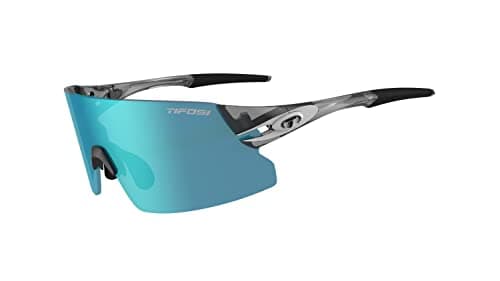
Tifosi Tifosi Rail XC (Interchangeable)
Tifosi Rail XC (Interchangeable)

The value pick for cyclists: big coverage and three lenses for changing light.

Best cycling sunglasses for the money
8.2
$79.95Amazon
03
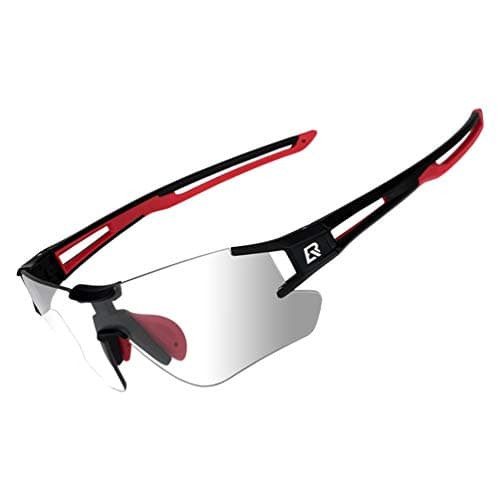
ROCKBROS ROCKBROS Photochromic
ROCKBROS Photochromic

A photochromic lens that darkens with the sun — the budget cyclist's clever pick.

One lens for all-day changing light
7.4
$29.99Amazon
04
Julbo Julbo Vermont Classic (Spectron 4)
Julbo Vermont Classic (Spectron 4)

The original glacier glass — a category 4 lens and side shields for snow, ice and altitude.

Glacier travel, snow and high altitude
8.2
$164.95Amazon
05
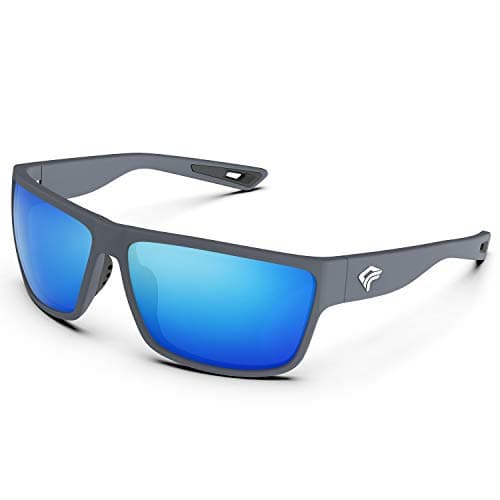
TOREGE TOREGE TR26 Polarized Sport
TOREGE TR26 Polarized Sport

The do-everything budget wrap — polarized, light, and hard to kill.

A first sport pair on a tight budget
7.2
$27.99Amazon

#ad · Live prices from the Amazon Product API, as of Sep 5, 2026. Where we have no verified live price, we show none — we would rather leave a gap than print a number that has rotted.

In detail

The picks, in full

01

Hiking that ends in a bar

Native Breck (Polarized)

PolarizedMid-size frameRubber grip pointsReplaceable lenses
7.8/10

A trail-and-town polarized frame from a brand built around mountain use — mid price, real fit engineering.

Glare control
8
Optics
8
Fit & coverage
8
Durability
8
Value
7

Pros

  • Sits between the sport shields and the lifestyle frames — enough grip and coverage for a trail, restrained enough for anywhere else
  • Native builds around mountain use, so the nose and temple grip are tuned for sweat rather than for a photo
  • Lens replacement is offered, which meaningfully extends the life of a mid-price pair

Cons

  • Less coverage than a true wrap in strong low-angle sun on an exposed ridge
  • Mid-price means you are past the point where value is obvious and short of documented premium lens technology

Don't buy this if…

you want maximum coverage at altitude. A wrap or a glacier lens is the right tool above the treeline; this is a treeline-and-below frame.

Check price on Amazon →

We don't have a verified live price for this right now, so we aren't showing one.

#ad · we may earn a commission from this link to Native Breck (Polarized)

02
Tifosi Tifosi Rail XC (Interchangeable)

Best cycling sunglasses for the money

Tifosi Rail XC (Interchangeable)

Interchangeable lensesBig shieldVentedVery light
8.2/10

The value pick for cyclists: big coverage and three lenses for changing light.

Glare control
6
Optics
8
Fit & coverage
10
Durability
8
Value
9

Pros

  • Ships with multiple lenses so you swap for bright sun, overcast and low light — the right answer for a sport where light changes mid-ride
  • Large shield gives the coverage a road or gravel cyclist actually needs at speed
  • A fraction of the price of the Italian marquee brands for comparable coverage

Cons

  • The included lenses are tinted/contrast, not polarized — deliberate, since polarized can mask road sheen and dims a bike computer
  • Big-shield look isn't for everyone off the bike

Don't buy this if…

you want a do-everything lifestyle frame. This is a cycling tool — glorious on the bike, a lot of sunglasses at a cafe.

$79.95View on Amazon

Price as of Sep 5, 2026. Prices change — Amazon's is the one that counts.

#ad · we may earn a commission from this link to Tifosi Rail XC (Interchangeable)

03
ROCKBROS ROCKBROS Photochromic

One lens for all-day changing light

ROCKBROS Photochromic

Photochromic lensUV40022gMyopia insert
7.4/10

A photochromic lens that darkens with the sun — the budget cyclist's clever pick.

Glare control
6
Optics
7
Fit & coverage
8
Durability
6
Value
10

Pros

  • The lens auto-darkens in bright light and clears in shade — one lens covers a whole ride, no swapping
  • Photochromic (not polarized) is arguably the right choice on a bike: it doesn't mask wet-road sheen or dim a Garmin
  • Includes a myopia insert for prescription wearers, which is rare at this price

Cons

  • Photochromic lenses transition slower in the cold and never go as dark as a dedicated bright-sun lens
  • Budget build; the hinges are the weak point

Don't buy this if…

you ride in extreme bright glare and want the darkest possible lens — a dedicated dark tint beats a photochromic at its darkest.

$29.99View on Amazon

Price as of Sep 5, 2026. Prices change — Amazon's is the one that counts.

#ad · we may earn a commission from this link to ROCKBROS Photochromic

04
Julbo Julbo Vermont Classic (Spectron 4)

Glacier travel, snow and high altitude

Julbo Vermont Classic (Spectron 4)

Spectron 4 lensCategory 4 tintLeather side shieldsMirror finish
8.2/10

The original glacier glass — a category 4 lens and side shields for snow, ice and altitude.

Glare control
9
Optics
9
Fit & coverage
8
Durability
9
Value
6

Pros

  • A category 4 lens is the correct tool for the extreme brightness of snowfields and high altitude, where a normal dark tint is not enough
  • The side shields block the reflected light that comes up off snow from below and around a normal frame
  • A genuinely durable design that has been made in essentially this form for decades

Cons

  • Category 4 lenses are not permitted for driving in many places and are far too dark for general use
  • The heritage styling and the side shields are unmistakable — this is equipment, not an everyday frame

Don't buy this if…

you want one pair for the mountain and the drive home. Category 4 is a specialist tint; keep a normal pair in the car.

$164.95View on Amazon

Price as of Sep 5, 2026. Prices change — Amazon's is the one that counts.

#ad · we may earn a commission from this link to Julbo Vermont Classic (Spectron 4)

05
TOREGE TOREGE TR26 Polarized Sport

A first sport pair on a tight budget

TOREGE TR26 Polarized Sport

TR90 framePolarizedUV400Half-frame wrap
7.2/10

The do-everything budget wrap — polarized, light, and hard to kill.

Glare control
7
Optics
6
Fit & coverage
8
Durability
6
Value
9

Pros

  • A polarized TR90 wrap for pocket money — genuinely useful across running, cycling and casual fishing
  • TR90 nylon shrugs off drops that would snap an acetate frame
  • Rubberized nose and temples hold on when you sweat

Cons

  • Lens coating scratches more easily than the premium picks — treat it as a two-season pair, not a decade one
  • Fit runs large; a narrow face gets gaps at the temples

Don't buy this if…

you want optical precision or a lens that survives being tossed in a bag lens-down. At this price the trade-off is coating durability.

$27.99View on Amazon

Price as of Sep 5, 2026. Prices change — Amazon's is the one that counts.

#ad · we may earn a commission from this link to TOREGE TR26 Polarized Sport

Choosing a hiking pair

1. Decide how high you are going

Below the snowline, a category 3 polarized or photochromic frame is right. Snow, glacier or sustained altitude means category 4 and side shields.

2. Confirm UV400 regardless of darkness

UV protection and tint are separate specs. A clear lens can be fully UV blocking and a very dark one can block none.

3. Buy light, and buy grippy

A long day punishes weight, and a frame that slides ends up in your pack rather than on your face.

4. Take venting seriously

Coverage and fogging pull against each other. Vented frames and lenses are the reason you can have both on a slow climb.

5. Do not drive in a category 4 lens

It is prohibited in many places and unsafe everywhere. Glacier lenses are equipment; keep an ordinary pair for the road.
How we picked

We don't run a testing lab

We compile each pair's published specifications — lens material, polarization, coating, frame material, coverage, UV rating and price — normalize them, and score each against a published rubric. The scores are judgments from documented research; they are notmeasurements we took, because we don't own a lab and we're not going to pretend we do. Pairs we claim to have lab-tested: 0.

Questions

Frequently asked

What sunglasses are best for hiking?
Below the snowline, a light polarized or photochromic frame with reasonable coverage and grip material at the contact points — comfort over a long day matters more than lens refinement. Above the snowline or on glacier, you want a category 4 lens with side shields, which is a different and specialist product.
Do you need category 4 sunglasses for hiking?
Only for snow, glacier and sustained high altitude, where the brightness genuinely exceeds what a standard category 3 dark lens handles. For normal trail hiking a category 3 lens is correct, and a category 4 is unpleasantly dark. Note that category 4 lenses are not permitted for driving in many jurisdictions.
Should hiking sunglasses be polarized?
Usually yes — polarization removes the glare off wet rock, water and pale scree, and unlike cycling there is no screen you need to keep readable. The exceptions are snow and ice, where the reflective sheen can be a useful safety cue, and navigation-by-phone hiking, since polarized lenses dim LCD screens. See polarized vs non-polarized.
Why do my sunglasses fog on a climb?
Because coverage and airflow pull against each other: the wrap and side protection that block stray light also reduce the air moving across the lens, and a slow sweaty climb produces warm humid air with nowhere to go. Vented frames and lenses genuinely help, as does not stopping abruptly at the top. More on lens care in how to clean sunglasses.
Is UV worse at altitude?
Yes. There is less atmosphere above you to absorb ultraviolet, so exposure increases as you climb, and snow and pale rock reflect additional UV back up at you from below. That combination is why mountain eyewear uses side shields and why photokeratitis — snow blindness — is a real risk on unprotected high-altitude days.

Keep reading

Receipts

Sources

We do not run a testing lab, and we do not pretend to. Where a spec or measurement came from a manufacturer or a third party, we name and link it. Where we could not verify something, we say so on the page rather than quietly leaving it out. Read our full method.