Skip to content
PolarizedClub

Sport · Baseball & softball

The Best Sunglasses for Baseball

Baseball is the one sport where you look almost straight up at speed. That single fact decides the frame — and it is why the polarized question is not obvious here.

By Stephen V.Updated How we rate
#ad

We earn a commission when you buy through our Amazon links, at no extra cost to you. It never affects our rankings, and we say so when the cheaper pair is the better buy. How this works.

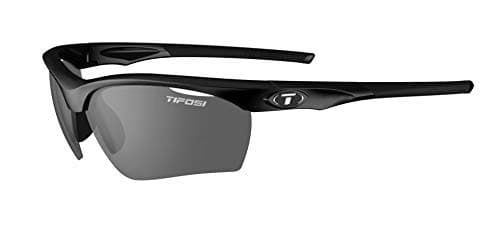
Buy a half-frame sport shield that leaves the top of your vision clear, with grip material at the nose and temples. The Oakley Flak 2.0 XL is the shape the sport settled on and the reference pick; the Tifosi Vero does the same job for a fraction of the money. If you play outfield and track balls against a bright sky, think hard before buying polarized — that is the one spec in this category that can work against you.

Almost every sport asks your eyewear to handle glare and stay put. Baseball adds a requirement nothing else does: you routinely look up, fast, and the ball you are tracking is small, pale and moving against the brightest part of the sky. A frame with a thick upper rim puts a black bar exactly where the ball is. A frame that shifts when you break on a fly ball costs you the first step. Everything below follows from those two facts.

1. The sightline decides the frame

This is why baseball converged on the half-frame shield — a lens with no rim across the top, held from below. Look up through it and there is nothing in the way. The Oakley Flak shape has been the visible standard on major-league fields for years for exactly this reason, and the cheaper half-frames copy it because the geometry is correct, not because it looks a certain way.

Full-frame wraps are not wrong — a corner infielder or a pitcher spends far less time looking up than an outfielder does — but the half-frame is the safer default across positions. Tifosi's own position-by-position guide makes the same split.

2. Grip beats optics, again

A frame that migrates down your nose in the third inning is a frame you take off, and a pair in your back pocket protects nothing. Sport frames solve this with hydrophilic or rubberized contact points at the nose and temple tips that get tackieras they dampen, which is the opposite of how ordinary smooth plastic behaves. If you have ever pushed sunglasses back up during a game, that material choice is the fix — we go through the whole problem in how to stop sunglasses slipping.

3. Polarized: the genuine argument against

Here is where baseball diverges from driving and fishing. A polarized lens removes reflected, horizontally aligned light. Some of that reflected light is what gives a bright sky its texture, and outfielders describe losing a little of the contrast that separates a white ball from a white cloud. Polarized lenses also dim LCD screens, which matters if you check a device in the dugout, and they can make some stadium-light reflections behave oddly at dusk.

Against that: polarization genuinely helps with glare off a metal bleacher, a wet infield tarp or a car park behind the fence, and for a recreational player who wears one pair for the game and the drive home it is the more useful all-round lens. Our position is honest rather than absolute — outfielders should default to a contrast-tuned non-polarized lens; everyone else can take polarized without much cost. The lens physics is in polarized vs non-polarized.

4. Tint: contrast, not darkness

The job of a baseball lens is to make a small pale object separate from a large bright background. That is a contrast problem, and contrast tints — rose, amber, light copper, and the engineered versions like Oakley's Prizm — do more for it than a very dark neutral gray. A too-dark lens is a real handicap for a night game under lights or a dusk finish. If you play in both conditions, an interchangeable set or a photochromic lens beats picking one compromise tint; we cover the trade in lens colors explained.

5. UV is the part nobody talks about

Baseball is played outdoors, in summer, in the middle of the day, often for hours. The American Optometric Association recommends lenses that block 100% of UVA and UVB and links cumulative exposure to cataracts and other long-term damage. Every pick on this page is UV400, and that protection costs essentially nothing — a cheap UV400 lens blocks UV as completely as a premium one. Whatever else you decide, do not buy a dark lens without confirmed UV protection: a dark tint opens your pupils, so an unprotected dark lens is worse for your eyes than no sunglasses at all.

How we ranked these

Sightline first, grip second, lens contrast third, price fourth. That is why a half-frame shield with a contrast lens tops the list even though a polarized wrap scores higher on pure glare control — glare control is not baseball's problem. Scores come from the published rubric on how we rate; they are judgments compiled from published specifications and documented research, not lab measurements. We do not run a lab.

The short answer

Quick picks

#ProductBest forScorePrice
01
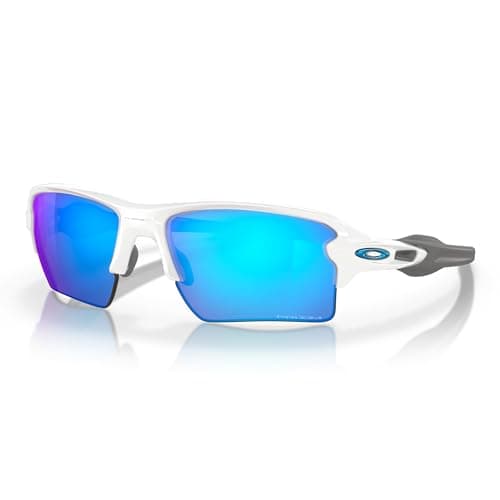
Oakley Oakley Flak 2.0 XL (Prizm)
Oakley Flak 2.0 XL (Prizm)

The golfer's default. Prizm lifts fairway and green contrast without the polarized downsides.

Best golf sunglasses overall
7.6
$214.00Amazon
02
Tifosi Tifosi Vero (Smoke Polarized)
Tifosi Vero (Smoke Polarized)

A half-frame sport shield built for ball sports — open top sightline, grippy, light.

Baseball, softball and open-sightline sport
8.0
$79.95Amazon
03
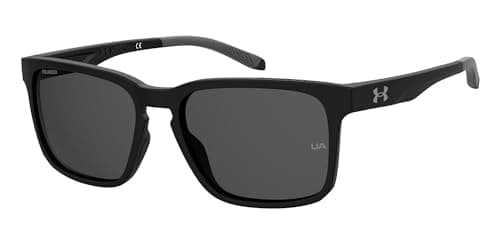
Under Armour Under Armour Assist 2 (Polarized)
Under Armour Assist 2 (Polarized)

A polarized sport frame that crosses over from golf to driving and general sport.

Golf-plus-everyday crossover
7.2
$149.32Amazon
04
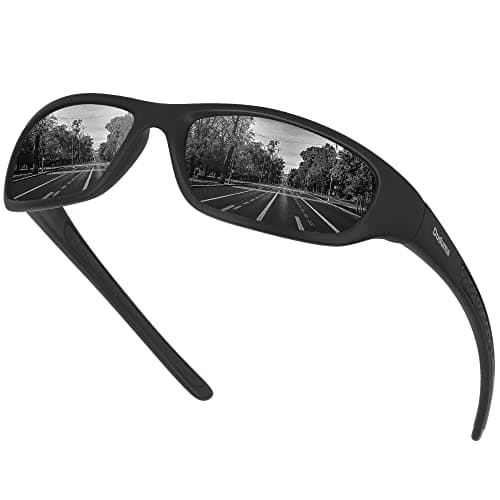
Duduma Duduma TR8116 Polarized Sport
Duduma TR8116 Polarized Sport

The superlight Duduma — sold for baseball and cycling, and priced like an afterthought.

A superlight budget sport wrap
7.4
$24.99Amazon
05
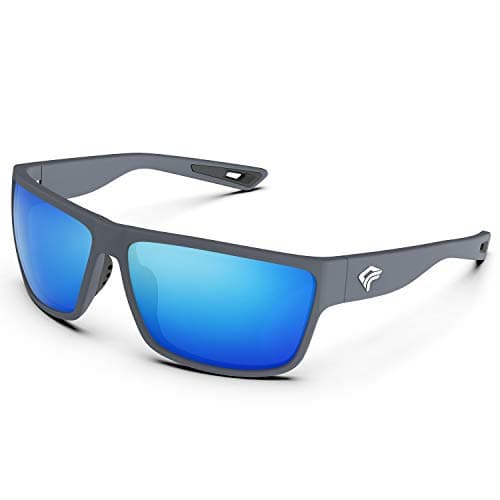
TOREGE TOREGE TR26 Polarized Sport
TOREGE TR26 Polarized Sport

The do-everything budget wrap — polarized, light, and hard to kill.

A first sport pair on a tight budget
7.2
$27.99Amazon

#ad · Live prices from the Amazon Product API, as of Sep 5, 2026. Where we have no verified live price, we show none — we would rather leave a gap than print a number that has rotted.

In detail

The picks, in full

01
Oakley Oakley Flak 2.0 XL (Prizm)

Best golf sunglasses overall

Oakley Flak 2.0 XL (Prizm)

Prizm lensPlutoniteHalf-frameXL coverage
7.6/10

The golfer's default. Prizm lifts fairway and green contrast without the polarized downsides.

Glare control
6
Optics
9
Fit & coverage
8
Durability
9
Value
6

Pros

  • Prizm Golf (and Prizm variants) enhance the green-vs-fairway contrast that helps you read the course
  • Non-polarized by design — polarized lenses can flatten the subtle slope cues golfers rely on when reading greens
  • Half-frame Flak shape stays out of your sightline through the swing

Cons

  • Premium price, and Prizm Golf specifically can look odd off the course
  • Half-frame gives less bottom coverage than a full shield

Don't buy this if…

you want one pair for golf and the boat. Prizm's non-polarized lens is right for greens but won't cut water glare like a polarized fishing lens.

$214.00View on Amazon

Price as of Sep 5, 2026. Prices change — Amazon's is the one that counts.

#ad · we may earn a commission from this link to Oakley Flak 2.0 XL (Prizm)

02
Tifosi Tifosi Vero (Smoke Polarized)

Baseball, softball and open-sightline sport

Tifosi Vero (Smoke Polarized)

Half-frame shieldPolarized optionHydrophilic gripVented lens
8.0/10

A half-frame sport shield built for ball sports — open top sightline, grippy, light.

Glare control
8
Optics
7
Fit & coverage
9
Durability
8
Value
8

Pros

  • The half-frame leaves the top of your field of view unobstructed, which is exactly what you need looking up at a fly ball
  • Grip pads tack up with sweat so the frame does not shift when you run
  • Vented lens cuts the fogging that kills a sealed shield on a hot field

Cons

  • The polarized version dims LCD screens and can flatten some sky contrast — Tifosi's non-polarized lenses are the alternative for that
  • Half-frame gives up bottom coverage against low sun

Don't buy this if…

you want maximum wraparound coverage. A full shield seals better; the Vero trades some of that for an unobstructed upward sightline.

$79.95View on Amazon

Price as of Sep 5, 2026. Prices change — Amazon's is the one that counts.

#ad · we may earn a commission from this link to Tifosi Vero (Smoke Polarized)

03
Under Armour Under Armour Assist 2 (Polarized)

Golf-plus-everyday crossover

Under Armour Assist 2 (Polarized)

PolarizedUV400Sport frameGrip pads
7.2/10

A polarized sport frame that crosses over from golf to driving and general sport.

Glare control
8
Optics
7
Fit & coverage
7
Durability
7
Value
7

Pros

  • Polarized, so unlike most dedicated golf lenses it also cuts glare off water and wet roads
  • Under Armour sport build with grip pads that hold during activity
  • Mid price for a polarized sport frame from a known brand

Cons

  • Polarized is a double-edged choice for golf — great for glare, but it can flatten the green-reading contrast cues
  • Not a contrast-tuned golf lens like Prizm Golf

Don't buy this if…

your only use is reading greens — a non-polarized contrast lens (Prizm Golf) is the better green-reading tool. This one is the crossover pick.

$149.32View on Amazon

Price as of Sep 5, 2026. Prices change — Amazon's is the one that counts.

#ad · we may earn a commission from this link to Under Armour Assist 2 (Polarized)

04
Duduma Duduma TR8116 Polarized Sport

A superlight budget sport wrap

Duduma TR8116 Polarized Sport

Superlight framePolarizedUV400Sport wrap
7.4/10

The superlight Duduma — sold for baseball and cycling, and priced like an afterthought.

Glare control
7
Optics
6
Fit & coverage
8
Durability
6
Value
10

Pros

  • Genuinely light, which matters more than optics when a frame has to sit still through a swing or a sprint
  • Polarized and UV400, so the two specs that matter are both present
  • Cheap enough to keep a pair in every bag

Cons

  • Polarized is a mixed choice for ball sports and cycling — it can flatten the sky contrast a fielder reads and dims a bike computer
  • Budget optics and coatings; the outer edges of the lens soften

Don't buy this if…

you track a ball against a bright sky constantly. A contrast-tuned non-polarized lens genuinely helps there and this does not attempt it.

$24.99View on Amazon

Price as of Sep 5, 2026. Prices change — Amazon's is the one that counts.

#ad · we may earn a commission from this link to Duduma TR8116 Polarized Sport

05
TOREGE TOREGE TR26 Polarized Sport

A first sport pair on a tight budget

TOREGE TR26 Polarized Sport

TR90 framePolarizedUV400Half-frame wrap
7.2/10

The do-everything budget wrap — polarized, light, and hard to kill.

Glare control
7
Optics
6
Fit & coverage
8
Durability
6
Value
9

Pros

  • A polarized TR90 wrap for pocket money — genuinely useful across running, cycling and casual fishing
  • TR90 nylon shrugs off drops that would snap an acetate frame
  • Rubberized nose and temples hold on when you sweat

Cons

  • Lens coating scratches more easily than the premium picks — treat it as a two-season pair, not a decade one
  • Fit runs large; a narrow face gets gaps at the temples

Don't buy this if…

you want optical precision or a lens that survives being tossed in a bag lens-down. At this price the trade-off is coating durability.

$27.99View on Amazon

Price as of Sep 5, 2026. Prices change — Amazon's is the one that counts.

#ad · we may earn a commission from this link to TOREGE TR26 Polarized Sport

Buying for the field

1. Half-frame if you look up

Outfielders and anyone tracking fly balls want nothing across the top of the lens. Infielders and pitchers can take a full wrap without penalty.

2. Grip material, not a tighter fit

Hydrophilic or rubberized nose and temple pads hold as you sweat. Squeezing a too-small frame onto your face is not a substitute and gives you a headache by the fifth.

3. Contrast tint over dark tint

Rose, amber and light copper separate a pale ball from a bright sky better than a heavy gray, and they are far better under lights.

4. Skip polarized in the outfield

It is the one position where the filter can cost you a fraction of the sky contrast you are reading. Everywhere else on the diamond, polarized is fine.

5. Confirm UV400

Non-negotiable, free, and the only thing on this page about your health rather than your game.
How we picked

We don't run a testing lab

We compile each pair's published specifications — lens material, polarization, coating, frame material, coverage, UV rating and price — normalize them, and score each against a published rubric. The scores are judgments from documented research; they are notmeasurements we took, because we don't own a lab and we're not going to pretend we do. Pairs we claim to have lab-tested: 0.

Questions

Frequently asked

What sunglasses do baseball players wear?
Half-frame sport shields dominate the sport, because they leave the top of the field of view unobstructed when you look up at a fly ball. The Oakley Flak shape is the most visible example on professional fields; Tifosi, Under Armour and the budget sport brands all build the same geometry at lower prices.
Should baseball sunglasses be polarized?
Outfielders generally should not. Polarization removes reflected light, and some of that light gives a bright sky the texture that helps separate a white ball from a white cloud. Infielders, pitchers and recreational players who want one pair for the game and the drive home lose very little by choosing polarized. The physics is in polarized vs non-polarized.
What lens color is best for baseball?
A contrast tint rather than a dark neutral: rose, amber, light copper, or an engineered contrast lens. The task is separating a small pale ball from a large bright background, which is a contrast problem rather than a brightness problem. Avoid very dark lenses if you play under lights or at dusk. More detail in lens colors explained.
Do you need special sunglasses for softball?
No — the requirements are the same, and softball arguably strengthens the sightline point, because the ball is larger and drops out of the sky at a steeper angle in the infield. Buy on the same criteria: unobstructed upward view, grip that holds when you sweat, a contrast tint, and confirmed UV400.
How much should I spend on baseball sunglasses?
A genuinely usable polarized or contrast sport wrap costs about as much as a couple of practice balls, and it will do the job for most recreational players. Spend up for a contrast-tuned lens and a frame that survives a season of being thrown in a bag. We walk the whole ladder in are expensive sunglasses worth it.

Keep reading

Receipts

Sources

We do not run a testing lab, and we do not pretend to. Where a spec or measurement came from a manufacturer or a third party, we name and link it. Where we could not verify something, we say so on the page rather than quietly leaving it out. Read our full method.