Who KOO is for
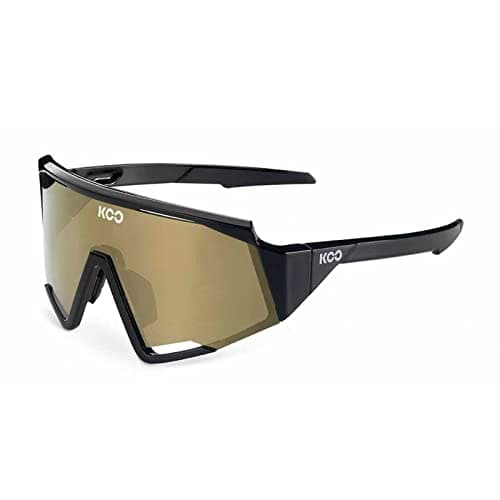
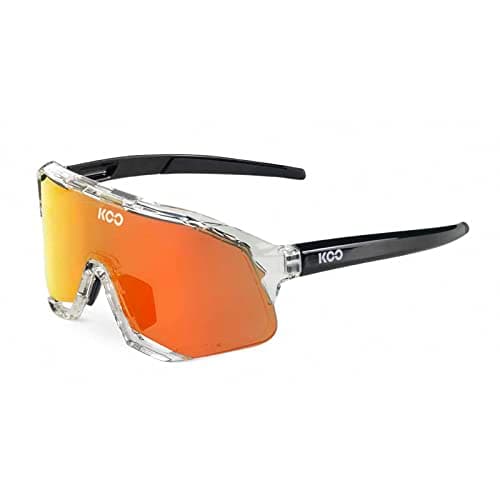
KOO is the eyewear arm of an Italian cycling helmet brand, and the product reflects it: shields designed with a strong point of view, fitted with Zeiss lenses, priced firmly in the premium tier. It exists for riders who want reference-grade optical clarity and do not want the eyewear that everyone else at the cafe stop is already wearing.
That is a narrower pitch than Oakley's and a more expensive one than Tifosi's, and it is legitimate. Design matters to cyclists, and pretending otherwise would be dishonest about how people actually choose kit. But it does mean the value case has to be made on optics and fit rather than on breadth.
The Zeiss lens is the headline, and it earns it
Optical clarity at the edges of a lens is where cheap eyewear gives itself away. A budget lens is fine in the center and smears slightly toward the outside, and on a bike your peripheral vision is doing real work — picking up a wheel alongside you, a pothole entering the frame, a car at a junction. Zeiss lenses hold sharpness right across the field, and that is a genuine functional benefit rather than a specification-sheet flourish.
What KOO does not do is contrast tuning of the kind Oakley publishes with Prizm. Prizm boosts specific contrasts so road-surface detail registers earlier; KOO gives you a very clean, very neutral view. Which you prefer is a real choice rather than a hierarchy — some riders find engineered contrast tints fatiguing over long distances and prefer neutral clarity.
Fit is better engineered than most
The adjustable nose piece is the standout and it is worth more than it sounds. It lets you set the lens height relative to your helmet and your riding position, which determines whether you are looking through the lens or over the top of it when you get low. A shield that sits fractionally wrong is a shield you fight all ride, and most frames in this category are fixed.
Coverage is good without being goggle-scale. For road and triathlon that is the right amount; for mountain biking, where the lens is doing a protective job against branches and roost, a larger shield is the better tool — see best mountain bike sunglasses.
The single-lens problem
This is the honest limitation and the thing to weigh hardest. KOO ships one lens. Light on a ride changes — you leave in flat gray, the sun arrives, you finish under trees — and a single fixed tint is wrong for part of most rides.
The alternatives solve this directly. An interchangeable set puts several lenses in the box for less than a premium pair costs, and a photochromic lens adapts on its own. Both are genuinely better answers to changing light than any single lens, however good. We compare the mechanisms in polarized vs photochromic and rank the adaptive field in best photochromic sunglasses.
So the KOO case is strongest for a rider whose conditions are predictable — consistent bright daylight, a known route, a specific event — and weakest for someone riding year-round in variable light.
Non-polarized, on purpose
KOO's cycling lenses are non-polarized, which is correct and worth understanding. Polarization removes reflected light, including the sheen that tells you a corner is wet and the light from an LCD bike computer. On a bike both of those are things you want to keep. Oakley and Tifosi make the same choice for the same reason, and we set out the full argument in are polarized lenses good for cycling.
The consequence is that KOO is not the pair for driving, water or general glare. It is cycling eyewear that happens to look good, not everyday eyewear that happens to work on a bike.
KOO versus Oakley and Tifosi
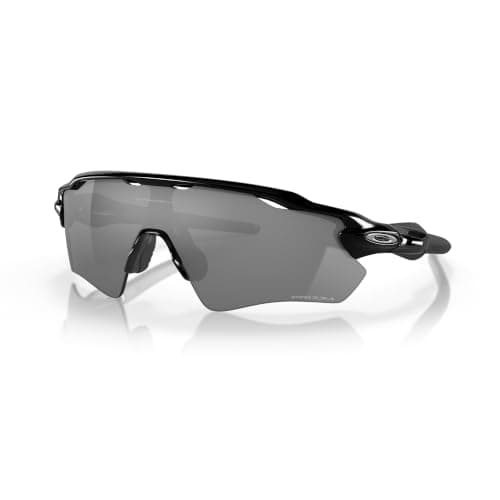
Against Oakley: comparable price, comparable build. Oakley gives you contrast tuning, a vast lens catalog and the largest fit range; KOO gives you Zeiss neutrality, adjustable fit and a frame most people at your club are not wearing. Neither is wrong.
Against Tifosi:KOO wins clearly on lens quality and fit engineering, and loses clearly on value and lens options. For most riders, most of the time, we still point at Tifosi — the argument is in Oakley vs Tifosi and it applies here too.
Are KOO sunglasses worth it?
For a rider who values optical clarity and design and rides in reasonably predictable light, yes — the Zeiss lenses are genuinely excellent and the adjustable fit solves a problem most premium frames ignore. For a rider in variable conditions, an interchangeable set or a photochromic lens is the better engineering answer regardless of how good a single lens is. And for anyone optimizing value, the honest recommendation remains the tier below. The full field is in our cycling sunglasses roundup.