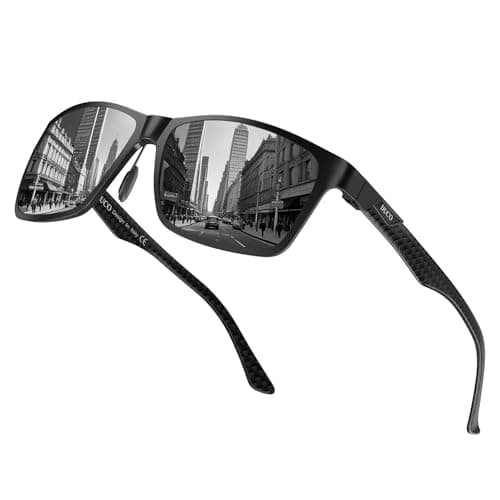
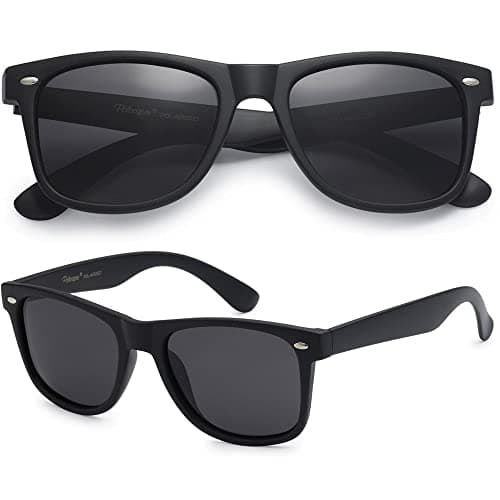
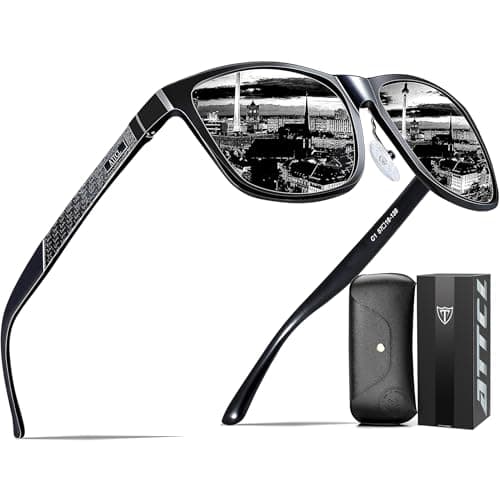
What ATTCL is
ATTCL is an Amazon-native brand with a narrow and coherent proposition: aluminum-magnesium alloy frames, polarized lenses, driving-oriented shapes, and a price low enough that losing a pair is an inconvenience rather than an event.
The metal frame is the distinguishing choice. Almost every brand at this price uses plastic, because plastic is cheaper and more forgiving. An Al-Mg frame is lighter than steel, does not corrode the way cheap plated metal does, and feels considerably better in the hand than a molded budget frame — which is most of why these sell.
Why this is a driving pair specifically
Driving is the use case where polarization does its most obvious work. Sunlight bouncing off a wet road, a car bonnet or the back of the vehicle in front arrives horizontally aligned, and that is exactly what a polarizing filter removes. The Cleveland Clinic sets out the mechanism, and the effect in a car is the most convincing demonstration of it most people ever experience.
The rest of the ATTCL specification suits a car too. Light frames do not become pressure points on a long drive. Modest, flat-ish lenses are not trying to seal out wind you do not have. And a cheap pair is one you can leave in the door pocket where it belongs, rather than carrying your good pair in and out. The full field is in best sunglasses for driving.
One genuine caveat that applies to every polarized lens, not just this one: polarization dims LCD screens, so a dashboard display or a phone in a windscreen cradle can darken or show rainbow-ish patterning at certain angles. That is the filter working as designed, not a fault — we cover it in do polarized sunglasses block screens.
What the metal frame actually changes
It is worth being specific about this, because "metal frame" is doing a lot of work in the listing copy and only some of it is real.
Weight, genuinely. Aluminum-magnesium alloy is light enough that a thin frame weighs less than a chunky acetate one. On a three-hour drive that is the difference between forgetting you are wearing them and taking them off at the services.
Feel, genuinely. Metal is cold, rigid and slightly heavy in the hand, and it makes a cheap product feel considerably less cheap. That is a real thing people are buying, and pretending otherwise would be dishonest about how sunglasses get chosen.
Durability, only partly. Metal does not snap the way thin plastic does, but it bends, and a bent metal frame does not spring back. A plastic sport frame in TR90-class nylon survives being sat on far better than any metal frame at this price. If your sunglasses live in a bag rather than a case, plastic is the tougher choice, whatever it feels like.
Fit, not at all.There is no adjustment here beyond what an optician could do with the arms. The frame is one width, and if that width is wrong for your face it will pinch or slide — the measurement that predicts this is in how to choose sunglasses size.
Where ATTCL stops
Optics are budget optics. Clear in the center, softer toward the edges. In a car you are looking through the middle of the lens almost all the time, which is why this matters less here than it would on a bike. It is still true.
Coatings scratch, and metal frames tarnish at the joints.Expect a season or two of good looks with normal use. Rinsing before wiping is the single most effective habit — see how to clean sunglasses.
Hinges are the failure point.Metal frames at this price use small screwed hinges that loosen. A jeweler's screwdriver and thirty seconds fixes it, and knowing that in advance saves a pair from the bin.
Not a sport frame. No grip material, no wrap, no coverage against side light. These will slide the moment you sweat and let light straight in at the temples. For anything with a heart rate, buy a sport wrap instead.
ATTCL against the rest of the budget tier
Against DUCO.The closest comparison, because DUCO also builds Al-Mg frames at this price. DUCO has the wider range — sport wraps and fit-overs as well as driving frames — so it is the better brand to shop if you want more than one shape. On the driving frame itself there is very little in it. See the DUCO review.
Against PolarSpex.PolarSpex is cheaper again and entirely plastic. If the pair is genuinely disposable — the one you leave in a boat bag — PolarSpex is the more rational purchase. ATTCL is the one you would actually be happy to be seen in.
Against Knockaround. Knockaround costs a little more and survives considerably more abuse, because impact-resistant plastic beats thin metal for a pair that lives loose in a bag. Buy Knockaround if the pair leads a hard life; buy ATTCL if it lives in a car.
Against spending up. The honest ceiling of this whole tier is the coatings. If you have thrown away sunglasses because they went hazy rather than because they broke, the sub-$100 band is the fix, and it is where we would send most people buying one pair.
Are ATTCL sunglasses worth it?
As a second or third pair — the one that lives in the car, the one you take somewhere you might lose it — yes, and it is a smarter purchase than most people make. Polarization and UV400 are the two properties that actually do something for your eyes and comfort, and both are fully present.
As your only pair, no. Buy something with better coatings, real fit engineering and a lens you will still be happy with in three years. The ladder is in are expensive sunglasses worth it, and the rest of the budget field is ranked in best cheap polarized sunglasses.