Skip to content
PolarizedClub

Julbo · Brand review

Julbo Sunglasses Review

Julbo builds for altitude first and everything else second. That focus produces the widest photochromic lens most people can buy — and one lens you must not drive in.

By Stephen V.Updated How we rate
#ad

We earn a commission when you buy through our Amazon links, at no extra cost to you. It never affects our rankings, and we say so when the cheaper pair is the better buy. How this works.

The short answer

Quick picks

#ProductBest forScorePrice
01
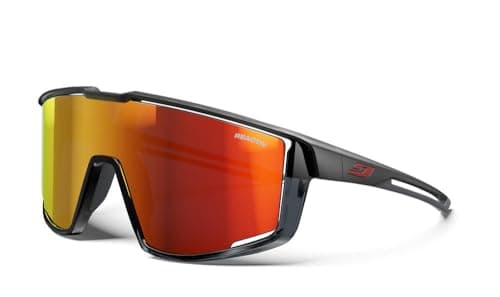
Julbo Julbo Fury (REACTIV 1-3)
Julbo Fury (REACTIV 1-3)

The reference photochromic sport lens — a category 1-3 range that genuinely covers dawn to glare.

The widest photochromic range in one lens
7.6
$239.95Amazon
02
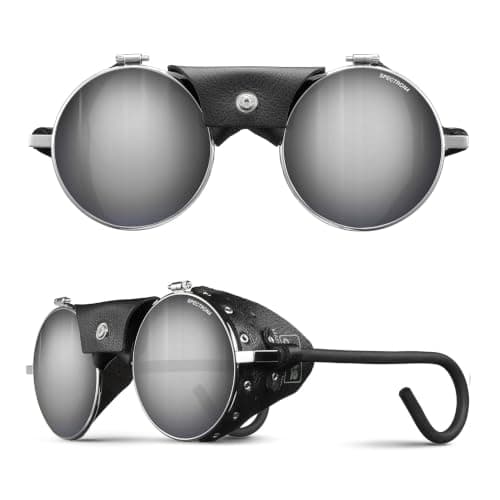
Julbo Julbo Vermont Classic (Spectron 4)
Julbo Vermont Classic (Spectron 4)

The original glacier glass — a category 4 lens and side shields for snow, ice and altitude.

Glacier travel, snow and high altitude
8.2
$164.95Amazon
03
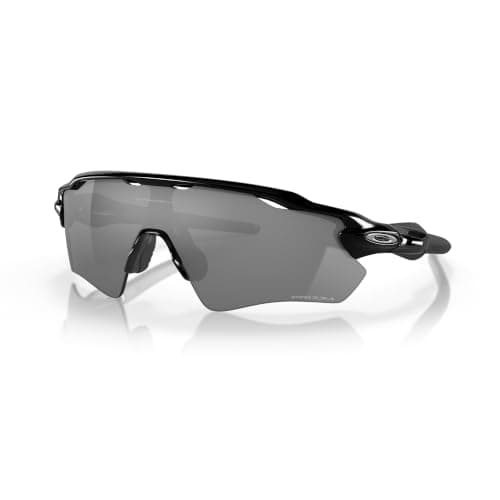
Oakley Oakley Radar EV Path (Prizm)
Oakley Radar EV Path (Prizm)

The pro-peloton default. Prizm contrast, huge coverage, and a price to match.

The premium cycling shield
8.0
$195.20Amazon

#ad · Live prices from the Amazon Product API, as of Sep 5, 2026. Where we have no verified live price, we show none — we would rather leave a gap than print a number that has rotted.

In detail

The review

01
Julbo Julbo Fury (REACTIV 1-3)

The widest photochromic range in one lens

Julbo Fury (REACTIV 1-3)

REACTIV 1-3 photochromicMultilayer mirrorVented shieldSport fit
7.6/10

The reference photochromic sport lens — a category 1-3 range that genuinely covers dawn to glare.

Glare control
6
Optics
9
Fit & coverage
9
Durability
8
Value
6

Pros

  • The REACTIV 1-3 range is wide enough to leave in low light and finish in full sun without carrying a spare lens
  • Julbo builds mountain eyewear first, so the venting and the wrap are tuned for effort rather than for looks
  • Mirror layer sheds extra light at the bright end of the range

Cons

  • Premium price — several times what a budget photochromic costs
  • Like every photochromic it transitions slower in the cold, and it barely activates behind a car windshield

Don't buy this if…

your light is reliably constant. A fixed tint at a fraction of the price is optically better in a single condition; photochromic buys range, not peak quality.

$239.95View on Amazon

Price as of Sep 5, 2026. Prices change — Amazon's is the one that counts.

#ad · we may earn a commission from this link to Julbo Fury (REACTIV 1-3)

02
Julbo Julbo Vermont Classic (Spectron 4)

Glacier travel, snow and high altitude

Julbo Vermont Classic (Spectron 4)

Spectron 4 lensCategory 4 tintLeather side shieldsMirror finish
8.2/10

The original glacier glass — a category 4 lens and side shields for snow, ice and altitude.

Glare control
9
Optics
9
Fit & coverage
8
Durability
9
Value
6

Pros

  • A category 4 lens is the correct tool for the extreme brightness of snowfields and high altitude, where a normal dark tint is not enough
  • The side shields block the reflected light that comes up off snow from below and around a normal frame
  • A genuinely durable design that has been made in essentially this form for decades

Cons

  • Category 4 lenses are not permitted for driving in many places and are far too dark for general use
  • The heritage styling and the side shields are unmistakable — this is equipment, not an everyday frame

Don't buy this if…

you want one pair for the mountain and the drive home. Category 4 is a specialist tint; keep a normal pair in the car.

$164.95View on Amazon

Price as of Sep 5, 2026. Prices change — Amazon's is the one that counts.

#ad · we may earn a commission from this link to Julbo Vermont Classic (Spectron 4)

03
Oakley Oakley Radar EV Path (Prizm)

The premium cycling shield

Oakley Radar EV Path (Prizm)

Prizm lensPlutoniteTall shieldUnobtainium grip
8.0/10

The pro-peloton default. Prizm contrast, huge coverage, and a price to match.

Glare control
6
Optics
10
Fit & coverage
10
Durability
9
Value
5

Pros

  • Prizm tuning boosts the specific contrasts that matter on the road — you pick out cracks and gravel earlier
  • The tall Path lens gives coverage when you're down in the drops and looking up through the top of the lens
  • Oakley's Unobtainium grips tack up with sweat and the build lasts

Cons

  • Expensive — several times the Tifosi Rail for a contrast advantage most riders won't fully exploit
  • Prizm Road is not polarized (by design for cycling), so don't expect glare-off-water behavior

Don't buy this if…

you're a value-focused rider. The Tifosi Rail delivers the coverage and lens options that matter for a quarter of the money.

$195.20View on Amazon

$244.0020% off

Price as of Sep 5, 2026. Prices change — Amazon's is the one that counts.

#ad · we may earn a commission from this link to Oakley Radar EV Path (Prizm)

What Julbo is

Julbo is a French eyewear maker whose reference product has always been mountain eyewear — glacier glasses, alpine sport shields, and the photochromic lenses that make sense when you climb two thousand vertical meters and the light doubles on the way up. Almost everything unusual about the brand makes sense once you accept that the design brief starts at altitude.

That is a genuinely different starting point from Oakley (sport performance), Tifosi (value) or Maui Jim (glare off water). It produces lenses with a wider working range than most brands sell, frames engineered around a helmet, and a couple of products that are actively wrong for ordinary use. Both halves of that deserve saying out loud.

REACTIV is the reason to buy Julbo

A photochromic lens darkens in UV light and clears when it drops. Most photochromic sunglasses move across roughly one lens category — usefully, but not dramatically. Julbo publishes REACTIV lenses that span two full categories, and the version in the Fury moves across categories 1 to 3: light enough for a shaded forest trail at the bottom of its range, dark enough for open sun at the top.

The practical effect is that one lens covers an outing that starts before dawn, crosses into full sun and finishes under trees. That is exactly the case where a fixed tint is wrong for a third of the time you are wearing it, and it is why we rate an adaptive lens above a better fixed one for anyone whose conditions genuinely change. The mechanism is set out in polarized vs photochromic, and the field is ranked in best photochromic sunglasses.

Two honest caveats. Photochromic lenses react to UV, and a car windscreen filters most UV out, so they never darken properly while you are driving. And every photochromic lens is slower to clear in the cold — drop into shade on a winter descent and you stay darker than you want for a minute.

Spectron 4 and the lens you must not drive in

The Vermont Classic is Julbo's glacier glass: a round metal frame with leather side shields and a Spectron 4 lens. Category 4 is the darkest lens category sold, intended for snowfields and high altitude where light reflecting off ice arrives from every direction at once.

Category 4 lenses are not legal to drive in, and Julbo says so in its own product documentation. That is not a technicality. The lens is dark enough that reading a road in shade becomes genuinely unsafe. Buy a Vermont as specialist equipment for snow and altitude, and keep an ordinary pair in the car. The general version of this mistake — wearing a lens built for one light level in another — is covered in can you wear sunglasses at night.

The side shields are the other part people read as styling. On a glacier, light arrives from below as well as above, and a leather shield closes the gap between frame and cheekbone. It looks like a flourish; it is a functional component.

Fit: helmets first

Julbo's sport frames are cut for a helmet and a forward head position. Temple arms run flatter so they pass under a helmet strap without becoming a pressure point, and the shields vent at the top of the lens because climbing slowly is when sport eyewear fogs. If you ride or run in a helmet, that is a real advantage over sport frames derived from lifestyle shapes.

If you do not wear a helmet, some of the engineering is wasted and the price still reflects it. A Julbo sport shield on a face that never sees a helmet is a good shield with vents you do not need.

Where Julbo stops

It is expensive, and the value case rests entirely on the lens.Buy a Julbo for a fixed tint and you have overpaid; the REACTIV lens is what your money is for. A Tifosi interchangeable set solves changing light for far less by giving you three lenses to swap — less elegant, materially cheaper, and argued through in Oakley vs Tifosi.

Most Julbo sport lenses are not polarized.That is deliberate and correct for cycling — polarization removes the sheen that tells you a corner is wet and dims an LCD bike computer — but it does mean a Julbo sport frame is not the pair for driving or the water. The argument is in are polarized lenses good for cycling.

The catalog you can actually buy here is a fraction of the range. Julbo makes a long list of frames and lens combinations and only some are reliably purchasable through the program that funds this site. We only feature what is in stock with a live price, which is why this page ranks two Julbos rather than ten.

Are Julbo sunglasses worth it?

For a trail runner, mountain biker or hiker whose light changes constantly, the REACTIV Fury is one of the few pairs on this site where we would tell you to spend the money rather than buy two cheaper pairs — the range genuinely exceeds what budget photochromics deliver. For snow and altitude, the Vermont is specialist equipment and priced like it. For everyday wear, driving or the water, buy something else: Julbo is very good at a job you may not have.
How we picked

We don't run a testing lab

We compile each pair's published specifications — lens material, polarization, coating, frame material, coverage, UV rating and price — normalize them, and score each against a published rubric. The scores are judgments from documented research; they are notmeasurements we took, because we don't own a lab and we're not going to pretend we do. Pairs we claim to have lab-tested: 0.

Questions

Frequently asked

What does Julbo REACTIV mean?
REACTIV is Julbo's photochromic lens family. The lens darkens in UV light and clears when it drops, and Julbo publishes the range each version covers — the Fury's REACTIV lens spans categories 1 to 3, a wider working range than most photochromic sunglasses manage. In practice one lens handles a ride that starts in shade and finishes in full sun. More in polarized vs photochromic.
Can you drive in Julbo Vermont Classic sunglasses?
No. The Vermont Classic uses a Spectron 4 lens, and category 4 is the darkest lens category sold — it is built for glaciers and high altitude and is not legal to drive in. Treat it as specialist snow equipment and keep an ordinary pair in the car.
Are Julbo sunglasses polarized?
Most of the sport range is not, and that is deliberate. Polarization strips the reflected light that tells you a corner is wet and dims an LCD bike computer, so cycling-focused brands generally leave it out. If you want polarized glare control for driving or the water, a Julbo sport shield is the wrong tool — see are polarized lenses good for cycling.
Do photochromic lenses work while driving?
Not properly. Photochromic lenses are triggered by UV, and a modern windscreen filters most UV out, so the lens stays lighter than the conditions warrant. For driving, a fixed polarized lens is the better answer.
Julbo or Oakley?
Oakley for contrast-tuned Prizm lenses, the widest fit range and the largest lens catalog. Julbo if your light changes a lot and you want the widest photochromic range in one lens, or if you need genuine glacier-grade eyewear. They are aimed at different problems rather than competing head-on.

Keep reading

Receipts

Sources

We do not run a testing lab, and we do not pretend to. Where a spec or measurement came from a manufacturer or a third party, we name and link it. Where we could not verify something, we say so on the page rather than quietly leaving it out. Read our full method.