Skip to content
PolarizedClub

Smith · Brand review

Smith Sunglasses Review

Smith came to sunglasses from goggles, and it shows in the best way: the Wildcat is closer to eye protection than eyewear, which is exactly why trail riders bought it.

By Stephen V.Updated How we rate
#ad

We earn a commission when you buy through our Amazon links, at no extra cost to you. It never affects our rankings, and we say so when the cheaper pair is the better buy. How this works.

The short answer

Quick picks

#ProductBest forScorePrice
01
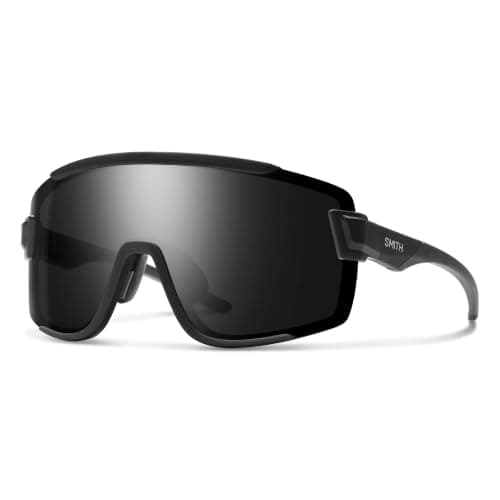
Smith Smith Wildcat (ChromaPop)
Smith Wildcat (ChromaPop)

The mountain-bike shield reviewers keep landing on — goggle-scale coverage with contrast-tuned optics.

Mountain biking and high-speed trail coverage
7.8
$217.00Amazon
02
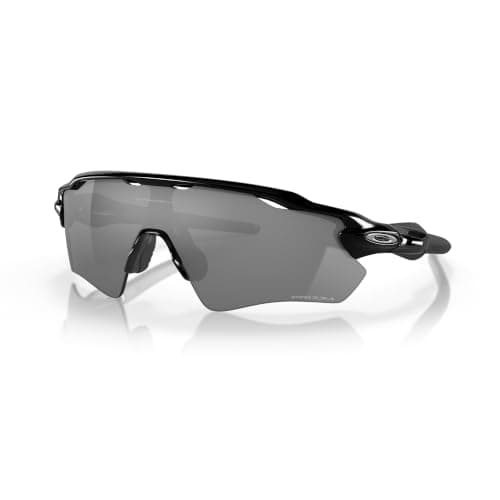
Oakley Oakley Radar EV Path (Prizm)
Oakley Radar EV Path (Prizm)

The pro-peloton default. Prizm contrast, huge coverage, and a price to match.

The premium cycling shield
8.0
$195.20Amazon
03
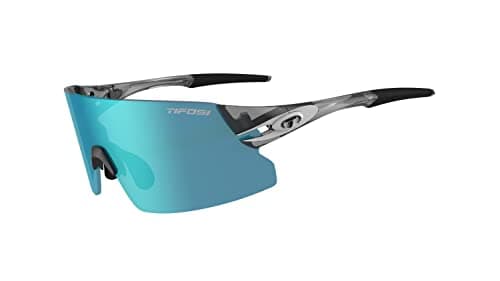
Tifosi Tifosi Rail XC (Interchangeable)
Tifosi Rail XC (Interchangeable)

The value pick for cyclists: big coverage and three lenses for changing light.

Best cycling sunglasses for the money
8.2
$79.95Amazon

#ad · Live prices from the Amazon Product API, as of Sep 5, 2026. Where we have no verified live price, we show none — we would rather leave a gap than print a number that has rotted.

In detail

The review

01
Smith Smith Wildcat (ChromaPop)

Mountain biking and high-speed trail coverage

Smith Wildcat (ChromaPop)

ChromaPop lensGoggle-scale shieldRemovable frameVented
7.8/10

The mountain-bike shield reviewers keep landing on — goggle-scale coverage with contrast-tuned optics.

Glare control
6
Optics
9
Fit & coverage
10
Durability
8
Value
6

Pros

  • Coverage closer to a goggle than a sunglass, which is what you want against trail debris and roost at speed
  • ChromaPop contrast tuning genuinely helps root and rock definition register earlier in dappled light
  • The frame detaches from the lens, so it converts between a framed and rimless look

Cons

  • Premium price, and the sheer size is a lot of eyewear anywhere other than a trail
  • Large lens area fogs more readily than a smaller frame on slow technical climbs

Don't buy this if…

you ride mostly road or want one pair for everyday. This is a purpose-built trail tool and it looks like one.

$217.00View on Amazon

$247.0012% off

Price as of Sep 5, 2026. Prices change — Amazon's is the one that counts.

#ad · we may earn a commission from this link to Smith Wildcat (ChromaPop)

02
Oakley Oakley Radar EV Path (Prizm)

The premium cycling shield

Oakley Radar EV Path (Prizm)

Prizm lensPlutoniteTall shieldUnobtainium grip
8.0/10

The pro-peloton default. Prizm contrast, huge coverage, and a price to match.

Glare control
6
Optics
10
Fit & coverage
10
Durability
9
Value
5

Pros

  • Prizm tuning boosts the specific contrasts that matter on the road — you pick out cracks and gravel earlier
  • The tall Path lens gives coverage when you're down in the drops and looking up through the top of the lens
  • Oakley's Unobtainium grips tack up with sweat and the build lasts

Cons

  • Expensive — several times the Tifosi Rail for a contrast advantage most riders won't fully exploit
  • Prizm Road is not polarized (by design for cycling), so don't expect glare-off-water behavior

Don't buy this if…

you're a value-focused rider. The Tifosi Rail delivers the coverage and lens options that matter for a quarter of the money.

$195.20View on Amazon

$244.0020% off

Price as of Sep 5, 2026. Prices change — Amazon's is the one that counts.

#ad · we may earn a commission from this link to Oakley Radar EV Path (Prizm)

03
Tifosi Tifosi Rail XC (Interchangeable)

Best cycling sunglasses for the money

Tifosi Rail XC (Interchangeable)

Interchangeable lensesBig shieldVentedVery light
8.2/10

The value pick for cyclists: big coverage and three lenses for changing light.

Glare control
6
Optics
8
Fit & coverage
10
Durability
8
Value
9

Pros

  • Ships with multiple lenses so you swap for bright sun, overcast and low light — the right answer for a sport where light changes mid-ride
  • Large shield gives the coverage a road or gravel cyclist actually needs at speed
  • A fraction of the price of the Italian marquee brands for comparable coverage

Cons

  • The included lenses are tinted/contrast, not polarized — deliberate, since polarized can mask road sheen and dims a bike computer
  • Big-shield look isn't for everyone off the bike

Don't buy this if…

you want a do-everything lifestyle frame. This is a cycling tool — glorious on the bike, a lot of sunglasses at a cafe.

$79.95View on Amazon

Price as of Sep 5, 2026. Prices change — Amazon's is the one that counts.

#ad · we may earn a commission from this link to Tifosi Rail XC (Interchangeable)

What Smith is

Smith is an American brand that made its name in snow goggles before it made sunglasses, and the heritage is not decoration — it is the reason its best sunglass is shaped the way it is. A goggle designer thinks about a sealed field of view, airflow that stops fogging, and a lens that will take a hit. Apply that thinking to a frame with arms instead of a strap and you get the Wildcat.

The lens story is ChromaPop. Smith's published explanation is that certain wavelengths overlap where the eye's color receptors meet, and filtering those specific bands makes colors separate more distinctly. It is the same category of idea as Oakley's Prizm — engineered contrast rather than simple darkening — executed differently.

The Wildcat is the product that matters

Almost everything written about Smith sunglasses in recent years is really about one frame. The Wildcat is a single goggle-scale lens with a removable frame, and on a trail it does three things a normal sport shield does not.

It covers the whole eye socket.On singletrack the lens is doing protective work — branches, roost off the rider ahead, dust. A lens that stops at your eyebrow leaves the top of your eye open at precisely the moment you are looking up through a rough section.

It vents like a goggle.Climbing slowly in warm air is where sport eyewear fogs, and the Wildcat's scale and venting move air across the lens instead of trapping it against your face. That is the most common complaint about smaller shields on climbs, largely solved.

The frame comes off.Run it rimless for maximum field of view or framed for a more conventional look. That is a functional choice, not a styling one — a frame edge drifting through your peripheral vision on a fast descent is genuinely distracting.

That combination is why the Wildcat became a default on trails, and why it ranks where it does in best mountain bike sunglasses.

ChromaPop, honestly assessed

Contrast lenses are where marketing runs furthest ahead of what anyone can demonstrate, so here is our position. The mechanism Smith describes is real, and the effect is noticeable: dirt, root and rock separate more clearly than through a plain gray lens of the same darkness, which on a trail means reading a line slightly earlier.

What we will not tell you is that it is measurably better than Prizm, or worth a specific number of dollars, because we do not run a lab and nobody publishing that comparison without one is doing more than reporting an impression. Some riders also find engineered contrast tints fatiguing over long days and prefer a neutral lens; that experience is equally legitimate. What tints actually do is covered in lens colors explained.

Where Smith stops

The Wildcat is too much frame for most non-trail use. Goggle-scale coverage on a road ride, a run or a walk to the shops reads as very deliberate, and it blocks more airflow than you want at low speed. It is specialist equipment that happens to photograph well.

Most ChromaPop sport lenses are not polarized.Right for riding, wrong for water and driving. If you want one pair that does the bike and the boat, Smith is not it — the reasoning is in are polarized lenses good for cycling.

You pay premium money for one tinted lens. The Wildcat typically ships with a spare clear lens, which helps, but it is still a premium purchase against a Tifosi interchangeable set that gives you three tints for a fraction of the price. If budget rather than coverage is your constraint, buy the Tifosi and spend the difference on tires.

Fit is not universal. A goggle-derived shape suits a medium-to-wide face and can sit oddly on a narrow one, and at that scale eyelash contact is more common than with a smaller lens. If your face is narrow, read how to choose sunglasses size before committing.

Are Smith sunglasses worth it?

For mountain biking, yes — the Wildcat solves coverage, venting and field of view in one object, and there is no cheap equivalent that does all three. For gravel and rough trail running it is also a strong answer. For road riding, everyday wear, driving or the water you are buying a lot of shield you will not use, and the money is better spent elsewhere on this site.
How we picked

We don't run a testing lab

We compile each pair's published specifications — lens material, polarization, coating, frame material, coverage, UV rating and price — normalize them, and score each against a published rubric. The scores are judgments from documented research; they are notmeasurements we took, because we don't own a lab and we're not going to pretend we do. Pairs we claim to have lab-tested: 0.

Questions

Frequently asked

What is Smith ChromaPop?
ChromaPop is Smith's contrast lens technology. Smith's published explanation is that it filters specific wavelengths where the eye's color receptors overlap, so colors separate more distinctly instead of the lens simply making everything darker. On a trail that reads as dirt, rock and root standing apart more clearly. It is the same category of idea as Oakley Prizm, executed differently.
Are Smith sunglasses polarized?
Some models are, but the sport-focused ChromaPop lenses generally are not — and for cycling that is the right call, because polarization removes the sheen that tells you a corner is wet and dims an LCD bike computer. For polarized glare control, the fishing and driving pages on this site are the better starting point.
Is the Smith Wildcat good for road cycling?
It works, but it is more shield than a road rider needs and it restricts airflow at low speed more than a lighter frame does. The Wildcat earns its size on trails, where the lens is also doing protective work. For road, a lighter vented shield is the better tool — see the cycling roundup.
Smith or Oakley for mountain biking?
Both are genuinely good, and the choice comes down to shape. Smith's Wildcat gives you goggle-scale coverage and a removable frame; Oakley gives you a larger lens catalog, a wider range of fits and Prizm contrast tuning. If maximum coverage is the goal, Smith. If fit range and lens choice matter more, Oakley.
Does the Smith Wildcat fog up?
Less than most sport shields of that size, because the goggle heritage shows in the venting — but no eyewear is immune. Fogging is worst climbing slowly in warm, humid air, and it is helped far more by keeping air moving across the lens than by any coating.

Keep reading

Receipts

Sources

We do not run a testing lab, and we do not pretend to. Where a spec or measurement came from a manufacturer or a third party, we name and link it. Where we could not verify something, we say so on the page rather than quietly leaving it out. Read our full method.