Skip to content
PolarizedClub

Serengeti · Brand review

Serengeti Sunglasses Review

Serengeti builds its whole argument on polarized mineral glass with a contrast tint. The optics are genuinely excellent - and the photochromic behavior is the thing to understand before you buy.

By Stephen V.Updated How we rate
#ad

We earn a commission when you buy through our Amazon links, at no extra cost to you. It never affects our rankings, and we say so when the cheaper pair is the better buy. How this works.

Top pick

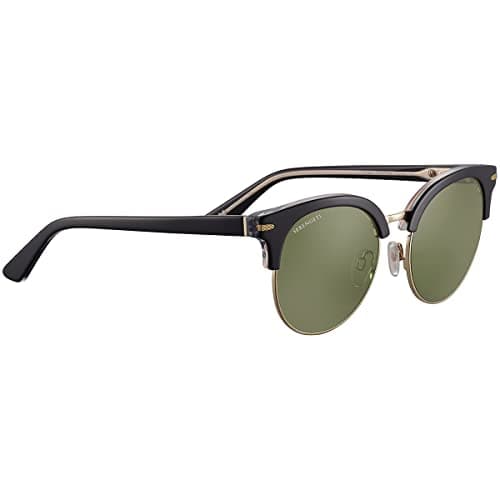
Serengeti Serengeti Susan (Mineral Polarized 555nm)

Top pick

Serengeti Susan (Mineral Polarized 555nm)

Best for: The cheapest live route into mineral glass

The Serengeti to buy, and the cheapest live route into polarized mineral glass anywhere in this catalog. Corning borosilicate glass with the 555nm contrast tint and published 99.9% glare elimination, in a frame that works for everyday wear and driving. Best for the buyer who wants the optics to be the point rather than the badge.


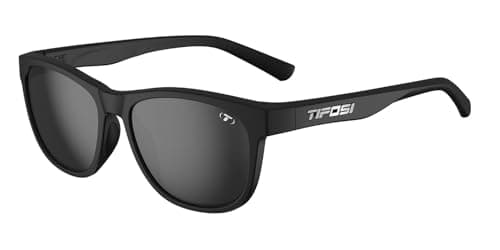
Tifosi Tifosi Swank (Smoke Polarized)

Budget pick

Tifosi Swank (Smoke Polarized)

Best for: The everyday polarized Tifosi

The honest alternative if Serengeti money is not on the table: a genuinely polarized everyday lens with a published lifetime defect warranty, for a small fraction. You give up the mineral glass, which is the whole Serengeti argument - but not the glare control or the UV.

#ad · we may earn a commission. Live prices from the Amazon Product API, as of November 23, 2026. Where we have no verified live price we show none.

Serengeti is worth buying, and the model to buy is the Susan: polarized Corning borosilicate mineral glass with the 555nm contrast tint, at the cheapest price mineral glass exists at in this catalog. Best for everyday wear and driving where optical clarity is the point. The Ethan is the one to buy if you want Serengeti's photochromic behavior in a driving frame and are happy to pay more than a Ray-Ban for it. If you want the same kind of premium lens from a bigger brand with a wider frame range, the Maui Jim Hookipa is the alternative. And if the price is the problem, the budget pick is the Tifosi Swank Polarized — you lose the glass, not the glare control. Live prices below, with the date they were checked.

This site has recommended Serengeti repeatedly — as the closest alternative to Maui Jim, as the cheapest route into mineral glass, as the lens upgrade over a Ray-Ban — without ever reviewing the brand. This page fixes that, and it is a review rather than a sales page: there is a specific, well-documented catch in how Serengeti's lenses behave, and anyone buying one for a commute should know about it first.

What Serengeti actually sells

One idea, executed consistently. Serengeti publishes its lens platform as Corning borosilicate mineral glass — described as 20% thinner and lighter than standard glass — combined with Spectral Control, photochromic behavior and 99.9% glare elimination. Three of those four are worth unpacking, because they are the reason to buy the brand.

Mineral glass. This is the real differentiator and it is measurable rather than rhetorical. Published Abbe values put mineral glass and CR-39 at 58-59 against polycarbonate at 30 — Abbe being the standard measure of how little a lens disperses light into color fringing. Nearly every sunglass lens sold is polycarbonate, so a glass lens is a genuine optical step rather than a marketing one, and you notice it at the edges of your field of view and in high-contrast light. Glass also resists scratching far better, which is why a Serengeti can still be clear in year eight.

The 555nm tint.Not a color name but a target: 555nm is roughly the wavelength the human eye resolves most efficiently, and a tint built around it reads as a lift in definition rather than as a cast. It is the same family of idea as Maui Jim's rare-earth blend or Smith's ChromaPop — contrast engineering rather than uniform darkening.

Photochromic behavior.Serengeti's lenses lighten and darken with UV, and this is simultaneously the brand's most appealing feature and the source of its one real disappointment. See the next section, because it decides whether this brand suits you.

The catch: photochromic lenses behind a windshield

This is the thing to understand before you spend the money, and it is not a defect — it is physics. A photochromic lens is triggered by ultraviolet light. Modern laminated automotive windshields block most UV. So a photochromic lens sits lighterinside a car than it does outside one, exactly when a driver most wants it dark. Serengeti is marketed heavily at drivers, and the autocomplete family for the brand includes “serengeti sunglasses drivers”, which makes this worth stating plainly rather than burying.

What to do about it: if your main use is driving in bright sun, buy a Serengeti for the glass and the contrast tint, and accept that it will not reach its darkest state in the car — or buy a fixed-tint polarized lens instead and get a predictable result. If your use is mixed — a walk, a drive, a terrace, a hike — the photochromic is a genuine convenience. Our full comparison is polarized vs photochromic, and best photochromic sunglasses ranks the wider field.

Which Serengeti to buy

ModelLensBest forThe catch
Serengeti SusanMineral glass, polarized, 555nmEveryday wear, and the cheapest route into glassNarrow frame range; glass weight
Serengeti EthanMineral glass, polarized, 555nm, Cat 3 photochromicDriving and changing lightPriced above the Ray-Bans; lighter behind glass
Maui Jim Hookipa (alternative)PolarizedPlus2, 99.9% glare cutA premium everyday lens with a wider frame rangeA different brand, and no photochromic
Tifosi Swank Polarized (budget pick)Polarized polycarbonateThe glare control without the glassNo contrast platform, no glass, narrow fit

The short answer

Quick picks

#ProductBest forScorePrice
01
Serengeti Serengeti Susan (Mineral Polarized 555nm)
Serengeti Susan (Mineral Polarized 555nm)

Serengeti's mineral glass at the lowest price the brand actually sells it for — in a feminine cat-eye rather than a driving frame.

The cheapest live route into mineral glass
7.8
$144.11Amazon
02
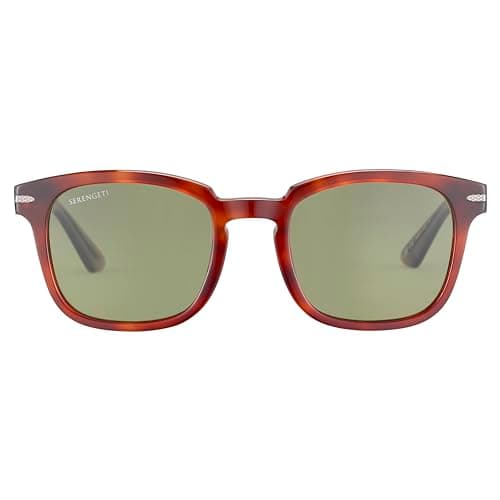
Serengeti Serengeti Ethan (Mineral Polarized 555nm)
Serengeti Ethan (Mineral Polarized 555nm)

Serengeti's lens argument in its purest form — polarized mineral glass that changes category with the light.

Driving and changing light
7.4
$330.00Amazon
03
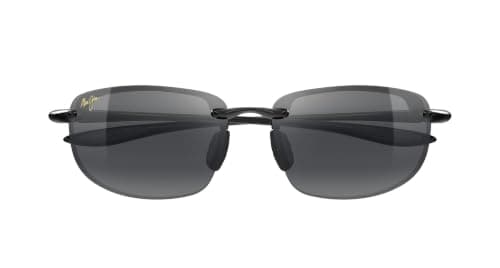
Maui Jim Maui Jim Hookipa (PolarizedPlus2)
Maui Jim Hookipa (PolarizedPlus2)

A classic medium-fit Maui Jim — the premium everyday polarized pair, minus the sport wrap.

A premium everyday lens
7.8
$229.00Amazon
04
Tifosi Tifosi Swank (Smoke Polarized)
Tifosi Swank (Smoke Polarized)

The polarized version of Tifosi's featherweight everyday frame — the one to buy if glare, not sport, is the problem.

The everyday polarized Tifosi
7.4
$41.96Amazon

#ad · Live prices from the Amazon Product API, as of November 23, 2026. Where we have no verified live price, we show none — we would rather leave a gap than print a number that has rotted.

In detail

The review

01
Serengeti Serengeti Susan (Mineral Polarized 555nm)

The cheapest live route into mineral glass

Serengeti Susan (Mineral Polarized 555nm)

Mineral glass lensPolarized555nm contrast tintAcetate and metal frame
7.8/10

Serengeti's mineral glass at the lowest price the brand actually sells it for — in a feminine cat-eye rather than a driving frame.

Glare control
9
Optics
9
Fit & coverage
5
Durability
8
Value
8

Pros

  • Real mineral glass for well under half what the fishing-glass brands charge — the cheapest glass lens on this site by a wide margin
  • The 555nm Spectral Control tint targets the wavelength the eye resolves best, which reads as a lift in contrast rather than a color cast
  • Polarized as well as photochromic — Serengeti splits its range into photochromic-only and polarized models, and this SKU carries both

Cons

  • Category 3 to 3: the published 18%-12% transmission range means it deepens within an already-dark tint and never clears to a light lens
  • A 53mm feminine cat-eye in acetate and metal — a styling frame with modest coverage and no grip material, not a unisex driving wrap
  • Serengeti's Amazon stock is thin and moves between models, so the colorway you see today may not be the one in stock next month

Don't buy this if…

…you want one pair that covers a dark afternoon and a dim morning, or a wrap for the water or the bike. This is a fixed-category glass lens in a lifestyle frame, and side light gets straight past it.

$144.11View on Amazon

Price as of November 23, 2026. Prices change — Amazon's is the one that counts.

#ad · we may earn a commission from this link to Serengeti Susan (Mineral Polarized 555nm)

02
Serengeti Serengeti Ethan (Mineral Polarized 555nm)

Driving and changing light

Serengeti Ethan (Mineral Polarized 555nm)

Mineral glass lensPolarized555nm contrast tintCat 3 to 3 photochromic
7.4/10

Serengeti's lens argument in its purest form — polarized mineral glass that changes category with the light.

Glare control
9
Optics
9
Fit & coverage
6
Durability
8
Value
5

Pros

  • Does the one thing no Ray-Ban lens does: lightens and darkens on its own, which is worth more on a commute than any fixed tint is
  • Mineral glass with a 555nm tint targets the wavelength the eye resolves best, reading as a lift in contrast rather than a color cast
  • Polarized as well as photochromic — the combination much of Serengeti's own range does not carry

Cons

  • Priced at the top of this page, above the Ray-Bans, which inverts Serengeti's usual value argument on Amazon
  • A lifestyle and driving frame, not a sport wrap — modest coverage and no grip material
  • Serengeti's Amazon stock is thin and moves between models; this listing showed only a handful of units when we resolved it

Don't buy this if…

…you want a predictably dark lens behind a windshield. A photochromic lens is UV-triggered and laminated glass blocks much of that UV, so it will sit lighter in the car than you expect — buy a fixed tint instead.

$330.00View on Amazon

Price as of November 23, 2026. Prices change — Amazon's is the one that counts.

#ad · we may earn a commission from this link to Serengeti Ethan (Mineral Polarized 555nm)

03
Maui Jim Maui Jim Hookipa (PolarizedPlus2)

A premium everyday lens

Maui Jim Hookipa (PolarizedPlus2)

PolarizedPlus2MauiPure lensMedium fitUV + blue-light
7.8/10

A classic medium-fit Maui Jim — the premium everyday polarized pair, minus the sport wrap.

Glare control
9
Optics
10
Fit & coverage
6
Durability
9
Value
5

Pros

  • PolarizedPlus2 lifts color and contrast, not just glare — the reason Maui Jim keeps its fans
  • Medium fit and classic shape work for a wide range of faces
  • Lens and build quality are top-tier

Cons

  • Premium price for an everyday (non-sport) frame
  • Polarized lens dims phone and dashboard screens, as all polarized do

Don't buy this if…

…you want a sport or fishing wrap. This is a lifestyle frame — beautiful optics, modest coverage.

$229.00View on Amazon

Price as of November 23, 2026. Prices change — Amazon's is the one that counts.

#ad · we may earn a commission from this link to Maui Jim Hookipa (PolarizedPlus2)

04
Tifosi Tifosi Swank (Smoke Polarized)

The everyday polarized Tifosi

Tifosi Swank (Smoke Polarized)

Injected polarized lensGrilamid frameHydrophilic gripUV400 polycarbonate
7.4/10

The polarized version of Tifosi's featherweight everyday frame — the one to buy if glare, not sport, is the problem.

Glare control
8
Optics
7
Fit & coverage
7
Durability
7
Value
8

Pros

  • Tifosi builds polarization into the lens as an injected layer rather than a surface coating, so it cannot rub off the way a coated budget lens can
  • Same barely-there Grilamid frame and sweat-activated grip pads as the standard Swank — the lens is the only thing that changes
  • A genuinely polarized pair from a sport brand, at a price well under the polarized lifestyle marques

Cons

  • Costs roughly double the standard tinted Swank, and the two listings look nearly identical — easy to buy the wrong one by accident
  • Being polarized, it dims phone, bike-computer and dashboard screens, which is exactly why Tifosi leaves its cycling lenses unpolarized
  • Lifestyle shape, so less coverage than a true sport shield in low, side-on sun

Don't buy this if…

…the pair is for riding or for anything with a screen you need to read. Buy the standard tinted Swank or a Rail instead — polarization is the wrong tool there, not a better one.

$41.96View on Amazon

$59.9530% off

Price as of November 23, 2026. Prices change — Amazon's is the one that counts.

#ad · we may earn a commission from this link to Tifosi Swank (Smoke Polarized)

The picks, in detail

  • Serengeti Susan (Mineral Polarized 555nm) — Best for: the cheapest live route into mineral glass. The model to buy, and the one that makes the brand's argument most cleanly: polarized Corning borosilicate glass with the 555nm contrast tint, in a frame that passes for everyday wear rather than for equipment. If someone asks what glass actually buys them, this is the pair to hand them. Honest cons: glass is heavier than polycarbonate and breaks where polycarbonate deforms, so this is the wrong pair for a bike or a boat; the frame range is a fraction of what a mainstream brand offers; and the photochromic behavior means it is not reliably dark behind a windshield.
  • Serengeti Ethan (Mineral Polarized 555nm) — Best for: driving and changing light. The purest expression of the brand: polarized and photochromic mineral glass, which is a combination much of the market does not offer at all, because combining the two is genuinely hard. Honest cons:it is priced at the top of this page and above the Ray-Bans, which inverts Serengeti's usual value argument; it is a lifestyle and driving frame with modest coverage and no grip material; and the photochromic caveat above applies to it most of all, because it is the model drivers are most likely to buy.
  • Maui Jim Hookipa (PolarizedPlus2) — Best for: a premium everyday lens from a bigger brand. Included because it is the honest alternative rather than a filler pick: per SportRx's Maui Jim lens guide, PolarizedPlus2 cuts 99.9% of glare with 100% UV and HEV protection from a patented blend of three rare earth elements, and SuperThin Glass is published at Abbe 58 while being 20% thinner and 32% lighter than standard laminated glass. Every Maui Jim is polarized, and the frame range is far wider than Serengeti's. Honest cons: no photochromic behavior, so you choose a fixed tint; and it costs more than the Susan. The head-to-head is Maui Jim vs Serengeti.
  • Tifosi Swank (Smoke Polarized) — Best for: the budget pick, and the honest floor. Here to make a point this review should make: if you are shopping Serengeti because you want glare control rather than glass, you can have that for a small fraction, with a published lifetime warranty against manufacturer defects on top. Honest cons:polycarbonate rather than glass, so the optical step that is Serengeti's whole argument is the thing you give up; no contrast platform; and the standard Swank is narrow.

Where Serengeti sits against the brands people compare it to

Against Maui Jim.The same core argument — glass optics with a contrast tint — at a lower price, with a far narrower frame range and photochromic behavior Maui Jim does not offer. Maui Jim polarizes everything and publishes more; Serengeti is the value route into the same idea. Full comparison: Maui Jim vs Serengeti.

Against Ray-Ban.Serengeti wins the lens comfortably and loses everything else. Per SportRx's Ray-Ban lens guide, Ray-Ban's polarized tints publish VLT figures from 9% to 43% and polarization is a per-listing option rather than a standard, with no contrast platform. Ray-Ban wins on shapes, availability, fit range and resale desirability. Serengeti vs Ray-Ban.

Against Costa and Bajío.Not really a competition, because they are solving a different problem. Costa publishes a 580nm filter at 99.9% polarization efficiency and Bajío publishes a 95% blue-light block to 445nm — both tuned for reading water. Serengeti is a driving and everyday brand. If the pair is for fishing, start at best fishing sunglasses brands instead.

Availability, and what to watch for

One practical note that affects buying rather than wearing: Serengeti's stock on Amazon is thin and moves between models, so the frame you want may not be the frame that is live. That is the main reason we rank the Susan first rather than a specific aviator or wrap — it is the model that has stayed buyable. If a listing shows no price in the table above, the price layer found no live offer at the last check rather than us declining to show one, and the CTA will take you to Amazon to see for yourself.

Who should not buy Serengeti

Three groups, stated plainly. Anyone who drops sunglasses: glass breaks where polycarbonate deforms, and this is the wrong brand for a bike, a boat, a job site or a toddler. Anyone whose main use is bright-sun driving and who wants a predictable dark lens: buy a fixed tint instead, for the windshield reason above. And anyone whose problem is fit rather than optics — the frame range here is small, so if you have struggled to find sunglasses that fit, how to choose sunglasses size and best sunglasses for big heads will do more for you than this brand will.

Everyone else: the optics are genuinely excellent for the money, the glass will outlast several polycarbonate pairs, and the 555nm tint is the most pleasant everyday lens on this site. The wider glass field is in best glass lens sunglasses, and if the price is the obstacle, best polarized sunglasses under $200 puts the Susan in context against everything else in its band.
How we picked

We don't run a testing lab

We compile each pair's published specifications — lens material, polarization, coating, frame material, coverage, UV rating and price — normalize them, and score each against a published rubric. The scores are judgments from documented research; they are notmeasurements we took, because we don't own a lab and we're not going to pretend we do. Pairs we claim to have lab-tested: 0.

Questions

Frequently asked

Are Serengeti sunglasses any good?
Yes, and specifically for their lenses. Serengeti publishes Corning borosilicate mineral glass with Spectral Control, photochromic behavior and 99.9% glare elimination, and published Abbe values put mineral glass at 58-59 against polycarbonate at 30 — a real optical step. The weaknesses are a narrow frame range, glass weight and fragility, and photochromic behavior that underperforms behind a windshield.
Which Serengeti model should I buy?
The Susan, for most people: it is the cheapest live route into polarized mineral glass with the 555nm contrast tint, in a frame that works for everyday wear. The Ethan is the pick if you specifically want the photochromic driving lens and are happy that it costs more. Both are ranked above with live prices.
Are Serengeti sunglasses polarized?
The models reviewed here are - both the Susan and the Ethan are listed as polarized mineral glass. Serengeti does not polarize its entire range, though, so the listing has to say it; the brand's own technology page describes polarization and photochromic behavior as separate features that not every lens combines.
Why do my Serengeti sunglasses seem lighter in the car?
Because photochromic lenses are triggered by ultraviolet light, and modern laminated windshields block most UV. The lens therefore sits lighter inside a car than outside one. It is physics rather than a fault, and it applies to every photochromic lens, not just Serengeti's. If you want a predictably dark lens for driving, buy a fixed tint — polarized vs photochromic explains the trade.
Is Serengeti better than Maui Jim?
They are making the same argument at different prices. Serengeti is the value route into glass optics with a contrast tint and adds photochromic behavior Maui Jim does not offer; Maui Jim publishes more about its lens, polarizes every pair it sells and has a far wider frame range. If clarity per dollar is the question, Serengeti. If you want the ceiling and the choice, Maui Jim. Head to head: Maui Jim vs Serengeti.
Is mineral glass worth the weight?
For driving and everyday wear, usually yes: better resolution at the edges, far better scratch resistance, and a lens that is still clear years later. For sport, water or anything droppable, no — glass breaks where polycarbonate deforms. Costa makes the same recommendation about its own lenses, steering impact-sport users to polycarbonate.

Keep reading

Receipts

Sources

We do not run a testing lab, and we do not pretend to. Where a spec or measurement came from a manufacturer or a third party, we name and link it. Where we could not verify something, we say so on the page rather than quietly leaving it out. Read our full method.