Top pick
Top pick
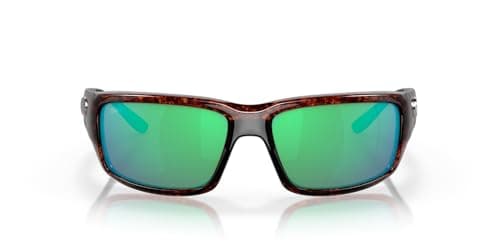
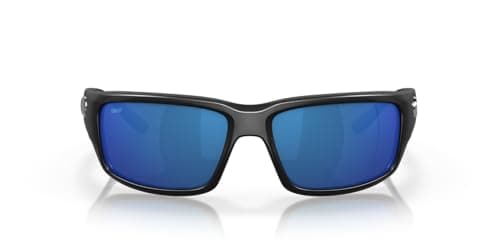
Costa Fantail 580P
Best for: Sight-fishing and time on the water
The closest like-for-like swap in this catalog: a premium polarized lens engineered for exactly the light the Red Sands is bought for, in a vented frame with grip pads that hold when wet. Costa's 580 filter and Maui Jim's PolarizedPlus2 are the two most-documented contrast-polarized lenses here, and the Fantail is the frame Costa sells most of. It is still a premium purchase and we say below who should not make it.
Budget pick
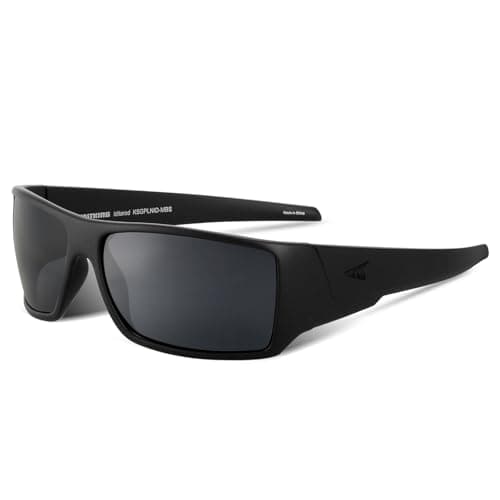
KastKing Iditarod Polarized
Best for: Frame quality on a budget-fishing spend
The honest cheap answer, and the one most Red Sands shoppers should try first. A polarized fishing wrap from a tackle brand at a fraction of the money. You are giving up contrast engineering, coating life and lens clarity — not the polarizing filter itself, which is the part doing most of the work on water.
#ad · we may earn a commission. Live prices from the Amazon Product API, as of November 24, 2026. Where we have no verified live price we show none.
The best Maui Jim Red Sands alternative for most people is the Costa Fantail 580P — the same job, a comparably documented contrast-polarized lens, less money. If you want glass rather than a plastic lens, the Fantail 580G. If you want more side coverage than the Red Sands gives you, the Smith Guide's Choice. If the lens is the whole reason you wanted the Red Sands and you will not compromise on it, buy a different Maui Jim — the Hookipa — rather than a different brand. The budget pick is the KastKing Iditarod. Live prices below, each with the date it was checked.
First, what you are replacing, because this page is not an argument that the Red Sands is a bad pair of sunglasses. It is not. It is a medium-large nylon frame carrying the lens Maui Jim builds its whole business on, and the company's own support documentation is unusually direct about it: “all Maui Jim sunglasses are polarized with our premium, high-efficiency polarizing film that eliminates 99.9% of glare”, and all of them “block 100% of harmful UV, and have comprehensive HEV protection, and enhance the colors your eyes naturally perceive.” Those are claims rather than measurements we took, but they are published claims with a number attached, which is more than most of this category offers. The Red Sands earns its reputation.
What it does not do is cost less. So people search for alternatives for four reasons, and the right pick is different for each one:
- The price. You want the glare performance without the top-of-market tag.
- The lens material. You want mineral glass, which the Red Sands lens options do not all give you.
- The fit. The Red Sands is a medium-large frame with modest side coverage, and you want either more wrap or a different shape.
- Availability. The colorway you want is out of stock, which happens constantly at this end of the market.
How we ranked these
- Is the polarizing filter real, and is it built in?This is the one non-negotiable, because it is the whole point of the original. Every pick here is genuinely polarized. Where a maker publishes how the filter is constructed — laminated into the lens rather than coated onto its surface — that counts for more, because a surface coating is a thing that can wear.
- Is the tint engineered, or just dark? A contrast lens filters specific wavelengths instead of dimming everything evenly. Costa publishes 580 as a filter that cuts yellow light; Smith publishes ChromaPop as filtering the blue/green and green/red crossovers “for greater definition, natural color, and clarity”; Bajío publishes LAPIS as blocking 95% of blue light up to 445nm. Those are three different answers to the same question, and all three are documented. A budget pick that is merely dark and polarized ranks lower here, and is still a perfectly good purchase.
- Lens material, stated honestly.Mineral glass resolves detail more cleanly and resists scratches far better — glass sits around Abbe 58-59 against polycarbonate at 30 — and it charges you weight and fragility for both. Neither choice is wrong. We say which one each pick is.
- Fit, relative to the original. The Red Sands is a medium-large frame. A pick that is dramatically smaller or dramatically wider is a different purchase, not a substitute, and the table below says which is which.
- Does it actually exist to buy today.Every pick on this page was re-checked against the live Amazon catalog on the date stamped beside its price. Three frames we wanted to include — one of them an Oakley that would have ranked fifth — came back with no live price on that check and were cut rather than listed as available.
- Price honesty. Our prose never states a dollar figure, because a typed price is wrong within a week. Every number renders live with its own timestamp.
| Why you are replacing the Red Sands | Buy | The catch |
|---|
| Same job, less money | Costa Fantail 580P | Still premium; polycarbonate scratches sooner than glass |
| You want more side coverage than the original | Smith Guide's Choice (ChromaPop Polarized) | A dedicated angling wrap, and it looks like one |
| A wider face, and real time on the water | Bajío Bales Beach (Poly) | Large fit; a water-tuned tint that looks odd on pavement |
| You want mineral glass, not plastic | Costa Fantail 580G (Glass) | Heavier on the nose, and glass shatters where plastic flexes |
| The lens is non-negotiable; the frame is not | Maui Jim Hookipa (PolarizedPlus2) | Same brand, so only a modest saving — and less coverage |
| A wide face on a budget | Tifosi Swank XL (Brown Polarized) | A lifestyle shape with no contrast engineering |
| Finding out how much of it you actually needed | KastKing Iditarod (budget pick) | Soft lens, basic coatings, one size |
The short answer
Quick picks
#ad · Live prices from the Amazon Product API, as of November 24, 2026. Where we have no verified live price, we show none — we would rather leave a gap than print a number that has rotted.
In detail
The picks, in full
Sight-fishing and time on the water
Costa Fantail 580P
580P polarizedPolycarbonateHydrolite gripVented
The fishing default. The 580 lens is built to pull fish out of glare, and it does.
- Glare control
- 10
- Optics
- 9
- Fit & coverage
- 9
- Durability
- 8
- Value
- 6
Pros
- +Costa's 580 lens filters yellow light to lift contrast — copper/green tints make fish and structure pop against surface glare
- +Hydrolite nose and temple pads grip harder the wetter they get, which is the whole game on a boat
- +580P (polycarbonate) is the lighter, more impact-resistant option versus the pricier 580G glass
Cons
- −Polycarbonate scratches more easily than Costa's 580G glass — the glass is clearer but heavier and dearer
- −A real premium over budget fishing wraps that also filter glare competently
Don't buy this if…
…you fish twice a year off a dock. The 580 lens earns its keep for people who sight-fish; occasional users get most of the benefit from a $30 polarized wrap.
Sight-fishing and all-day water glare
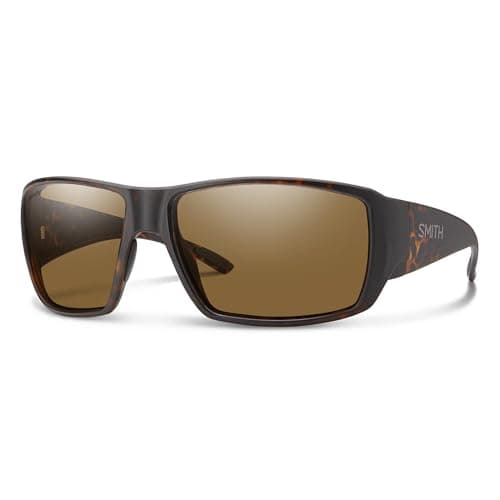
Smith Guide's Choice (ChromaPop Polarized)
ChromaPop polarized8-base wrapMegol nose/temple pads100% UV protection
The purpose-built angling frame in Smith's range — 8-base wrap, megol grip and a contrast-tuned polarized lens.
- Glare control
- 9
- Optics
- 9
- Fit & coverage
- 9
- Durability
- 8
- Value
- 6
Pros
- +Built as a fishing frame rather than a lifestyle shape with a polarized lens dropped in — wide temples and an 8-base wrap cut the side light that gets past a flat lens
- +Megol nose and temple pads tack up as they get wet, which is the difference between a frame that stays put over a hot deck and one that walks down your nose
- +ChromaPop's contrast tuning is aimed squarely at separating a fish from the bottom, and the anti-reflective coating kills the ghost image that bounces off the back of a dark lens
Cons
- −Priced with Costa and Maui Jim, so you are paying premium-brand money for a frame most anglers will treat roughly
- −Medium-large coverage on a wrap this aggressive is a lot of frame on a small face, and the fit has no adjustment beyond the pads
- −The Amazon listing is the ChromaPop polarized lens, not the glass version — if you specifically want Smith's Techlite glass you have to buy it elsewhere and pay more
Don't buy this if…
…you fish a dozen times a year. A $50 polarized fishing wrap finds fish in the same water; this frame earns its price on days 100 through 300, not on day one.
Bajío optics without the glass weight
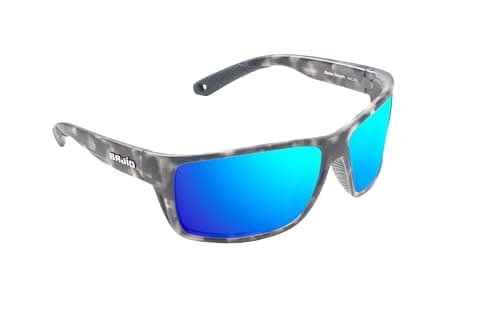
Bajío Bales Beach (Poly)
LAPIS poly lensPolarizedBlue-light filterLarge fit full wrap
The Bajío most anglers should actually buy — same frame and same LAPIS lens, in polycarbonate.
- Glare control
- 10
- Optics
- 9
- Fit & coverage
- 9
- Durability
- 8
- Value
- 6
Pros
- +Identical frame and identical LAPIS blue-light filtering to the glass Bales Beach, at Bajío's lower list tier
- +Polycarbonate is lighter on the nose over a ten-hour day and far more forgiving of a dropped pair or a stray hook
- +Vented large-fit wrap with rubber grip — the shape is built for a bright flat rather than a patio
Cons
- −Scratches more easily than the glass version, and Bajío's warranty does not cover scratches
- −Glass still resolves fine detail slightly more cleanly — if you are straining at forty feet, that gap is the reason glass exists
Don't buy this if…
…scratch resistance matters more to you than weight. The glass Bales Beach is the same pair with the harder lens, and it is the better buy if your sunglasses live on a console rather than in a case.
Glass optics in a fishing frame
Costa Fantail 580G (Glass)
580G glass lensPolarizedHydrolite gripVented frame
The same Fantail frame with the glass lens — the clearest, most scratch-resistant thing Costa sells.
- Glare control
- 10
- Optics
- 10
- Fit & coverage
- 9
- Durability
- 7
- Value
- 5
Pros
- +Glass resolves detail more cleanly than polycarbonate and is far harder to scratch — the two reasons anyone pays for glass
- +Costa's 580 filter cuts yellow light to lift contrast, which is what separates a fish from surface glare
- +Identical frame to the 580P Fantail, so the fit and the Hydrolite grip are known quantities
Cons
- −Noticeably heavier on the nose than the 580P version over a full day
- −Glass shatters where polycarbonate flexes — the wrong lens for anywhere a hook or a fall is likely
Don't buy this if…
…you fish from a moving boat in chop or keep your sunglasses loose in a bag. Glass buys you clarity and scratch resistance, and it charges you weight and fragility for both.
A premium everyday lens
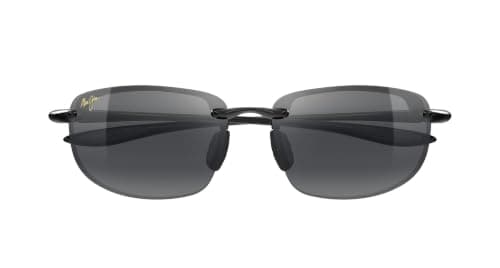
Maui Jim Hookipa (PolarizedPlus2)
PolarizedPlus2MauiPure lensMedium fitUV + blue-light
A classic medium-fit Maui Jim — the premium everyday polarized pair, minus the sport wrap.
- Glare control
- 9
- Optics
- 10
- Fit & coverage
- 6
- Durability
- 9
- Value
- 5
Pros
- +PolarizedPlus2 lifts color and contrast, not just glare — the reason Maui Jim keeps its fans
- +Medium fit and classic shape work for a wide range of faces
- +Lens and build quality are top-tier
Cons
- −Premium price for an everyday (non-sport) frame
- −Polarized lens dims phone and dashboard screens, as all polarized do
Don't buy this if…
…you want a sport or fishing wrap. This is a lifestyle frame — beautiful optics, modest coverage.
Wider faces on a budget
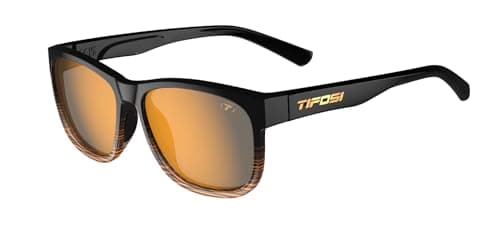
Tifosi Swank XL (Brown Polarized)
Injected polarized lensXL sizingBrown contrast tintUV400 polycarbonate
A genuinely polarized Tifosi in the frame built for wider faces — the answer when the standard Swank pinches and you still want glare control.
- Glare control
- 8
- Optics
- 7
- Fit & coverage
- 8
- Durability
- 7
- Value
- 9
Pros
- +Solves two problems at once: the standard Swank is too narrow for a lot of faces, and the standard lens is not polarized
- +The brown polarized tint lifts contrast on grass and water more than a neutral smoke lens does
- +Tifosi builds the polarization in as an injected layer rather than a surface coating, so it is the same lens construction as the rest of its polarized range and cannot rub off
Cons
- −Only a handful of XL colorways carry the polarized lens and the in-stock set moves around — check the colorway line says polarized rather than assuming the frame color you want has it
- −A brown tint shifts colors warm, which some people dislike for driving at dusk
- −Still a lifestyle shape: side light gets in, and it is not a substitute for a wrap
Don't buy this if…
…the standard Swank already fits you. The XL is a width fix, and buying up a size you do not need just makes the frame slide.
Frame quality on a budget-fishing spend
KastKing Iditarod Polarized
Grilamid framePolarized TAC lensUV400Sport wrap
A Grilamid-framed polarized wrap at a price that belongs two tiers higher.
- Glare control
- 8
- Optics
- 6
- Fit & coverage
- 8
- Durability
- 7
- Value
- 10
Pros
- +Grilamid is the frame material premium sport brands use, and finding it at this price is genuinely unusual
- +Polarized wrap coverage that seals out the side light a flat frame lets straight in
- +From a tackle brand, so the design assumptions are a boat deck rather than a sidewalk
Cons
- −A TAC film-laminate lens is optically a step below the molded polycarbonate in premium fishing glasses
- −No contrast tuning — it removes glare but does not lift fish out of the water the way a 580-class lens does
Don't buy this if…
…you sight-fish seriously. The frame punches above its price; the lens is honest budget, and the lens is what a sight-fisher is buying.
Who each pick is for, and what is wrong with it
- Costa Fantail 580P — Best for:the default swap, and anyone whose reason for wanting the Red Sands was glare off water. Costa's 580 lens filters yellow light to lift contrast, which is a different mechanism from Maui Jim's rare-earth blend but the same intent: separate a fish, a rock or a seam from the surface shine on top of it. The Hydrolite nose and temple pads grip harder as they get wet. Honest cons: this is a premium purchase in its own right, not a bargain; 580P is polycarbonate, so it scratches more readily than the glass version below; and the copper and green tints are tuned for water and read slightly warm on a city street. Compared directly in Costa vs Maui Jim.
- Smith Guide's Choice (ChromaPop Polarized) — Best for:anyone who wants more coverage than the Red Sands gives. This is the only frame in this catalog with a published base curve — an 8-base wraparound with megol nose and temple pads and Italian spring hinges — and that number is the honest difference between a wrap and a frame that is simply wide. Honest cons: it is a purpose-built angling wrap, so it looks like equipment rather than like the Red Sands; the ChromaPop tints that suit bright water are specialized; and it is one of the two most expensive picks here. More on the lens in Smith vs Maui Jim, and it is also the over-water pick in our best sunglasses for hunting ranking.
- Bajío Bales Beach (Poly) — Best for:wider faces, and the most water-specific lens on the page. Bajío publishes LAPIS as blocking 95% of blue light up to 445nm, with per-tint transmission figures from 12% to 18% — which is the kind of disclosure almost nobody else in this price band offers. The polycarbonate version is the one most people should buy. Honest cons: premium money for a brand many buyers have not heard of; a genuinely large fit that swamps a smaller face in a way the Red Sands does not; and a blue-filtering tint that is engineered for water, not for everyday wear. Head to head in Bajío vs Maui Jim.
- Costa Fantail 580G (Glass) — Best for:the reader whose real complaint about plastic lenses is scratches. Identical frame to the 580P, so the fit and the Hydrolite grip are known quantities, with Costa's glass lens instead — and glass is where the optical argument actually lands, at Abbe 58-59 against polycarbonate's 30. Honest cons: noticeably heavier on the nose across a full day; glass shatters where polycarbonate flexes, so it is the wrong lens anywhere a hook or a fall is likely; and it is the most expensive pick on this page. If glass is the whole reason you are here, read best glass lens sunglasses before you spend.
- Maui Jim Hookipa (PolarizedPlus2) — Best for:the reader who does not actually want an alternative brand — just a different frame or a smaller number. Same lens family as the Red Sands, same PolarizedPlus2 and MauiPure options, in a classic medium fit. If the Red Sands colorway you wanted is unavailable, this is the lowest-risk move on the page. Honest cons:it is a Maui Jim, so the saving is modest rather than transformative; it is a lifestyle frame with less coverage than the sport wraps above it; and Maui Jim's two-year warranty excludes lens scratching as normal wear and asks the owner to pay inbound shipping, which is worth reading before you treat the price as buying permanence.
- Tifosi Swank XL (Brown Polarized) — Best for: a wide face on a real budget, and the best value on the page. Tifosi builds the polarization in as an injected layer rather than a surface coating, the brown tint lifts contrast on grass and water more than a neutral smoke lens, and the XL frame exists precisely because the standard size pinches wider faces. Tifosi also publishes cover for manufacturer's defects for the life of the product. Honest cons: only a handful of XL colorways carry the polarized lens and the in-stock set moves around, so read the colorway line rather than assuming; a brown tint shifts colors warm, which some people dislike at dusk; and this is a lifestyle shape with no contrast engineering, so side light gets in. That warranty also excludes dropped, sat-on, scratched, lost and stolen pairs and charges shipping per claim.
- KastKing Iditarod Polarized — Best for: the budget pick, and finding out how much of the Red Sands you were really buying. KastKing is a tackle brand that sells every model in its sunglasses line polarized, so you cannot order the wrong one by accident. Honest cons: the laminated lens is softer than polycarbonate and far softer than glass, so treat it as a one-to-three season pair; there is no contrast-tint engineering at all, just a competent polarizing filter; and it is one fixed size with no adjustment. Ranked against its peers in best budget fishing sunglasses.
What you give up by not buying the Red Sands
Three things, stated plainly, because a page that only argues one direction is not useful.
A single documented lens across the whole range.Maui Jim's claim that every pair it sells is polarized is genuinely unusual — most brands on this site sell polarized and non-polarized versions of the same frame, and buyers get the wrong one constantly. We have a whole page on that confusion for one rival brand: are Ray-Bans polarized. With Maui Jim the question does not arise, and that is worth something.
Resale and repair infrastructure. Premium brands keep a lens-replacement and repair channel open for years. Budget brands replace the whole pair, which is cheaper and also means you are buying the same pair again.
The part that is not worth paying for. Polarization is not UV protection and does not add any. The American Academy of Ophthalmology is explicit that “polarized lenses do not block more radiation” and that “the darkness of the lens isn't indicative of protection,” and the American Optometric Association recommends 99-100% UVA and UVB blocking at any price. Every pick on this page publishes 100% UV or UV400, including the cheapest one. Nobody here is buying protection by spending more; they are buying optics, coatings, contrast engineering and build.
The three substitutions that do not work
A non-polarized lens, however good
If the reason you wanted the Red Sands is glare off water, a dark non-polarized lens is not a cheaper version of it — it is a different product. Polarization works by removing reflected, horizontally oriented light, and nothing about tint density substitutes for that. The full argument is in polarized vs non-polarized.
A sport shield, if you wanted a lifestyle frame
The Red Sands is worn to lunch as well as on a boat. The Smith and the Bajío here are not; they are angling frames that happen to be excellent. If you want something you will wear every day, start with the Costa or the Tifosi, or read our price-blind polarized ranking.
Any polarized lens, if you read screens through it
Every pick here will dim or black out an LCD panel at some angles, because that is how a polarizing filter interacts with a polarized display. If you spend the day looking at a chartplotter, a phone on a mount or a dashboard screen, this entire page is the wrong aisle and you want a non-polarized contrast lens instead.
Fit: the thing that makes the saving real or fake
The most common way an alternatives purchase fails is not lens quality. It is width. The Red Sands sits in the medium-large band, and three of the picks here deliberately do not: the Bajío and the Tifosi XL are built for wider faces, and the Maui Jim Hookipa is a classic medium. A frame that is too wide slides down your nose and lets light in at the temple, and once light is coming in at the temple you have paid for a filter that is being bypassed.
Measure your current frames before you order — how to choose sunglasses size has the method, which takes about a minute with a ruler. If your face is on the narrow side, the premium wraps on this page are the wrong direction entirely and best sunglasses for small faces is a better starting point.
Choosing in four questions
Is it the price, or is it the pair?
The price → the Costa Fantail 580P, or the Tifosi XL if the gap needs to be bigger than that. The pair — the colorway is unavailable, or the frame does not suit you → a different Maui Jim, which is the Hookipa here.
Plastic or glass?
Plastic → lighter, safer around hooks and falls, scratches sooner: the Fantail 580P, the Bajío Poly, the Tifosi, the KastKing. Glass → clearer, far harder to scratch, heavier and breakable: the Fantail 580G. There is no right answer, only a trade you should make deliberately.
How much coverage do you want?
More than the original → the Smith Guide's Choice, which publishes its 8-base curvature. About the same → the Costa Fantail. Less, in a lifestyle shape → the Hookipa or the Tifosi XL. The CDC recommends wrap styles specifically because UV reflects off water, sand and snow and arrives from angles a flat lens ignores.
How often do you lose sunglasses?
Often → buy the KastKing, wear it for a season, and spend the premium money later if you genuinely miss the optics. Rarely → the premium picks are a better value per year of wear than their price implies, and a retainer costs almost nothing. Our best polarized sunglasses for the money page is the version of this question with no brand attached.
The cheap stuff that matters
Essentials under $40
The add-ons this page already told you to get. None of these is scored — our rubric measures glare control, optics, fit, durability and value, and four of those mean nothing for a cleaning cloth. So you get a reason and a live price instead of a number we'd have had to invent.
MagicFiber
MagicFiber Microfiber Cleaning Cloths (6-pack)
Buy a multipack for one reason: a dirty microfiber cloth is sandpaper. Six means you can retire the gritty one instead of rubbing it across a lens.
Koala
Koala Eyeglass Lens Cleaner Spray Kit (4-piece)
A lens-safe spray for when there is no tap. Sold specifically for coated lenses, which is the point — it is the household glass cleaners that attack coatings.
MyEyeglassCase
MyEyeglassCase Extra Large EVA Zip Hard Case
Sized for large and wrap frames, which is the catch with most cheap cases — a sport frame will not close in a case cut for slim readers.
#ad · Live prices as of November 24, 2026, hidden when our data goes stale. We may earn a commission, at no cost to you. How this works.
How we picked
We don't run a testing lab
We compile each pair's published specifications — lens material, polarization, coating, frame material, coverage, UV rating and price — normalize them, and score each against a published rubric. The scores are judgments from documented research; they are notmeasurements we took, because we don't own a lab and we're not going to pretend we do. Pairs we claim to have lab-tested: 0.
Questions
Frequently asked
What is the closest thing to Maui Jim Red Sands?+
The Costa Fantail 580P is the closest like-for-like in our catalog: a premium contrast-polarized lens in a vented frame with wet-grip pads, at less money. If you specifically want the Maui Jim lens rather than an equivalent one, the closest answer is a different Maui Jim — the Hookipa carries the same PolarizedPlus2 lens family in a classic medium fit. If your complaint is coverage rather than price, the Smith Guide's Choice publishes an 8-base wraparound curvature, which is more wrap than the Red Sands offers.
Is there a cheaper version of the Maui Jim Red Sands?+
Not from Maui Jim — the lens is the same across the range, so the cheaper models are cheaper on frame and lens material, not on the filter. From other brands, yes, and the gap is large. The Tifosi Swank XL in brown polarized gets you a built-in polarizing layer in a wide lifestyle frame for a small fraction of the money, and the KastKing Iditarod does the same job for less again. What you give up is contrast engineering, coating durability and optical edge quality — not polarization itself. Our
best cheap polarized sunglasses page ranks that whole tier.
Why are Maui Jim Red Sands so expensive?+
Three published reasons and one unpublished one. Maui Jim states that its
PolarizedPlus2 film eliminates 99.9% of glare with 100% UV and HEV protection; the lens range includes proprietary plastics and a SuperThin Glass option published at
Abbe 58, against polycarbonate at 30; and the build quality is genuinely high. The unpublished reason is brand, which is real and which you are also paying for. We take that question apart in
are Maui Jim sunglasses worth it.
Are the Red Sands polarized?+
Yes, and so is every other pair Maui Jim sells. The company's own support page states it without qualification: “Yes, all Maui Jim sunglasses are polarized.” This is one of the few places in sunglasses where you do not need to check the colorway line before buying, which is not true of most brands — the longer version is in
are all Maui Jim sunglasses polarized.
Costa or Maui Jim for fishing?+
Both are legitimate and the honest answer is a fit question more than a lens question. Costa publishes 580 as a filter that cuts yellow light to raise contrast; Maui Jim publishes a rare-earth blend doing a comparable job by a different route. On the water, anglers quoted by
Bassmaster care far more about tint and transmission — copper around 12%, amber, silver mirror around 30% — than about which of the two brands is on the arm. Try both on; buy the one that does not slide. Our full head-to-head is
Costa vs Maui Jim.
Do any of these alternatives have a glass lens like Maui Jim's SuperThin Glass?+
One on this page: the Costa Fantail 580G. Mineral glass is the material argument, not a brand one — glass sits near
Abbe 58-59 where polycarbonate is 30, which is why it resolves detail more cleanly and resists scratches better. It is also heavier and it breaks. Serengeti is the other glass route in our catalog and it publishes
Corning borosilicate mineral glass at 20% thinner and lighter than standard glass, though its frames are styling shapes rather than water wraps. Both are ranked in
best glass lens sunglasses.
Receipts
Sources
- Maui Jim - support: “Are all Maui Jim sunglasses polarized?” (official, verbatim: “Yes, all Maui Jim sunglasses are polarized with our premium, high-efficiency polarizing film that eliminates 99.9% of glare”, and “all of our sunglasses block 100% of harmful UV, and have comprehensive HEV protection, and enhance the colors your eyes naturally perceive”; verified 2026-11-24)
- SportRx - Maui Jim lens guide (PolarizedPlus2 cuts 99.9% of glare with 100% UV and HEV protection from a patented blend of three rare earth elements; SuperThin Glass published at Abbe 58, 20% thinner and 32% lighter than standard laminated glass, against polycarbonate at Abbe 30; the base tints Neutral Grey, HCL Bronze, Maui Rose and Maui HT)
- Maui Jim - support: warranty policy (two years from purchase, original purchaser, authorized retailer only, defects in materials and workmanship; normal wear such as lens scratching and accidental breakage excluded; inbound shipping at the owner's expense)
- Costa Del Mar - 580 lens technology (official)
- SportRx - Costa 580 lens technology explained (580P polycarbonate against 580G glass, polarization efficiency, lens etching)
- Smith Optics - sunglass technology (ChromaPop verbatim: “Normally the eye has trouble distinguishing colors where the blue/green and the green/red wavelengths cross over” and ChromaPop “filters these specific crossovers for greater definition, natural color, and clarity”; published VLT by tint - ChromaPop Black 10%, Green Mirror 12%, Gray Green 12%, Platinum 12%, Red Mirror 15%, Bronze Mirror 15%, Ignitor 32%, Contrast Rose 50%, Low Light Amber 65%)
- Feather-Craft Fly Fishing - Smith Guide's Choice published specs (ChromaPop polarized, 8-base wraparound curvature, megol nose and temple pads, Italian spring hinges, 100% UV, anti-reflective and moisture-resistant coatings)
- SportRx - Bajío lens guide (LAPIS blocks 95% of blue light up to 445nm; per-tint VLT: Blue Mirror 12%, Green Mirror 14%, Silver Mirror 16%, Copper 16%, Rose Mirror 18%, Violet Mirror 18%)
- Serengeti Eyewear - Our Technologies (official: photochromic, Spectral Control, 99.9% glare elimination, Corning borosilicate mineral glass published as 20% thinner and lighter; verified 2026-10-11, the domain blocks automated fetches)
- Tifosi Optics - polarized lens technology (official)
- Tifosi Optics - warranty information (manufacturer's defects for the life of the product, original US purchaser only, excluding normal wear, loss, theft and damage; stated shipping and handling fee per claim)
- KastKing - polarized sunglasses collection (official lens and frame specs)
- OptoGrid - Abbe value by lens material (CR-39 58, mineral glass 58-59, polycarbonate 30)
- American Academy of Ophthalmology - “Seven Myths About Sunglasses That Could Damage Your Vision” (official EyeSmart release, verbatim: “Polarized lenses do not block more radiation” and “The darkness of the lens isn’t indicative of protection”; also recommends oversized or wraparound styles to cut UV entering from the side)
- American Optometric Association - UV protection and sunglasses guidance (99-100% UVA and UVB blocking recommended; lens darkness is not a measure of UV protection)
- Cleveland Clinic - polarized vs non-polarized sunglasses (polarization described as a filter that removes reflected, horizontally oriented light)
- All About Vision - polarized lenses and LCD screens (why a polarized lens can dim or black out an LCD panel depending on viewing angle)
- CDC - sun safety (UV reaches you on cloudy days and reflects off water, cement, sand and snow; “Wear sunglasses that wrap around and block both UVA and UVB rays”)
- Bassmaster - Best lens colors for sight fishing (Elite pros on copper at 12% light transmission, amber, Sunrise Silver Mirror at 30%, and high-contrast yellow for bed fishing)
We do not run a testing lab, and we do not pretend to. Where a spec or measurement came from a manufacturer or a third party, we name and link it. Where we could not verify something, we say so on the page rather than quietly leaving it out. Read our full method.